Critical reception
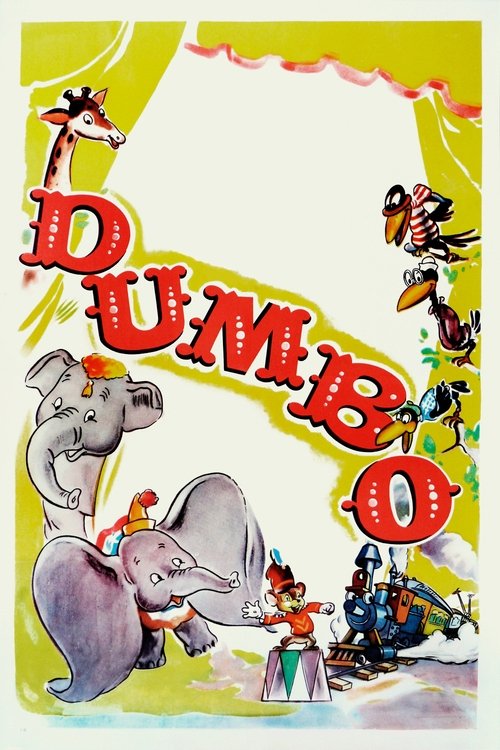
Upon its initial release, Dumbo received widespread acclaim for its animation and story. Variety wrote that Dumbo was "a pleasant little story, plenty of pathos mixed with the large doses of humor, a number of appealing new animal characters, lots of good music, and the usual Disney skillfulness in technique in drawing and use of color." Cecelia Ager, writing in PM, called Dumbo "the nicest, kindest Disney yet. It has the most taste, beauty, compassion, skill, restraint. It marks a return to Disney first principles, the animal kingdom—that happy land where Disney workers turn into artists; where their imagination, playfulness, ingenuity, daring flourish freest; where, in short, they're home."
Bosley Crowther, reviewing for The New York Times, wrote that the film was "the most genial, the most endearing, the most completely precious cartoon feature film ever to emerge from the magical brushes of Walt Disney's wonder-working artists". Time wrote: "Like story and characters, Dumbo's coloring is soft and subdued, free from picture-postcard colors and confusing detail—a significant technical advance. But the charm of Dumbo is that it again brings to life that almost human animal kingdom where Walter Elias Disney is king of them all." Harrison's Reports praised the film as "one of Walt Disney's most delightful offerings. Technically, it is excellent; the color is exceptionally good. The story itself is pleasing; it combines comedy with human appeal. The only fault is that occasionally the action slows down."
Time had originally scheduled to run a story with an appearance cover for "Mammal of the Year" (a play on its annual "Man/Person of the Year" honor) on December 8, 1941. The attack on Pearl Harbor on December 7 of that year had postponed it, and the story was later published on December 29.
Among retrospective reviews, film critic Leonard Maltin stated that Dumbo is his favorite of Disney's films and he described it as "one of Walt Disney's most charming animated films". In 2011, Richard Corliss of Time named the film as one of the 25 all-time best animated films. On the review aggregator website Rotten Tomatoes, Dumbo has an approval rating of 95% based on 44 reviews, with an average score of 8.3/10. The website's consensus reads "Dumbo packs plenty of story into its brief runtime, along with all the warm animation and wonderful music you'd expect from a Disney classic." Metacritic has assigned a weighted score of 96 out of 100 for Dumbo based on 11 reviews, indicating "universal acclaim".
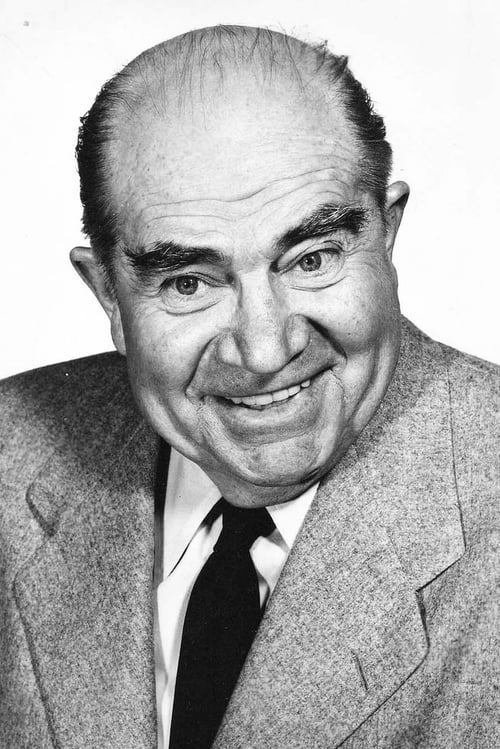
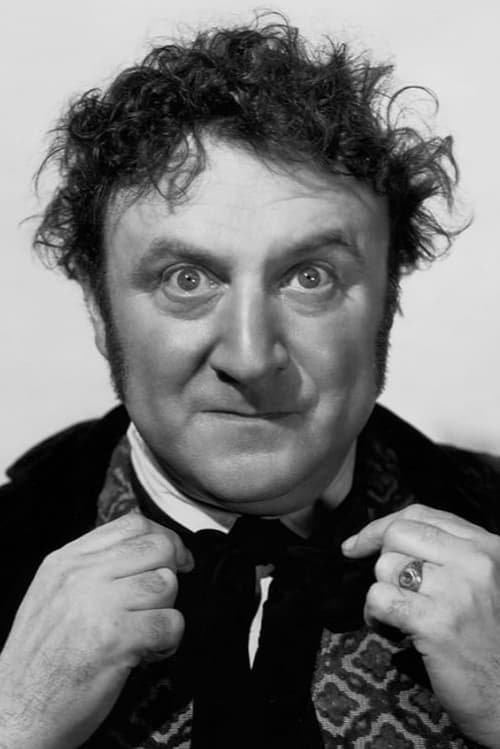
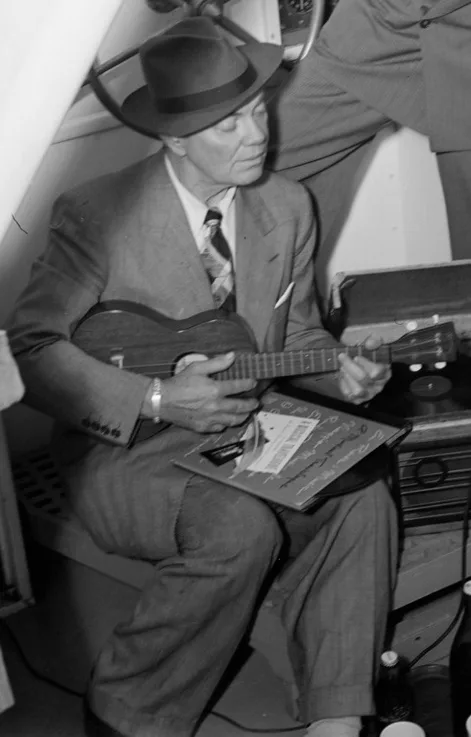
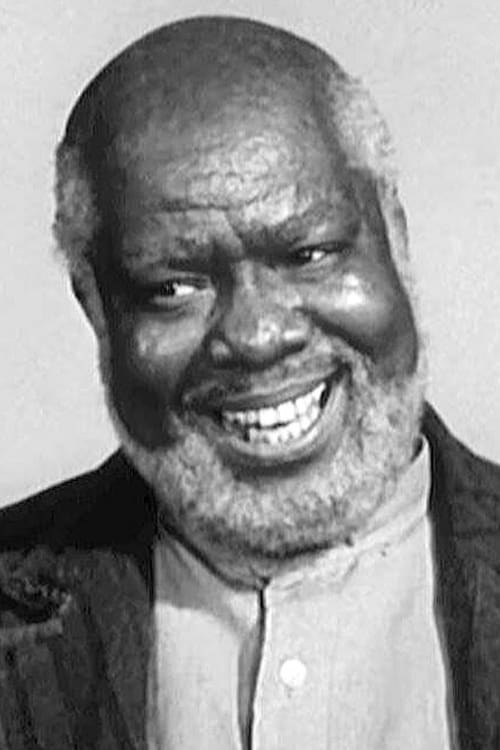
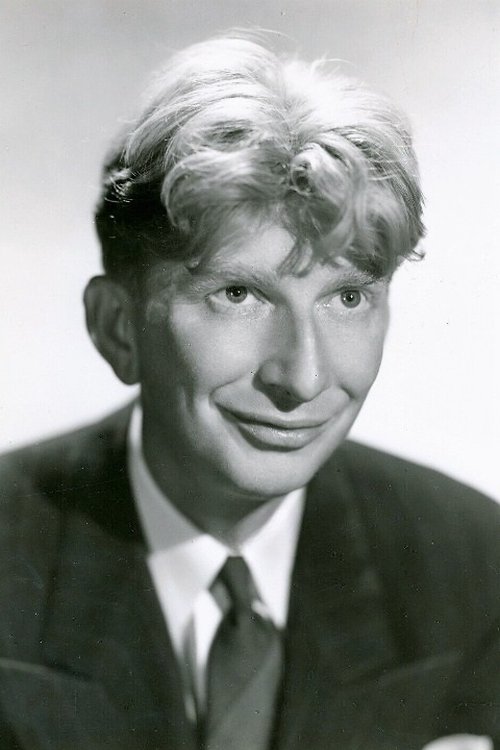
The film has been criticized for its stereotypical depiction of black people. The Encyclopedia of Racism in American Films (2018) notes that "All of the circus laborers are African American, the only time that blacks are seen in any great number in the entire movie." Film scholar Richard Schickel, in his 1968 book The Disney Version, argued that the group of crows in the film were African American stereotypes. The lead crow, voiced by white actor Cliff Edwards in an imitation of Southern African American dialect, was named "Jim Crow", after the pre-Civil-War minstrel character. The term had become a pejorative term for African Americans, and commonly referred to racial segregation laws, and the character's name was changed in the 1950s to "Dandy Crow" in attempt to avoid controversy. The other crows were voiced by African American actors and singers of the popular all-black "Hall Johnson Choir", including actors James Baskett (Song of the South) and Nick Stewart (The Amos 'n' Andy Show). Ward Kimball, the chief animator of the crows, used famous African-American dancers Freddie and Eugene Jackson as live-action reference for the characters. Karina Longworth, exploring the history of Song of the South in her podcast You Must Remember This, discussed the basis of the crows in minstrel show culture, as part of a wider use of minstrel culture by Walt Disney.
The crow characters have been praised by a number of critical sources. Animation historian John Canemaker felt that the crows were amongst the very few characters in the film that sympathize and are empathetic with Dumbo's plight. Being a marginalized ethnic group themselves, they can relate to Dumbo as a fellow outcast. Canemaker further added that the crows "are the most intelligent, the happiest, the freest spirited characters in the whole film." In 1980, film critic Michael Wilmington referred to the crows as "father figures", self-assured individuals who are "obvious parodies of proletarian blacks", but comments, "The crows are the snappiest, liveliest, most together characters in the film. They are tough and generous. They bow down to no one. And, of course, it is they who teach Dumbo to fly."
In 2017, Whoopi Goldberg expressed the desire for the crow characters to be more merchandised by Disney, "because those crows sing the song in Dumbo that everybody remembers." In 2019, Floyd Norman, the first African-American animator hired at Walt Disney Productions during the 1950s, defended the crows in an article entitled Black Crows and Other PC Nonsense.
The crows were not included in the 2019 live-action/CGI remake of Dumbo. In 2019, it was reported that an edited version of the animated film without the crows would be featured on the forthcoming Disney+ service. The movie streams on Disney+ uncensored, with an advisory in the synopsis warning "it may contain outdated cultural depictions." In 2021, the film was one of several that Disney limited to viewers 7 years and older on their service Disney+, citing similarity of the crows' depictions to "racist minstrel shows".