


Jackson DeForest Kelley (January 20, 1920 – June 11, 1999) was an American actor, screenwriter, poet, and singer. He was known for his roles in film and television Westerns and achieved international fame as Dr. Leonard "Bones" McCoy of the USS Enterprise in the television and film series Star Trek (1966–1991).
Contents
Early life
Kelley was born in Toccoa, Georgia. His mother was Clora (née Casey) and his father was Ernest David Kelley, a Baptist minister of Irish ancestry. Kelley was named after pioneering electronics engineer Lee de Forest. He later named his Star Trek character's father "David" after his own father. Kelley had an older brother, Ernest Casey Kelley. Kelley was immersed in his father's mission at his father's church in Conyers, Georgia.
Before the end of his first year at Conyers, Kelley was regularly putting to use his musical talents and often sang solo in morning church services. Kelley wanted to become a doctor like his uncle, but his family could not afford to send him to medical school. He began singing on local radio shows, including an appearance on WSB AM in Atlanta. As a result of Kelley's radio work, he won an engagement with Lou Forbes and his orchestra at the Paramount Theater.
In 1934, the family left Conyers for Decatur, Georgia. He attended the Decatur Boys High School, where he played on the Decatur Bantams baseball team. Kelley also played football and other sports. Before his graduation in 1938, Kelley got a job as a drugstore car hop. He spent his weekends working in the local theaters.
He made his film debut in the chorus of New Moon (1940) and nearly secured the lead role in This Gun for Hire (1942), but Alan Ladd was chosen, instead.
During World War II, Kelley served as an enlisted man in the United States Army Air Forces from March 10, 1943, to January 28, 1946, assigned to the First Motion Picture Unit with the rank of private first class. After an extended stay in Long Beach, California, Kelley decided to pursue an acting career and relocate to Southern California permanently, living for a time with his uncle Casey. He worked as an usher in a local theater to earn enough money for the move. Kelley's mother encouraged her son in his new career goal, but his father disliked the idea. While in California, Kelley was spotted by a Paramount Pictures scout while appearing in a United States Navy training film.
In 1945, Kelley married Carolyn Charlotte Meagher Dowling.
Career
Early roles
Kelley's acting career began with the feature film Fear in the Night in 1947. The low-budget movie was a hit, bringing him to the attention of a national audience and giving Kelley reason to believe he would soon become a star. His next role, in Variety Girl, established him as a leading actor and resulted in the founding of his first fan club. Kelley did not become a leading man, however, and his wife Carolyn and he decided to move to New York City. He found work on stage and on live television, but after three years in New York, the Kelleys returned to Hollywood.
In California, he received a role in an installment of You Are There, anchored by Walter Cronkite. He played ranch owner Bob Kitteridge in the 1949 episode "Legion of Old Timers" of the television series The Lone Ranger. This led to an appearance in Gunfight at the O.K. Corral as Morgan Earp (brother to Burt Lancaster's Wyatt Earp), which in turn led to three movie offers, including Warlock with Henry Fonda and Anthony Quinn.
DeForest Kelley appeared in three episodes of the television series Science Fiction Theatre. In 1957, he had a small role as a Southern officer in Raintree County, a Civil War film directed by Edward Dmytryk, alongside Elizabeth Taylor, Montgomery Clift, and Lee Marvin. He also appeared in leading roles as a U.S. Navy submarine captain in the World War II-set television series, The Silent Service. He appeared in season one, episode five, "The Spearfish Delivers", as Commander Dempsey, and in the first episode of season two, "The Archerfish Spits Straight", as Lieutenant Commander Enright. His future Star Trek co-star Leonard Nimoy also appeared in two different episodes of the series around the same time.
Kelley appeared three times in various portrayals of the gunfight at the O.K. Corral; the first was in 1955, as Ike Clanton in the television series You Are There. Two years later, in the 1957 film Gunfight at the O.K. Corral, he played Morgan Earp. His third appearance was in a third-season Star Trek episode (broadcast originally on October 25, 1968), titled "Spectre of the Gun", this time portraying Tom McLaury.
Kelley, known to colleagues as "Dee", also appeared in episodes of The Donna Reed Show, Perry Mason, Tales of Wells Fargo, Wanted: Dead or Alive, Boots and Saddles, Dick Powell's Zane Grey Theatre, Death Valley Days, Riverboat, The Fugitive, Lawman, Bat Masterson, Gunsmoke, Have Gun – Will Travel, The Millionaire, Rawhide, and Laredo. He appeared in the 1962 episode of Route 66, "1800 Days to Justice" and "The Clover Throne" as Willis. He had a small role in the movie The View from Pompey's Head.
Star Trek
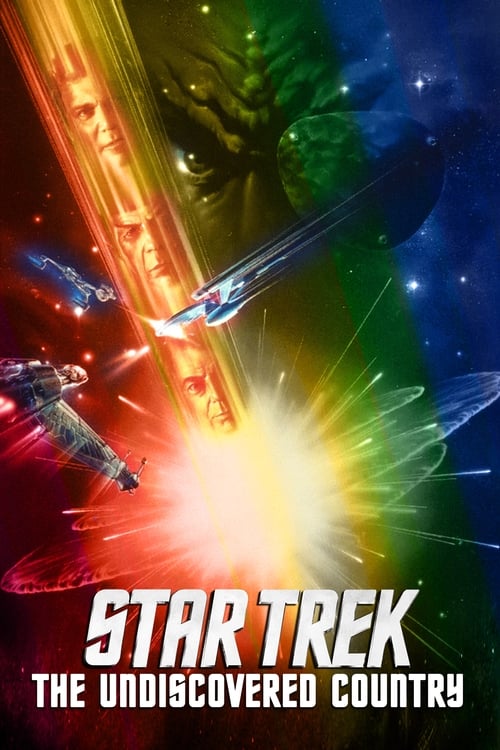
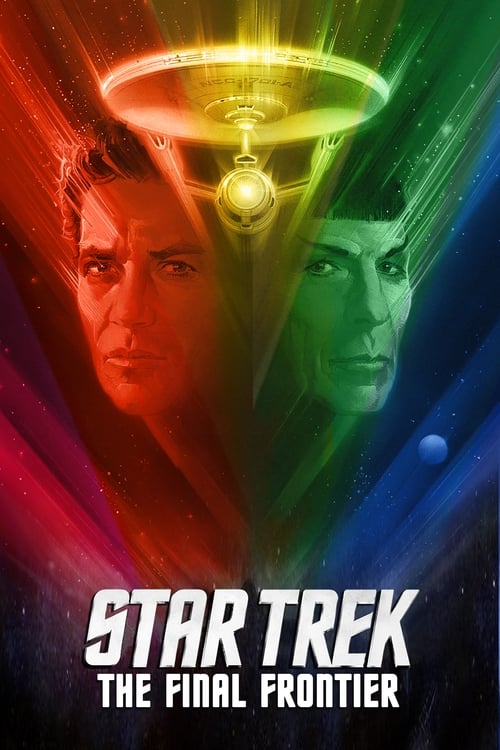
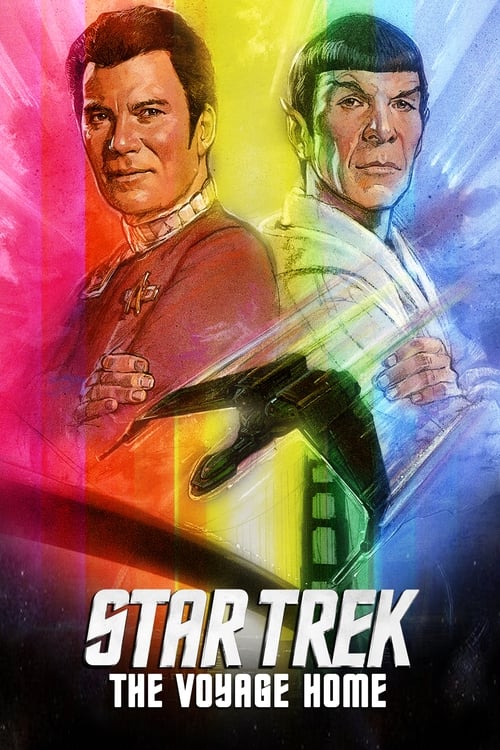
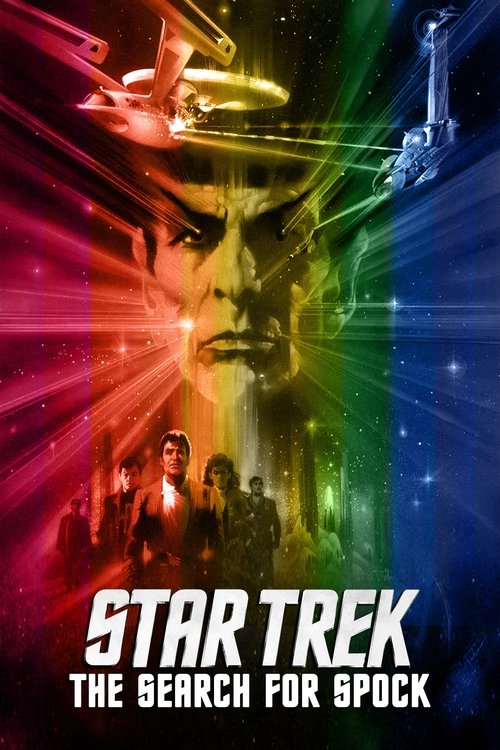
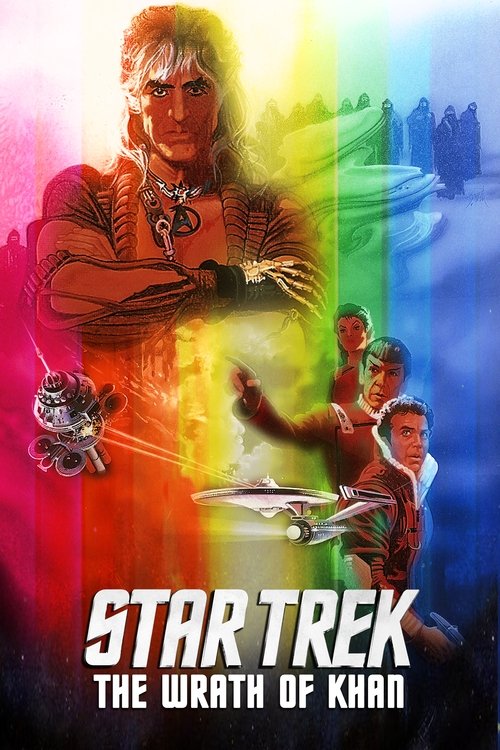
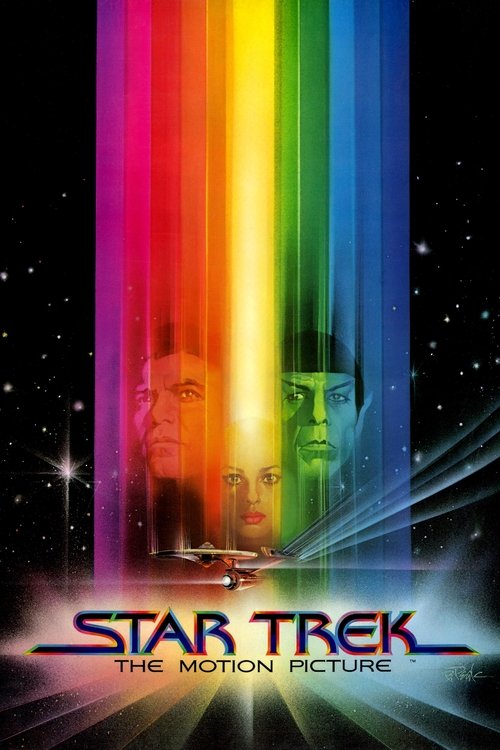
Kelley played Dr. Leonard "Bones" McCoy from 1966 to 1969 in Star Trek (Gene Roddenberry had offered Kelley the role of Spock in 1964, but he refused it). He reprised the character in a voice-over role in the animated Star Trek series (1973–74), and the first six Star Trek motion pictures (1979 to 1991). In 1987, he also had a cameo in "Encounter at Farpoint", the first episode of Star Trek: The Next Generation, as the 137-year-old Admiral Leonard McCoy. Several aspects of Kelley's background became part of McCoy's characterization, including his pronunciation of "nuclear" as "nucular".
Kelley became a good friend of Star Trek castmates William Shatner and Leonard Nimoy, from their first meeting in 1964. During Trek's first season, Kelley's name was listed in the end credits along with the rest of the cast. Only Shatner and Nimoy were listed in the opening credits. As Kelley's role grew in importance during the first season, he received a pay raise to about US$2,500 (equivalent to about $24,100 in 2025) per episode and received third billing starting in the second season after Nimoy. Despite the show's recognition of Kelley as one of its stars, he was frustrated by the greater attention that Shatner received as its lead actor and that Nimoy received because of "Spockamania" among fans.Shy by his own admission, Kelley was the only cast member of the original Star Trek series program never to have written or published an autobiography; the authorized biography From Sawdust to Stardust (2005) was written posthumously by Terry Lee Rioux of Lamar University in Beaumont, Texas. Kelley regarded "The Empath" as his favorite Star Trek television episode.
Later career
After Star Trek was canceled in 1969, Kelley found himself a victim of the very typecasting he had so feared. In 1972, he was cast in the horror film Night of the Lepus. After that, Kelley made occasional appearances on television and in film, but essentially went into de facto retirement, other than playing McCoy in the Star Trek film series. By 1978, he was annually earning up to $50,000 (equivalent to about $247,000 in 2025) from appearances at Star Trek conventions. Like other Star Trek actors, Kelley received little of the enormous profits that the franchise generated for Paramount, until Nimoy, as executive producer, helped arrange for Kelley to be paid $1 million (equivalent to about $2.4M in 2025) for Star Trek VI: The Undiscovered Country (1991), which was his final live-action film appearance. In 1987, he appeared in the first Star Trek: The Next Generation episode, "Encounter at Farpoint", in which he portrayed a 137-year-old Dr. McCoy. For his final film, Kelley provided the voice of Viking 1 in The Brave Little Toaster Goes to Mars. Later in life, Kelley developed an interest in poetry, eventually publishing the first of two books in an unfinished series, The Big Bird's Dream and The Dream Goes On.
In a TLC interview done in the late 1990s, Kelley joked that one of his biggest fears was that the words etched on his gravestone would be "He's dead, Jim". Kelley's obituary in Newsweek began: "We're not even going to try to resist: He's dead, Jim". He stated the year before his death that his legacy would be the many people McCoy had inspired to become doctors; "That's something that very few people can say they've done. I'm proud to say that I have". In 1991, Kelley received a star on the Hollywood Walk of Fame. In 1999, shortly before he died, he was awarded a Golden Boot award for his contribution to the genre of Western television and movies.
Personal life
Kelley met actress Carolyn Dowling in 1942 when both were actors in a play. They married in 1945, exchanging two 25-cent Indian rings, and remained married for nearly 55 years until Kelley's death, living in a one-story ranch house in Sherman Oaks, California. The couple, who had no children, "were the most loving couple you've ever seen in your life," said Star Trek's Majel Barrett. The couple were also famous animal lovers. While they had no children, they did adopt some animals, most famously Myrtle the Turtle and a half Schnauzer/half Poodle named Cheers.
Health and death
Kelley was diagnosed with stomach cancer in 1997, from which he died on June 11, 1999 at the age of 79 attended by his wife at the Motion Picture and Television Country House and Hospital in Woodland Hills, Los Angeles. His remains were cremated and the ashes were spread over the Pacific Ocean.