Deborah Ann Harry (born Angela Trimble; July 1, 1945) is an American singer, songwriter and actress, best known as the lead vocalist of the band Blondie. Often referred to as the "Queen of New Wave", she achieved significant commercial success with the group. Between 1979 and 1981, four of her songs with Blondie reached No. 1 on the U.S. Billboard Hot 100.
Born in Miami, Florida, Harry was adopted as an infant and raised in Hawthorne, New Jersey. After graduating from college, she worked various jobs—including as a dancer, a Playboy Bunny, and a secretary at the BBC in New York—before pursuing music full-time. In 1974, she co-formed Blondie in New York City. The band released its eponymous debut studio album in 1976, followed by three more studio albums by 1979; among these was Parallel Lines, which spawned six singles, including the hit "Heart of Glass". Their fifth studio album, Autoamerican (1980), produced further hits with a cover of "The Tide Is High" and "Rapture", the latter of which is considered the first rap song to chart at number one in the United States.
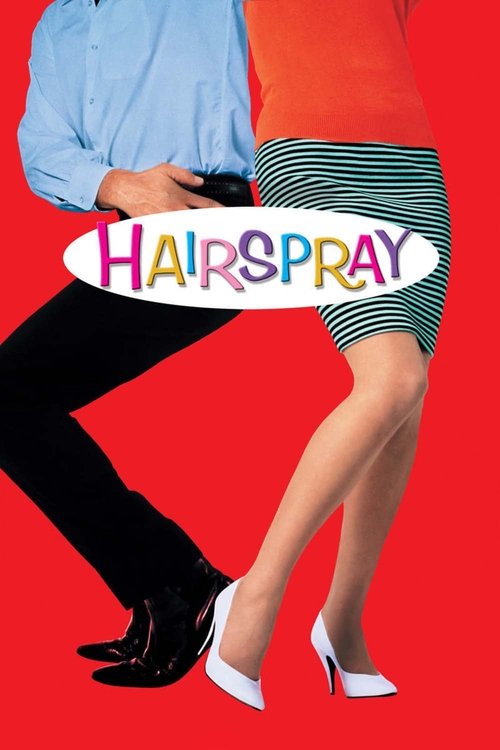
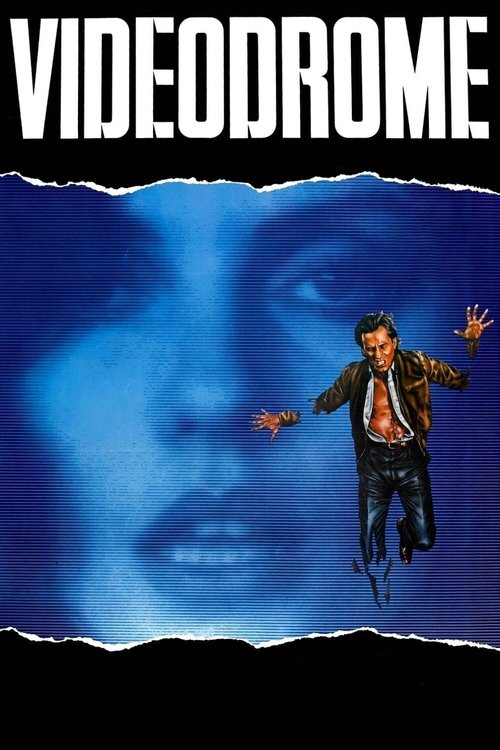
Harry released her debut solo studio album, KooKoo, in 1981. During a Blondie hiatus, she embarked on an acting career, appearing in lead roles in the neo-noir Union City (1980) and in David Cronenberg's body horror film Videodrome (1983). She released her second solo studio album, 1986's Rockbird, and starred in John Waters's cult dance film Hairspray (1988). She released two more solo albums between then and 1993, before returning to film with roles in a John Carpenter-directed segment of the horror film Body Bags (1993), and in the drama Heavy (1995).
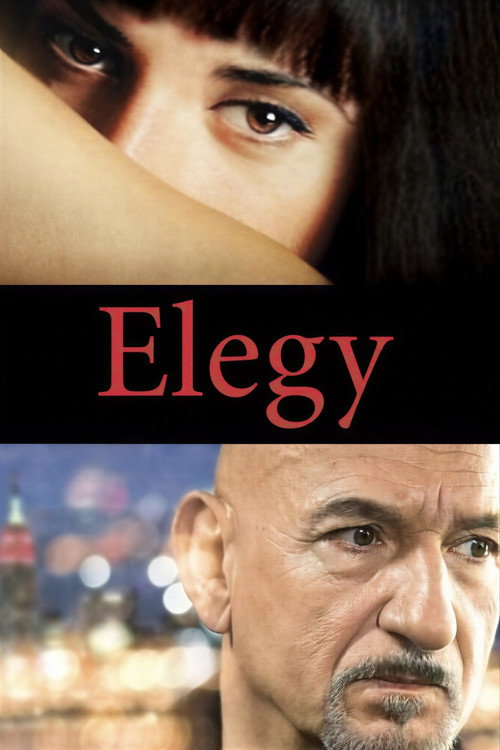
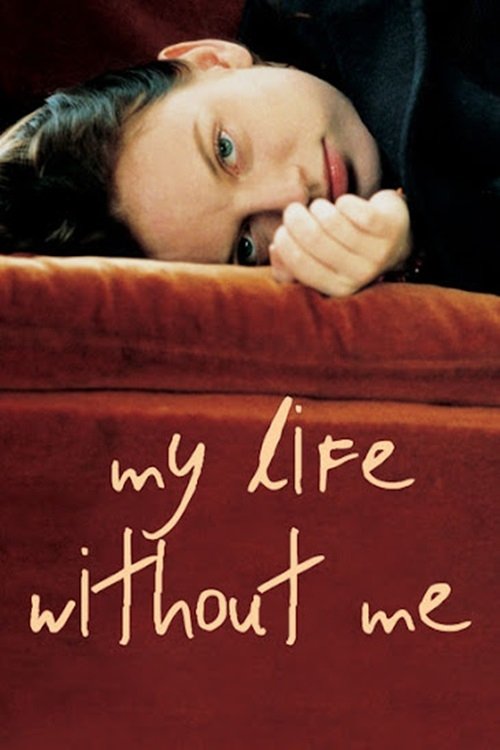
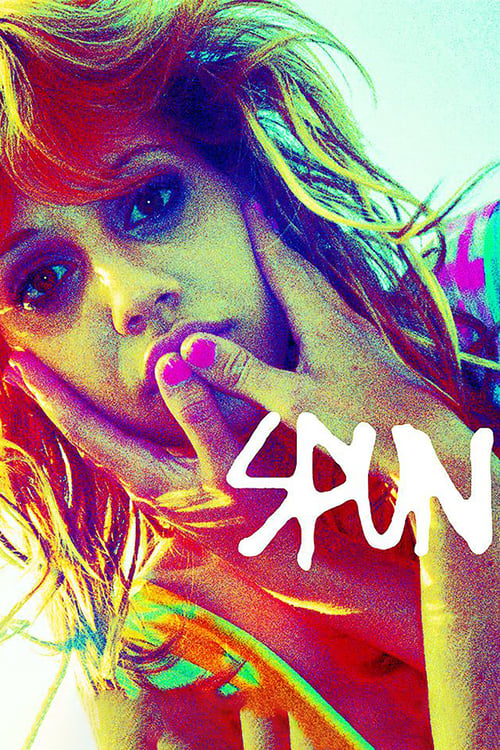
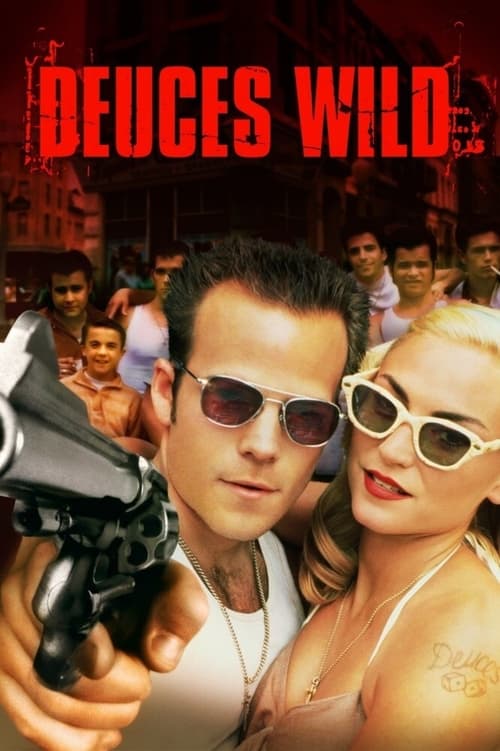
Blondie reunited in the late 1990s, releasing No Exit (1999) and The Curse of Blondie (2003). Throughout the 2000s, Harry continued to appear in independent films, including Deuces Wild (2002), My Life Without Me (2003), Spun (2003), and Elegy (2008). Returning to the studio with Blondie, she fronted the group's subsequent albums, Panic of Girls (2011) and Ghosts of Download (2014). The band's eleventh studio album, Pollinator (2017), charted at number 4 in the United Kingdom. In late 2026, Blondie announced High Noon, their first new studio album in nine years. Scheduled for release in early 2027, the album features collaboration with Johnny Marr and Glen Matlock and was preceded by the single "Spectral Eyes".
Contents
Early life
Harry was born Angela Trimble on July 1, 1945, at the Jackson Memorial Hospital in Miami, Florida. At three months old, she was adopted and renamed Deborah Ann Harry by Catherine (née Peters) and Richard Harry, of Hawthorne, New Jersey, who later became gift shop proprietors in Cooperstown, New York. She is of Scottish ancestry, with her biological parents' surnames being Trimble and Mackenzie. Harry learned of her adoption at age four. Though she initially decided against tracing her lineage, she eventually located her birth mother—a concert pianist—in the late 1980s, though her biological mother chose not to establish a relationship with her. In her memoir, Harry recalls being a tomboy who spent much of her childhood playing in the woods adjacent to her home. During these formative years, she also sang in a church choir and made her stage debut in a sixth-grade school performance.
Harry attended Hawthorne High School, where she was voted "Best Looking" and graduated in 1963. She then earned an Associate of Arts degree from Centenary College in Hackettstown, New Jersey, in 1965. Moving to New York City in the late 1960s, she worked as a secretary at the BBC Radio office there for one year before pursuing music. During this pre-fame period, she also worked as a waitress at Max's Kansas City, a go-go dancer at a discothèque in Union City, New Jersey, and a Playboy Bunny.
Career
1966–1975: Early bands and formation of Blondie
In the late 1960s, Harry began her musical career as a vocalist for the folk rock group The Wind in the Willows, which released an eponymous studio album on Capitol Records in 1968.
In 1973, Harry joined the Stilettoes alongside Elda Gentile, Billy O'Connor, Fred Smith, Rosie Ross, and later, Amanda Jones. The band soon added guitarist Chris Stein, who also became her long-term partner.
In 1974, Harry and Stein left the Stilettoes along with the band's bassist and drummer to form Angel and the Snake, which also featured Tish and Snooky Bellomo. Shortly thereafter, they renamed the group Blondie, a title derived from the catcalls men frequently directed at Harry after she bleached her hair blonde. The band quickly became regulars on the New York City punk scene, playing frequent gigs at Max's Kansas City and CBGB.
1976–1981: Global success
With her striking visual presence, daring choice of stage clothing, and distinctive two-tone bleached-blonde hair, Harry quickly established herself as a punk and new wave icon.
Blondie released their self-titled debut album in 1976; it peaked at No. 14 in Australia and, following a later reissue in 1979, reached No. 75 in the United Kingdom. While their second album, Plastic Letters (1978), garnered moderate success outside the United States, it was their third studio album, Parallel Lines (1978), that became a worldwide phenomenon and catapulted the group to international stardom. The album featured the global hit single "Heart of Glass", a track incorporating disco elements that reached No. 1 in the U.S. and sold nearly two million copies. The single also topped the charts at No. 1 in the UK, where it became the second highest-selling single of 1979.
In June 1979, Blondie was featured on the cover of Rolling Stone. Harry's persona, combining cool sexuality with streetwise style, became so closely associated with the group's public identity that many conflated her stage persona with the band itself, believing "Blondie" was the singer's name. This distinction was underscored by the band's famous "Blondie is a group" button campaign later that year. The band's commercial success continued that September with the release of the platinum-certified album Eat to the Beat (UK No. 1, US No. 17).
.
In August 1980, Harry was photographed by pop artist Andy Warhol at the Factory for a series of custom artworks. Warhol ultimately produced four distinct silkscreen portraits of Harry in varying color schemes. Chris Stein was also present to document the session, capturing a collection of behind-the-scenes photographs that were later exhibited in London in 2013.
The band's fourth studio album, Autoamerican (UK No. 3, US No. 7), was released in 1980. That same year, Blondie achieved a string of chart-topping successes, scoring No. 1 hits with "Atomic" from Eat to the Beat (UK No. 1) and "Call Me", the theme from the film American Gigolo (US and UK No. 1). Their chart dominance continued with the primary singles from Autoamerican: a reggae-infused cover of "The Tide Is High" (US and UK No. 1) and the innovative genre-blending track "Rapture" (US No. 1).
1981–1996: Solo work and acting
In 1981, Harry issued a press release to clarify that her name was not "Debbie Blondie" or "Debbie Harry" but rather Deborah Harry. However, she later described her public persona in the band as explicitly being named "Blondie", a sentiment she reflected on in the group's 1999 No Exit tour book:
Hi, it's Deb. You know, when I woke up this morning I had a realization about myself. I was always Blondie. People always called me Blondie, ever since I was a little kid. What I realized is that at some point I became Dirty Harry. I couldn't be Blondie anymore, so I became Dirty Harry.
Harry launched her solo career with the debut album KooKoo (1981). Produced by Nile Rodgers and Bernard Edwards of Chic, the album peaked at No. 25 in the U.S. and No. 6 in the UK, earning a gold certification in the U.S. and silver in the UK. The album's distinctive cover art, designed by Swiss artist H.R. Giger, featured an image of Harry's face seemingly pierced by large metal skewers; the unorthodox image generated immediate controversy, prompting several major retail chains to refuse to stock the record. Giger also directed the music video for the album's lead single, "Backfired", which reached No. 43 on the Billboard Hot 100, No. 29 on the Hot Dance Club Songs chart, and No. 32 on the UK Singles Chart. "The Jam Was Moving" followed as the second single, peaking at No. 82 in the U.S. That same year, Harry appeared in the independent feature film Downtown 81, starring Jean-Michel Basquiat, portraying a magical bag lady who transforms into a fairy princess upon kissing Basquiat's character.
After a year-long hiatus, Blondie regrouped to release their sixth studio album, The Hunter (1982). The album was significantly less successful than their previous records, and its accompanying world tour was cut short due to slow ticket sales. Concurrently, Stein fell seriously ill with the rare autoimmune disease pemphigus, prompting Harry to put her solo career on hold to act as his primary caretaker. This health crisis, combined with declining commercial momentum and mounting internal friction, led the band to officially dismantle later that year.
In June 1982, Harry contributed backing vocals to the Gun Club's second studio album, Miami, under the pseudonym "D.H. Lawrence Jr." Concurrently, Chris Stein produced the album and was credited with playing "bongos" as well as executing the "cover photos/design". The Gun Club's frontman, Jeffrey Lee Pierce, was an ardent fan who had previously emulated Harry's hairstyle and founded the West Coast Blondie Fan Club before befriending the band members in New York City.
1997–2007: Blondie reformation and solo output
In 1997, Blondie officially reconstituted for the first time in 15 years. The four core original members (Harry, Chris Stein, Clem Burke, and Jimmy Destri) initiated recording sessions for what would become the group's seventh studio album, No Exit (1999). The album's lead single, "Maria", debuted at No. 1 on the UK Singles Chart, securing Blondie their sixth UK number-one hit. "Maria" went on to reach No. 1 in 14 countries, the top ten on the U.S. Billboard Dance Club Songs chart, and the top 20 on the Adult Top 40 chart. Driven by this international success, No Exit debuted at No. 3 in the UK and No. 17 in the U.S. on the Billboard 200.
In 1998, a techno cover of Stan Jones' "Ghost Riders in the Sky" performed by Harry was featured on the soundtrack to the film Three Businessmen and made available for download on her official website. She continued her extensive session work into the early 2000s, appearing on the 2000 Andrea Griminelli compilation Cinema Italiano, where she sang "You'll Come to Me" (adapted from the main theme of Amarcord) and "When Love Comes By" (from Il Postino). The following year, Harry contributed vocals to Bill Ware's album Vibes 4 on the track "Me and You", and performed "Weird Nightmare" on former Police guitarist Andy Summers' Charles Mingus tribute album, Peggy's Blue Skylight. She also recorded a rendition of "Stormy Weather" for a Harold Arlen tribute project. In May 2002, she accompanied the Jazz Passengers and the BBC Concert Orchestra at London's Barbican Centre for a live retrospective of her jazz repertoire. Her guest sessions concluded in 2003 with vocal features on the DJ duo Blow-Up's track "Uncontrollable Love" and a recording of "Waltzing Matilda" for Dan Zanes and Friends' album House Party. Concurrently, Blondie returned to the studio to release their eighth studio album, The Curse of Blondie (2003).
In 2006, Harry began recording her fifth solo studio album, Necessary Evil (2007), in New York City. She collaborated with the production duo Super Buddha, who had previously remixed Blondie's "In the Flesh" for the group's 2005 Sound and Vision compilation. The first material to surface from these sessions was a hip-hop track titled "Dirty and Deep", in which Harry spoke out against rapper Lil' Kim's incarceration. Throughout 2006, several additional tracks were previewed on her official Myspace page, including "Charm Alarm", "Deep End", "Love with a Vengeance", "School for Scandal", and the title track, alongside two duets recorded with Miss Guy of the Toilet Böys: "God Save New York" and "New York Groove". In May 2007, a streaming version of the album's lead single, "Two Times Blue", was added to her Myspace page, followed by an official digital download release via her website on June 6, 2007.
2008–present: Further musical endeavors
Harry contributed to Fall Out Boy's 2008 studio album Folie à Deux, singing on the chorus of the album's closer, "West Coast Smoker". In 2010, she began a series of recordings featuring solo tracks and duets with Nick Cave and other contemporary artists for The Jeffrey Lee Pierce Sessions Project. Returning to her work with the group, Blondie released their ninth studio album, Panic of Girls, in 2011.
In April 2014, Harry made a guest appearance with Arcade Fire at the Coachella Valley Music and Arts Festival, performing a duet version of "Heart of Glass". That same month, Blondie released their tenth studio album, Ghosts of Download. In March 2015, Harry held a solo concert residency spanning several weeks at the Café Carlyle in New York City. Later that year, she and Chris Stein made a guest appearance alongside the Gregory Brothers in an episode of the online series Songify the News; they collaborated with the group again in 2016, appearing as mock moderators parodying the 2016 United States presidential election debates. Harry returned to the Coachella festival stage with Blondie in 2023, performing a guest-augmented set featuring Nile Rodgers.
Blondie's eleventh studio album, Pollinator, was released in May 2017 and debuted at No. 4 on the UK Albums Chart. In October 2019, Harry published her comprehensive memoir, Face It, through Dey Street Books. In 2020, she made a guest appearance as a manifestation of the main character's musical conscience in the third episode of the romantic comedy series High Fidelity. In 2023, Rolling Stone ranked Harry at number 168 on its list of the 200 Greatest Singers of All Time. In late 2026, Blondie announced High Noon, their twelfth studio album and first release of new material in nine years; scheduled for international release on February 27, 2026, via BMG, the album was preceded by the lead single "Spectral Eyes".
In July 2023, Harry teamed with alternative rock band The Dandy Warhols and electronic musician Nala to record the collaborative single "IWNSLY" (an acronym for "I Will Never Stop Loving You"). A full dark love ballad version of the track, featuring Harry's prominent, reverb-drenched lead vocals on the choruses, was subsequently issued as a single in March 2024 to promote The Dandy Warhols' twelfth studio album, Rockmaker.
On May 8, 2026, it was announced that Harry would star alongside Pamela Anderson in the upcoming comedy film Maitreya.
Public image
During the rise of Blondie in the late 1970s, Harry established a highly distinct public persona that blended cool sexuality with streetwise, punk rock style. Her signature bleached-blonde hair, two-tone roots, and avant-garde stage outfits became defining visuals of the new wave era. Harry's visual presence was so dominant that the public frequently conflated her stage persona with the band itself, mistakenly believing "Blondie" was the singer's individual name; this prompted the band's famous 1979 "Blondie is a group" button campaign to reinforce their identity as an ensemble.
In August 1980, pop artist Andy Warhol photographed Harry at the Factory for a series of custom artworks, ultimately producing four distinct silkscreen portraits of her in varying color schemes. In July 1985, she further bridged the gap between punk rock and digital technology by collaborating with Warhol for the live public launch of the Amiga 1000 personal computer at Lincoln Center. Music journalists have noted that Harry successfully subverted traditional female pop star archetypes by weaponizing her bombshell aesthetic with an aggressive, detached punk delivery, heavily influencing the formatting of modern music media and visual storytelling.
Legacy and influence
Widely referred to by music publications as the "Queen of New Wave", Harry is recognized as one of the most influential frontwomen in rock history. With Blondie, she achieved immense commercial success, scoring four number-one singles on the U.S. Billboard Hot 100 chart between 1979 and 1981. Her work on the 1980 single "Rapture" secured a landmark cultural crossover as the first rap-oriented song to top the U.S. charts, earning praise from hip-hop pioneers like Grandmaster Flash for mainstreaming the emerging Bronx subculture.
Harry's vocal style, fashion choices, and fierce independence paved the way for generations of alternative, punk, and mainstream pop artists. Musicians such as Madonna, Lady Gaga, Miley Cyrus, Hayley Williams, Charli XCX, Cyndi Lauper, Gwen Stefani of No Doubt, and Shirley Manson of Garbage have all cited Harry as a foundational blueprint for navigating the music industry as a female frontwoman.
Her crossover appeal has also been recognized by a younger generation of performers; artists such as Billie Eilish, and St. Vincent have performed her tracks or credited her style with shaping their visual aesthetics. In 2023, Rolling Stone ranked Harry at number 168 on its list of the 200 Greatest Singers of All Time, noting that her vocal delivery effortlessly bridged the gap between raw street grit and refined pop brilliance. Her enduring cultural impact is further underscored by her continued inclusion in contemporary media, such as her guest appearance in the series High Fidelity, and her ongoing recording career with Blondie's twelfth studio album, High Noon.
Personal life
Harry had a 13-year relationship with Blondie guitarist Chris Stein. In 1982, Stein was diagnosed with pemphigus vulgaris, a rare autoimmune disease of the skin, and Harry put her career on hold to care for him during his recovery. During this period, the couple faced severe financial difficulties after the IRS seized their assets over unpaid taxes, and both struggled with heroin addiction. Reflecting on the bohemian 1960s and 1970s Manhattan art scene, Harry recalled in a 1993 interview with Q that "drugs [were] chic" and that "everybody in New York was fooling around with drugs." In a 2019 retrospective with The Guardian, she described her subsequent heroin use as a "necessary evil" and, "to some degree," a form of "self-medicating" through a "rough, depressing time of life, but then it outlived its benefits."
Harry and Stein ended their romantic relationship in February 1987, due to a combination of growing apart and Harry's decision to discontinue methadone treatment while Stein remained on it. Despite their separation, they maintained a close personal and professional friendship, and Harry subsequently became the godmother to Stein's two daughters.
Harry was in a brief romantic relationship with magician Penn Jillette from 1995 to 1996; following their separation, the two remained close friends.
In 2014, Harry confirmed past relationships with women, noting to the Daily Mail that she found women to be "more sensual" but had relatively little experience. She later elaborated on her sexuality in a 2017 interview, stating, "My bisexual days have gone by actually. I have great affection for some of my female friends but I think maybe when I was younger it might have been a little more hormonal and our hormones change." Speaking to MOJO magazine that same year, Harry clarified that she had only experimented a few times later in life, adding, "but I like men, I'm a fool," and confirming that her romantic attractions are directed toward men.
In her 2019 memoir, Face It, Harry detailed having been raped at knifepoint during a burglary of the New York City apartment she shared with Chris Stein in the 1970s. She also wrote that during the early 1970s, she narrowly escaped an abduction attempt in Manhattan by a man she later identified as serial killer Ted Bundy. Harry's description of the vehicle—a white car with its interior stripped bare and missing the passenger door handle—deviated from the tan Volkswagen Beetle Bundy was known to drive. Furthermore, biographers and authorities noted that Bundy was documented living in the Pacific Northwest at the time and did not travel to the East Coast or Florida until late 1977. Ann Rule, author of the Bundy biography The Stranger Beside Me, noted that unverified claims of narrow escapes from Bundy are relatively common among women who experienced late-night vehicular scares during that era.
Philanthropy
In a 2011 interview, Harry stated that "After witnessing Elton John and his tireless efforts against HIV/AIDS," she had been inspired to make philanthropy a central focus of her career. She remarked: "These things are important to my life now. I have the privilege of being able to get involved, so I do. I applaud people like Elton John, who have used their position to do so much good." Beyond HIV/AIDS advocacy, Harry's philanthropic work extends to supporting organizations dedicated to fighting cancer and endometriosis.
Discography
Studio albums
KooKoo (1981)
Rockbird (1986)
Def, Dumb & Blonde (1989)
Debravation (1993)
Necessary Evil (2007)
Compilations and other albums
Once More into the Bleach (1988, Debbie Harry and Blondie)
The Complete Picture: The Very Best of Deborah Harry and Blondie (1991, Deborah Harry and Blondie)
Deborah Harry Collection (1998)
Most of All: The Best of Deborah Harry (1999)