Critical response
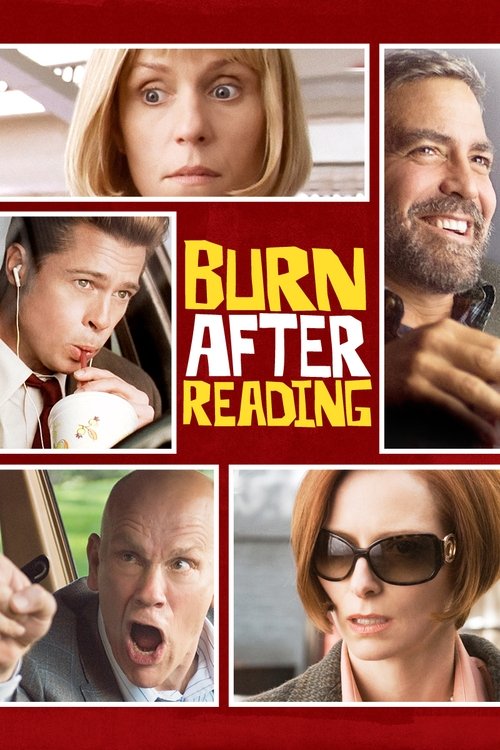
On Rotten Tomatoes, the film holds an approval rating of 78% based on 248 reviews, and an average rating of 6.90/10. The website's critical consensus states, "With Burn After Reading, the Coen Brothers have crafted another clever comedy/thriller with an outlandish plot and memorable characters." Metacritic assigned the film a weighted average score of 63 out of 100 based on 37 critics, indicating "generally favorable" reviews.
The Times, which gave the film four out of five stars, compared it to the Coen films Raising Arizona and Fargo in its "savagely comic taste for creative violence and a slightly mocking eye for detail." The review said that the attention to detail was so impeccable that "the Coens can even raise a laugh with something as simple as a well-placed photograph of Vladimir Putin", and complimented Carter Burwell's musical score, which it described as "the most paranoid piece of film music since Quincy Jones's neurotic soundtrack for The Anderson Tapes."
Andrew Pulver, film reviewer for The Guardian, awarded the film four out of five stars, calling it "a tightly wound, slickly plotted spy comedy that couldn't be in bigger contrast to the Coens' last film, the bloodsoaked, brooding No Country for Old Men." Pulver said that the film "may also go down as arguably the Coens' happiest engagement with the demands of the Hollywood A-list."
The Hollywood Reporter reviewer Kirk Honeycutt complimented the actors for making fun of their screen personae, and said that the Coen brothers "... have taken some of cinema's top and most expensive actors and chucked them into Looney Tunes roles in a thriller." Honeycutt also said "it takes awhile to adjust to the rhythms and subversive humor of Burn because this is really an anti-spy thriller in which nothing is at stake, no one acts with intelligence and everything ends badly."
Todd McCarthy of Variety wrote a strongly negative review, saying that the film "tries to mate sex farce with a satire of a paranoid political thriller, with arch and ungainly results." McCarthy said the talented cast was forced to act like cartoon characters, described Carter Burwell's score as "uncustomarily overbearing" and said the dialogue is "dialed up to an almost grotesquely exaggerated extent, making for a film that feels misjudged from the opening scene and thereafter only occasionally hits the right note."
Time film critic Richard Corliss wrote that he did not understand what the Coen brothers were attempting with the film: "I have the sinking feeling I've made Burn After Reading sound funnier than it is. The movie's glacial affectlessness, its remove from all these subpar schemers, left me cold and perplexed."
David Denby of The New Yorker said that the film had several funny scenes, but that they "are stifled by a farce plot so bleak and unfunny that it freezes your responses after about forty-five minutes." Denby criticized the film's pattern of violence in which innocent people die quickly and the guilty go unpunished. "These people don't mean much to [the Coen brothers]; it's hardly a surprise that they don't mean much to us, either. ... Even black comedy requires that the filmmakers love someone, and the mock cruelties in Burn After Reading come off as a case of terminal misanthropy."
Leah Rozen of People said that the characters' "unrelenting dumbness and dim-witted behavior is at first amusing and enjoyable but eventually grows wearing." But Rozen said that the performances are a redeeming factor, especially that of Pitt, whom she described as a standout who "manages simultaneously to be delightfully broad and smartly nuanced."
Le Monde noticed the film's "particularly bitter image of the U.S. The alliance of political incompetence (the CIA), the cult of appearance (the gym club) and vulgar stupidity (everyone) is the target of a settling of scores" where the comedy "sprouts from a well of bitterness."
Almost a decade later, The New Republic senior editor Jeet Heer argued that the film was "singularly prophetic of the Trump era" anticipating "the Trump campaign's collusion with Russian operatives" and "the wider culture of deceit that made Donald Trump's rise possible. More than just a satire on espionage, the movie is scathing critique of modern America as a superficial, post-political society where cheating of all sorts comes all too easily....The most disturbing thing about Burn After Reading, though, is how it resembles every day in Trump's Washington, where the line between blundering idiocy and malevolent conspiracy is increasingly blurred."
In July 2025, it was one of the films voted for the "Readers' Choice" edition of The New York Times' list of "The 100 Best Movies of the 21st Century," finishing at number 276.





.jpg?width=400)