


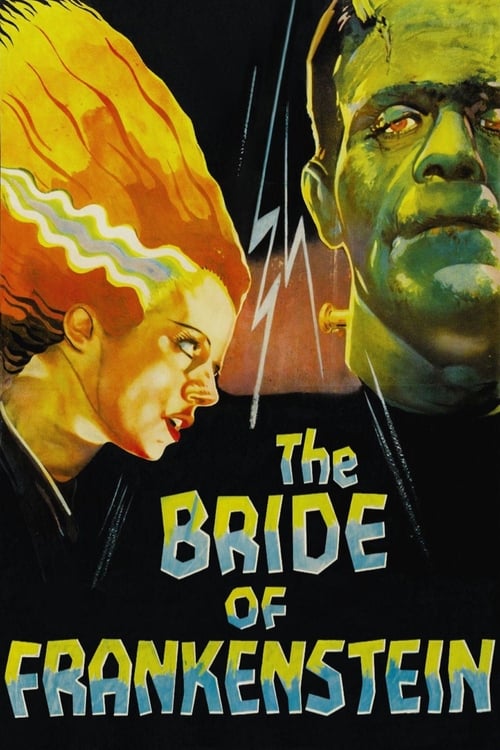
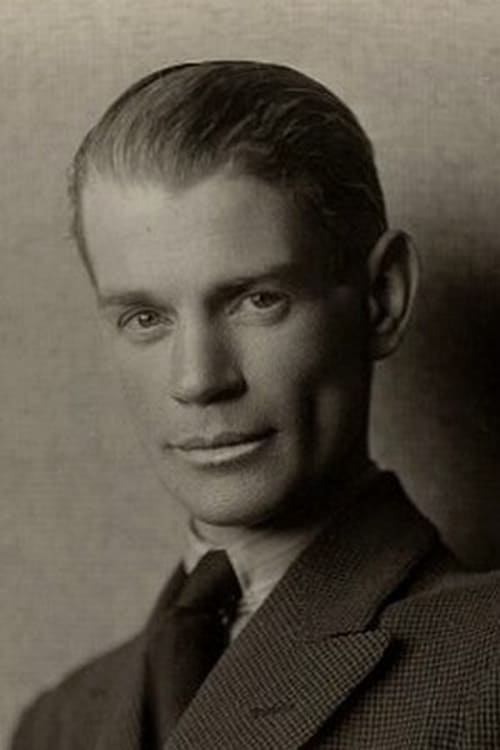

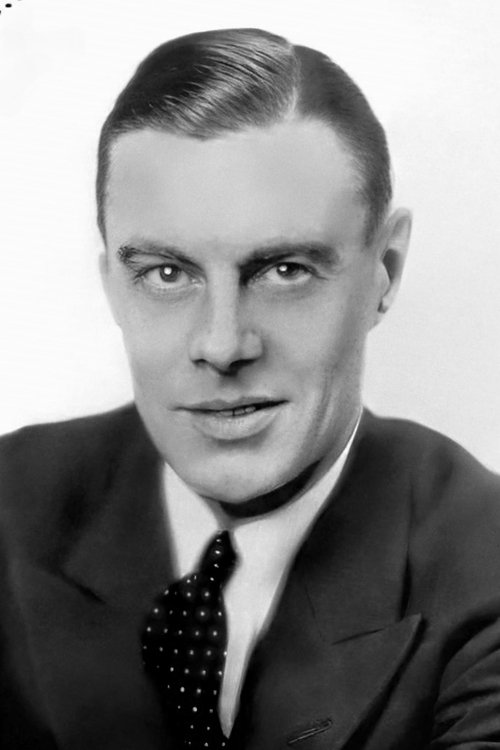
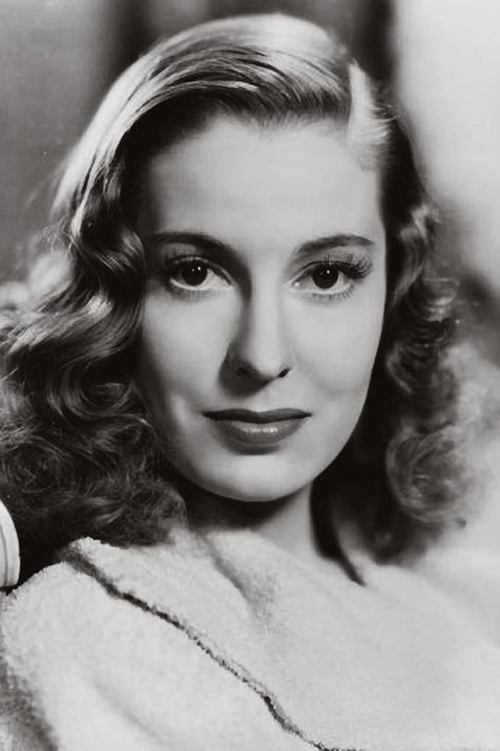
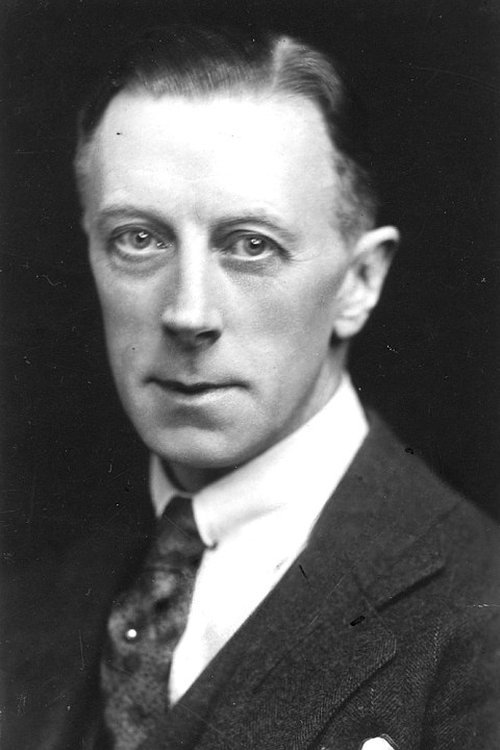
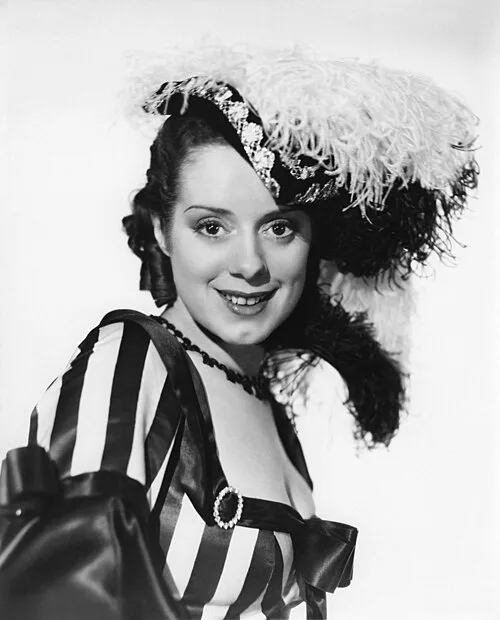
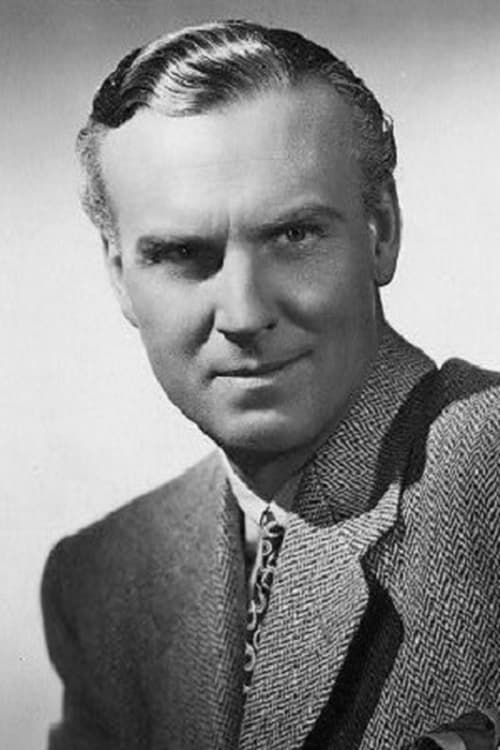
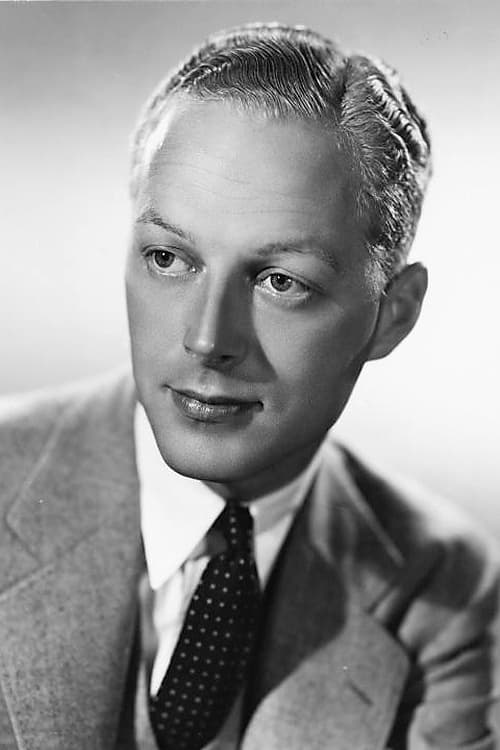


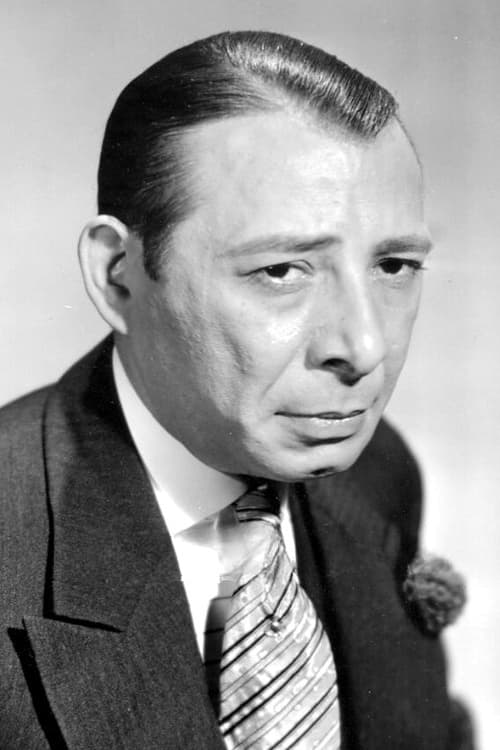
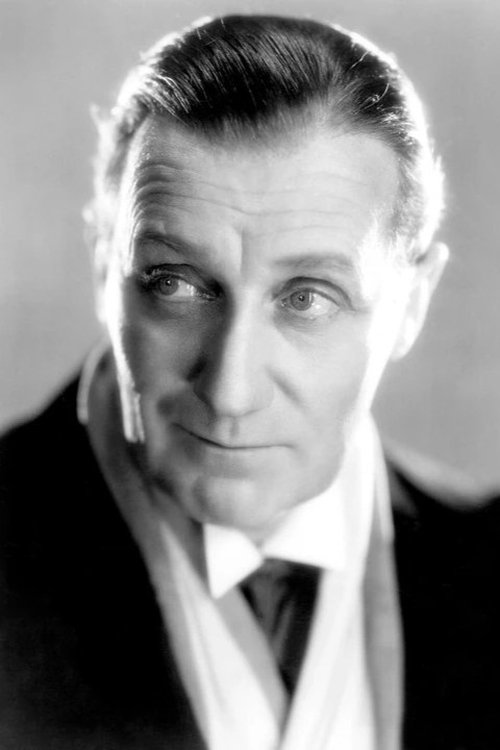
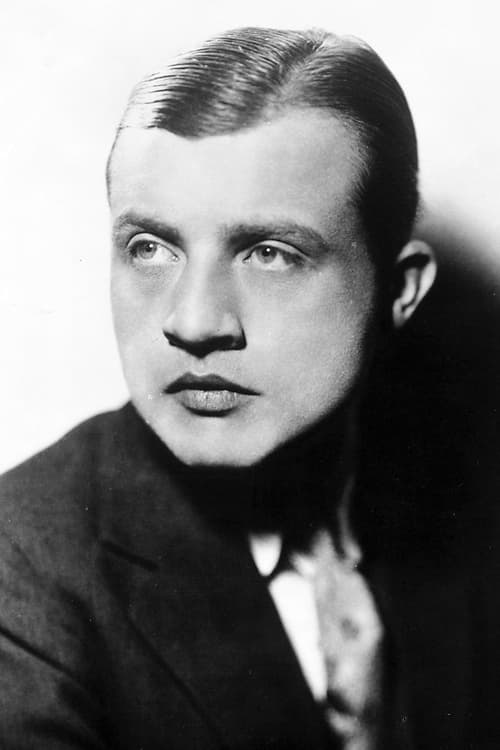
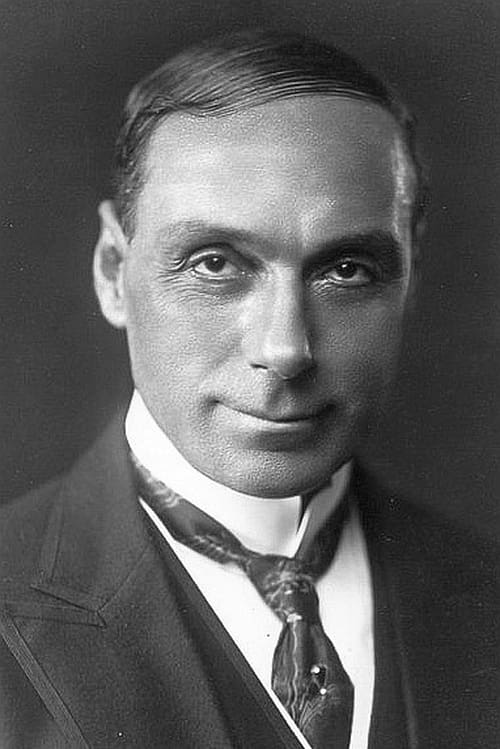
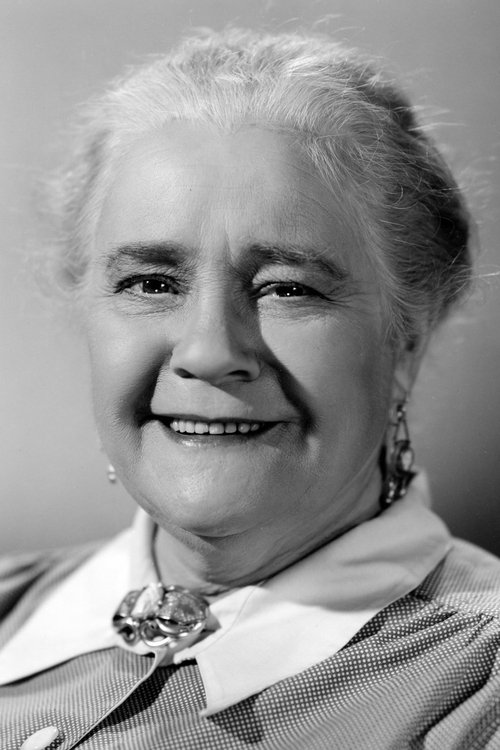


Bride of Frankenstein is a 1935 American horror film as well as the first sequel to Universal Pictures' 1931 film Frankenstein. As with the first film, Bride was directed by James Whale, starring Boris Karloff as the Monster and Colin Clive as Dr. Frankenstein. Additionally, it features Elsa Lanchester in the dual role of Mary Shelley and the bride, Ernest Thesiger as Doctor Septimus Pretorius, and Oliver Peters Heggie as the blind hermit.
Taking place immediately after the events of the earlier film, it is rooted in a subplot of the original Mary Shelley novel, Frankenstein; or, The Modern Prometheus (1818). Bride follows a chastened Henry Frankenstein as he attempts to abandon his plans to create life, only to be tempted and finally blackmailed by his old mentor Dr. Pretorius, along with threats from the Monster, into constructing a bride for the Monster.
Preparation to film a sequel to Frankenstein began shortly after its premiere, but script problems delayed the project. Principal photography on Bride of Frankenstein finally commenced in January 1935, with creative personnel from the original returning both in front of and behind the camera. The film was released to critical and popular acclaim, although it encountered difficulties with some state and national censorship boards.
Since its release Bride of Frankenstein's reputation has grown, and it is now frequently considered one of the greatest sequels ever made. Many critics consider it to be an improvement on the original, and have hailed it as Whale's masterpiece. In 1998, it was selected by the Library of Congress for preservation in the National Film Registry, having been deemed "culturally, historically or aesthetically significant".
Contents
Plot
In a castle on a stormy night, Percy Bysshe Shelley and Lord Byron praise Mary Shelley for her story of Frankenstein and his Monster. She reminds them that her intention for writing the novel was to impart a moral lesson, the consequences of a mortal man who tries to play God, then says she has more of the story to tell.
Following the events of Frankenstein (1931), villagers gather around the burning windmill to cheer the apparent death of the Monster. Hans, the father of the girl the Monster drowned, wants to see the Monster's bones. He falls into a flooded pit underneath the mill, where the Monster—having survived the fire—strangles him. Hauling himself from the pit, the Monster also casts Hans' wife to her death. He next encounters Frankenstein's servant Minnie, who flees in terror.
The body of Henry Frankenstein, who is thought to have died at the windmill, is returned to his fiancée Elizabeth at his castle home. Minnie arrives to sound the alarm about the Monster, but her warning goes unheeded. Elizabeth, seeing Henry move, realizes he is still alive. Nursed back to health by Elizabeth, Henry renounces his creation, but still believes he may be destined to unlock the secret of life and immortality. A hysterical Elizabeth cries that she foresees death.
Henry visits the lab of his former mentor Doctor Septimus Pretorius, where Pretorius shows Henry several homunculi he has created. Pretorius wishes to work with Henry to create a mate for the Monster, with the proposed venture involving Pretorius growing an artificial brain while Henry gathers parts for the mate.
Meanwhile, the Monster saves a young shepherdess from drowning. Her screams upon seeing the Monster alert two hunters, who shoot and injure him. They raise a mob that sets out in pursuit. Captured and trussed to a pole, the Monster is hauled to a dungeon and chained. Left alone, he breaks his chains, overpowers the guards, and escapes into the woods. That night, the Monster encounters an old blind hermit who thanks God for sending him a friend. He teaches the Monster words like "friend" and "good" and shares a meal with him. Two lost hunters stumble upon the cottage and recognize the Monster. He attacks them and accidentally burns down the cottage as the hunters lead the hermit away.
Production
Universal considered making a sequel to Frankenstein as early as its 1931 preview screenings, following which the film's original ending was changed to allow for Henry Frankenstein's survival. James Whale initially refused to direct Bride, believing he had already "squeezed the idea dry". Kurt Neumann was originally scheduled to replace Whale but decided to film The Black Cat instead. Following the success of Whale's The Invisible Man, producer Carl Laemmle, Jr. realized that Whale was the only possible director for Bride; Whale took advantage of the situation by persuading Universal to let him make One More River. Whale believed the sequel would not top the original, so he decided instead to make it a memorable "hoot". According to a studio publicist, Whale and Universal's studio psychiatrist decided "the Monster would have the mental age of a ten-year-old boy and the emotional age of a lad of fifteen".
Screenwriter Robert Florey wrote a treatment entitled The New Adventures of Frankenstein: The Monster Lives!, but it was rejected without comment early in 1932. Universal staff writer Tom Reed wrote a treatment as The Return of Frankenstein, a title retained until filming began. Following its acceptance in 1933, Reed wrote a full script that was submitted to the Hays office for review. The script passed its review, but Whale, who by then had been contracted to direct, complained that "it stinks to heaven". L. G. Blochman and Philip MacDonald were the next writers assigned, but Whale also found their work unsatisfactory. In 1934, Whale set John L. Balderston to work on yet another version, and it was he who returned to an incident from the novel in which the Monster demands a mate. Frankenstein subsequently creates a mate, but destroys it without bringing it to life. Balderston also created the Mary Shelley prologue. After several months Whale was still not satisfied with Balderston's work and handed the project to playwright William James Hurlbut and Edmund Pearson. The final script, combining elements of a number of these versions, was submitted for Hays office review in November 1934. Kim Newman reports that Whale planned to make Elizabeth the heart donor for the bride, but film historian Scott MacQueen states that Whale never had such an intention.
Sources report that Bela Lugosi and Claude Rains were considered, with varying degrees of seriousness, for the role of Frankenstein's mentor, Pretorius; others report that the role was created specifically for Ernest Thesiger. Because of Mae Clarke's ill health, Valerie Hobson replaced her as Henry Frankenstein's love interest, Elizabeth. Early in production, Whale decided that the same actress cast to play the Bride should also play Mary Shelley in the film's prologue, to represent how the story — and horror in general — springs from the dark side of the imagination. He considered Brigitte Helm and Phyllis Brooks before deciding on Elsa Lanchester. Lanchester, who had accompanied husband Charles Laughton to Hollywood, had met with only moderate success while Laughton had made a strong impact with several films, even winning an Academy Award for Best Actor. Lanchester had returned alone to London when Whale contacted her to offer her the dual role. Lanchester modeled the Bride's hissing on that of swans. She gave herself a sore throat while filming the hissing sequence, which Whale shot from multiple angles.
Censorship
Bride of Frankenstein was subjected to censorship, both during production by the Hays office and following its release by local and national censorship boards. Joseph Breen, lead censor for the Hays office, objected to lines of dialogue in the originally submitted script in which Henry Frankenstein and his work were compared to that of God. He continued to object to such dialogue in revised scripts, and to a planned shot of the Monster rushing through a graveyard to a figure of a crucified Jesus and attempting to rescue the figure from the cross. Breen also objected to the number of murders, both seen and implied by the script and strongly advised Whale to reduce the number. The censors' office, upon reviewing the film in March 1935, required a number of cuts. Whale agreed to delete a sequence in which Dwight Frye's "Nephew Glutz" kills his uncle and blames the Monster, and shots of Elsa Lanchester as Mary Shelley in which Breen felt too much of her breasts were visible. Despite his earlier objection, Breen offered no objection to the cruciform imagery throughout the film – including a scene with the Monster lashed Christ-like to a pole – nor to the presentation of Pretorius as a coded homosexual. Bride of Frankenstein was approved by the Production Code office on April 15.
Following its release with the Code seal of approval, the film was challenged by the censorship board in the state of Ohio. Censors in England and China objected to the scene in which the Monster gazes longingly upon the body intended for reanimation as the Bride, citing concerns that it looked like necrophilia. Universal voluntarily withdrew the film from Sweden because of the extensive cuts demanded, and Bride was rejected outright by Trinidad, Palestine, and Hungary. Additionally, Japanese censors objected to the scene in which Pretorius chases his miniature Henry VIII with tweezers, asserting that it constituted "making a fool out of a king".
Reception
Bride of Frankenstein premiered on April 19, 1935 at the Orpheum Theater in San Francisco, and went into general release the next day. The film was profitable for Universal, with a 1943 report showing that it had earned approximately $2 million, a profit of about $950,000.
The film was critically praised upon its release, although some reviewers did qualify their opinions based on the film's being in the horror genre. The New York World-Telegram called the film "good entertainment of its kind". The New York Post described it as "a grotesque, gruesome tale which, of its kind, is swell". The Hollywood Reporter similarly called the film "a joy for those who can appreciate it".
Variety did not so qualify its review: "[It is] one of those rare instances where none can review it, or talk about it, without mentioning the cameraman, art director, and score composer in the same breath as the actors and director". Variety also praised the cast, writing that "Karloff manages to invest the character with some subtleties of emotion that are surprisingly real and touching ... Thesiger as Dr. Pretorious [is] a diabolic characterization if ever there was one ... Lanchester handles two assignments, being first in a preamble as author Mary Shelley and then the created woman. In latter assignment she impresses quite highly".
In another unqualified review, Time wrote that the film had "a vitality that makes their efforts fully the equal of the original picture ... Screenwriters Hurlbut & Balderston and Director James Whale have given it the macabre intensity proper to all good horror pieces, but have substituted a queer kind of mechanistic pathos for the sheer evil that was Frankenstein". The Oakland Tribune concurred it was "a fantasy produced on a rather magnificent scale, with excellent stagecraft and fine photographic effects". While the Winnipeg Free Press thought that the electrical equipment might have been better suited to Buck Rogers, nonetheless the reviewer praised the film as "exciting and sometimes morbidly gruesome", declaring that "all who enjoyed Frankenstein will welcome his Bride as a worthy successor". The New York Times called Karloff "so splendid in the role that all one can say is 'he is the Monster'". The Times praised the entire principal cast and Whale's direction in concluding that Bride is "a first-rate horror film", and presciently suggested that "the Monster should become an institution, like Charlie Chan".
Awards
Bride was nominated for one Academy Award, for Sound Recording (Gilbert Kurland).
Interpretations
Christian imagery
Christian imagery appears throughout the film. In addition to the scenes of the Monster trussed in a cruciform pose and the crucified figure of Jesus in the graveyard, the hermit has a crucifix on the wall of his hut – which, to Whale's consternation, editor Ted Kent made glow during a fade-out – and the Monster consumes the Christian sacraments of bread and wine at his "last supper" with the hermit. Horror scholar David J. Skal suggests that Whale's intention was to make a "direct comparison of Frankenstein's monster to Christ". Film scholar Scott MacQueen, noting Whale's lack of any religious convictions, disputes the notion that the Monster is a Christ-figure. Rather, the Monster is a "mockery of the divine" since, having been created by Man rather than God, it "lacks the divine spark". In crucifying the Monster, he says, Whale "pushes the audience's buttons" by inverting the central Christian belief of the death of Christ followed by the resurrection. The Monster is raised from the dead first, then crucified.
Gay reading
In the decades since its release, modern film scholars have noted the possible gay interpretations of the film. Director James Whale was openly gay, and some of the actors in the cast, including Ernest Thesiger and, according to rumor, Colin Clive, were respectively gay or bisexual. Although James Curtis, Whale's biographer, rejects the notion that Whale would have identified with the Monster from a homosexual perspective, scholars have perceived a gay subtext suffused through the film, especially a camp sensibility, particularly embodied in the character of Pretorius and his relationship with Henry.
Gay film historian Vito Russo, in considering Pretorius, stops short of identifying the character as gay, instead referring to him as "sissified", "sissy" itself being Hollywood code for "homosexual". Pretorius serves as a "gay Mephistopheles", a figure of seduction and temptation, going so far as to pull Frankenstein away from his bride on their wedding night to engage in the unnatural act of creating non-procreative life. A novelization of the film published in the United Kingdom made the implication clear, having Pretorius say to Frankenstein: "Be fruitful and multiply. Let us obey the Biblical injunction: you of course, have the choice of natural means; but as for me, I am afraid that there is no course open to me but the scientific way".
The Monster, whose affections for the male hermit and the female Bride he discusses with identical language ("friend") has been interpreted as sexually "unsettled" and bisexual. Gender studies author Elizabeth Young writes: "He has no innate understanding that the male-female bond he is to forge with the bride is assumed to be the primary one or that it carries a different sexual valence from his relationships with [Pretorius and the hermit]: all affective relationships are as easily 'friendships' as 'marriages'". Indeed, his relationship with the hermit has been interpreted as a same-sex marriage that heterosexual society will not tolerate: "No mistake – this is a marriage, and a viable one ... But Whale reminds us quickly that society does not approve. The monster – the outsider – is driven from his scene of domestic pleasure by two gun-toting rubes who happen upon this startling alliance and quickly, instinctively, proceed to destroy it", writes cultural critic Gary Morris for Bright Lights Film Journal. The creation of the Bride scene, Morris continues, is "Whale's reminder to the audience – his Hollywood bosses, peers, and everyone watching – of the majesty and power of the homosexual creator".
Filmmaker Curtis Harrington, a friend and confidant of Whale's, dismissed this as "a younger critic's evaluation. All artists do work that comes out of the unconscious mind and later on you can analyze it and say the symbolism may mean something, but artists don't think that way and I would bet my life that James Whale would never have had such concepts in mind". Specifically in response to the "majesty and power" reading, Harrington stated: "My opinion is that's just pure bullshit. That's a critical interpretation that has nothing to do with the original inspiration". He concludes: "I think the closest you can come to a homosexual metaphor in his films is to identify that certain sort of camp humor". Whale's companion David Lewis stated flatly that Whale's sexual orientation was "not germane" to his filmmaking: "Jimmy was first and foremost an artist, and his films represent the work of an artist – not a gay artist, but an artist".
Home media
In 1985, MCA Home Video released Bride of Frankenstein on LaserDisc. In the 1990s, MCA/Universal Home Video released the film on VHS as part of the "Universal Monsters Classic Collection", a series of releases of Universal Classic Monsters films.
In 1999, Universal released Bride of Frankenstein on VHS and DVD as part of the "Classic Monster Collection". In April 2004, Universal released Frankenstein: The Legacy Collection on DVD as part of the "Universal Legacy Collection". This two-disc release includes Bride of Frankenstein, as well as the original Frankenstein, Son of Frankenstein, The Ghost of Frankenstein, and House of Frankenstein.
In 2012, Bride of Frankenstein was released on Blu-ray as part of the Universal Classic Monsters: The Essential Collection box set, which also includes a total of nine films from the Universal Classic Monsters series. In 2014, Universal released Frankenstein: Complete Legacy Collection on DVD. This set contains eight films: Frankenstein, Bride of Frankenstein, Son of Frankenstein, The Ghost of Frankenstein, Frankenstein Meets the Wolf Man, House of Frankenstein, House of Dracula, and Abbott and Costello Meet Frankenstein. In 2015, the six-film Universal Classic Monsters Collection was released on DVD. In 2016, Bride of Frankenstein received a Walmart-exclusive Blu-ray release featuring a glow-in-the-dark cover. That same year, the Complete Legacy Collection was released on Blu-ray. In September 2017, Bride of Frankenstein received a Best Buy-exclusive SteelBook Blu-ray release with cover artwork by Alex Ross.
Bride of Frankenstein was included in the Universal Classic Monsters: Complete 30-Film Collection Blu-ray box set in August 2018. This box set also received a DVD release.