Disney
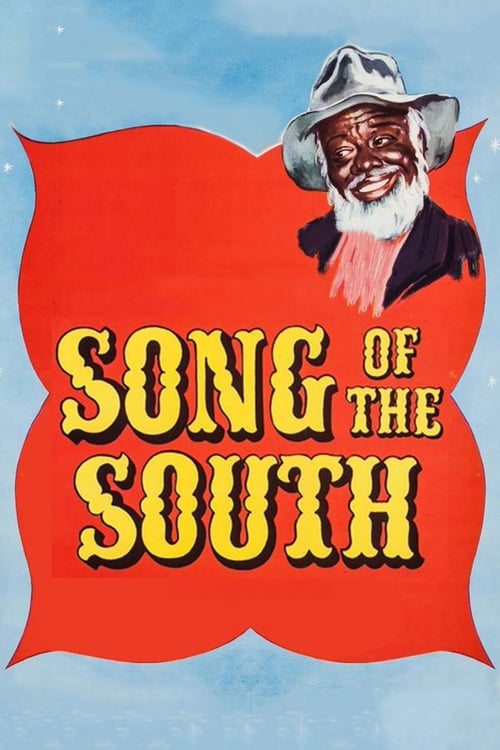
Driscoll and Luana Patten were the first two actors Walt Disney placed under contract. Driscoll then played the lead character in Song of the South (1946), which introduced live action into the producer's films in conjunction with extensive animated footage. The film turned Driscoll and his co-star Luana Patten into child stars, and they were discussed for a special Academy Award as the best child actors of the year, but for the year of its release, no juvenile awards were presented at all.
Now nicknamed by the American press as Walt Disney's "Sweetheart Team", Driscoll and Patten starred together in So Dear to My Heart (1948) with Burl Ives and Beulah Bondi. It was planned as Disney's first all-live-action movie, with production beginning immediately after Song of the South, but its release was delayed until late 1948 to meet the demands of Disney's co-producer and longtime distributor RKO Radio Pictures for animated content in the film.
Driscoll played Eddie Cantor's screen son in the RKO Studios musical comedy If You Knew Susie (also 1948), in which he teamed with former Our Gang member Margaret Kerry. Patten and he appeared with Roy Rogers and the Sons of the Pioneers in the live-action teaser for the Pecos Bill segment of Disney's cartoon compilation Melody Time (also 1948).
Driscoll was lent to RKO to star in The Window, based on Cornell Woolrich's short story "The Boy Cried Murder". Howard Hughes, who had bought RKO the previous year, considered the film unworthy of release and Driscoll not much of an actor, so delayed its release. When it was released in May 1949, it became a surprise hit. The New York Times credited Driscoll with the film's success:The mounting terror of a young boy who lives in mortal fear of his life is projected with remarkable verisimilitude by 12-year-old Bobby Driscoll in "The Window," which opened on Saturday at the Victoria. The striking force and terrifying impact of this RKO melodrama is chiefly due to Bobby's brilliant acting, for the whole effect would have been lost were there any suspicion of doubt about the credibility of this pivotal character. Occasionally, the director overdoes things a bit in striving for shock effects...But "The Window" is Bobby Driscoll's picture, make no mistake about that.
So Dear to My Heart and The Window earned Driscoll a special Juvenile Academy Award in March 1950 as the outstanding juvenile actor of 1949.
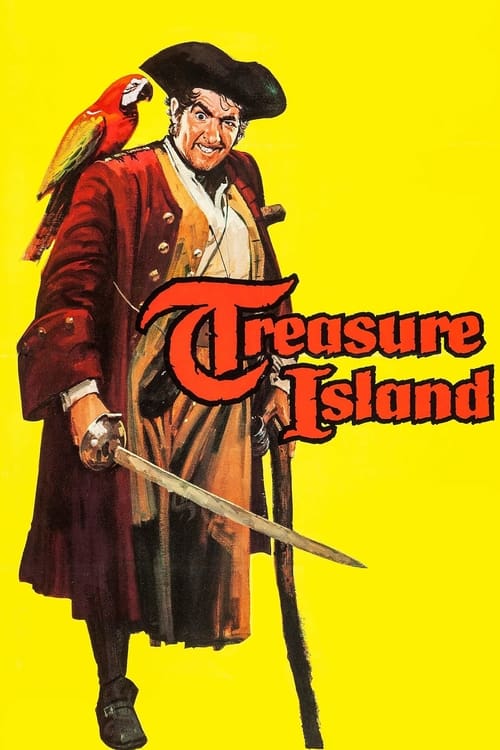
Driscoll was cast to play Jim Hawkins in Walt Disney's version of Robert Louis Stevenson's Treasure Island (1950), with British actor Robert Newton as Long John Silver, the studio's first all-live-action picture. The feature was filmed in the United Kingdom, and during production, Driscoll was found to not have a valid British work permit, so his family and Disney were fined and ordered to leave the country. They were allowed to remain for six weeks to prepare an appeal, and director Byron Haskin hastily shot all of Driscoll's close-ups, using his British stand-in to film missing location scenes after his parents and he had returned to California.
Treasure Island was an international hit, and several other film projects involving Driscoll were under discussion, but none materialized. For example, Haskin recalled in his memoirs that Disney, although interested in Robert Louis Stevenson's pirate story as a full-length cartoon, always planned to cast Driscoll as Mark Twain's Tom Sawyer. He was at the perfect age for the role, but because of a story rights ownership dispute with Hollywood producer David O. Selznick, who had previously produced the property in 1938, Disney ultimately had to cancel the entire project. Driscoll also was scheduled to portray a youthful follower of Robin Hood following Treasure Island, again with Robert Newton, who would play Friar Tuck, but Driscoll's run-in with British immigration made this impossible.
Driscoll's second long-run Disney contract allowed him to be lent to independent Horizon Pictures for the double role of Danny/Josh Reed in When I Grow Up (1951). His casting was suggested by screenwriter Michael Kanin.
In addition to his brief guest appearance in Walt Disney's first television Christmas show in 1950, One Hour in Wonderland, Driscoll lent his voice to Goofy, Jr. in the Disney cartoon shorts "Fathers Are People" and "Father's Lion", which were released in 1951 and 1952, respectively.
Driscoll portrayed Robert "Bibi" Bonnard in Richard Fleischer's comedy The Happy Time (1952), which was based on a Broadway play of the same name by Samuel A. Taylor. Cast with Charles Boyer, Marsha Hunt, Louis Jourdan, and Kurt Kasznar, he played the juvenile offspring of a patriarch in Quebec of the 1920s, the character upon whom the plot centered.
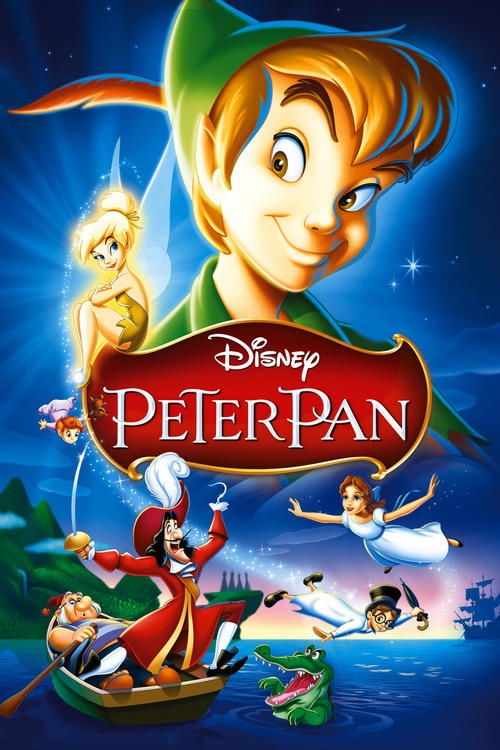
Driscoll's last major success, Peter Pan (1953), was produced largely between May 1949 and mid-1951. Driscoll was cast with Disney's "Little British Lady" Kathryn Beaumont, who was in the role of Wendy Darling; he was used as the reference model for the close-ups and provided Peter Pan's voice, and dancer and choreographer Roland Dupree was the model for the character's motion. Scenes were played on an almost empty sound stage, with only the most essential props, and filmed for use by the animators.
In his biography of Disney, Marc Elliot described Driscoll as the producer's favorite "live action" child star: "Walt often referred to Driscoll with great affection as the living embodiment of his own youth." During a project meeting following the completion of Peter Pan, though, Disney stated that he now saw Driscoll as best suited for roles as a young bully rather than a likable protagonist. Driscoll's salary at Disney had been raised to $1,750 per week, but Driscoll had little work from 1952 on. In March 1953, Driscoll's additional two-year option had been extended (which would have kept him at Disney into 1956) but was cancelled just weeks after Peter Pan was released theatrically. A severe case of acne accompanying the onset of puberty, explaining why it was necessary for Driscoll to use heavy makeup for his performances on dozens of TV shows, was officially provided as the final reason for the termination of his connection with the Disney Studios.