
.jpg?width=400)

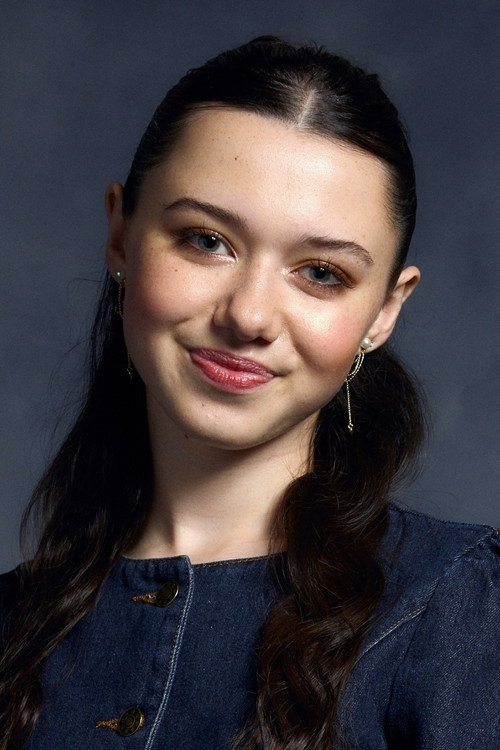
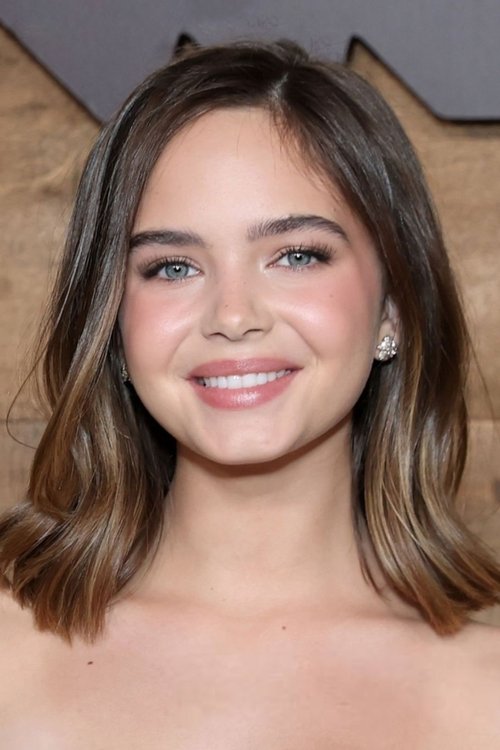
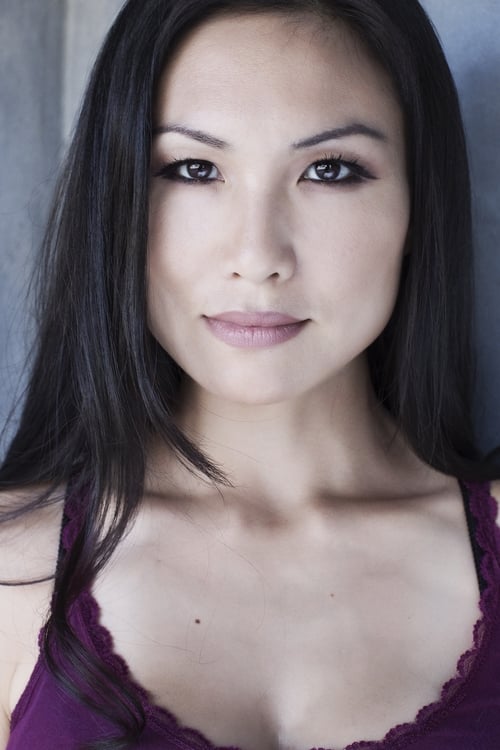
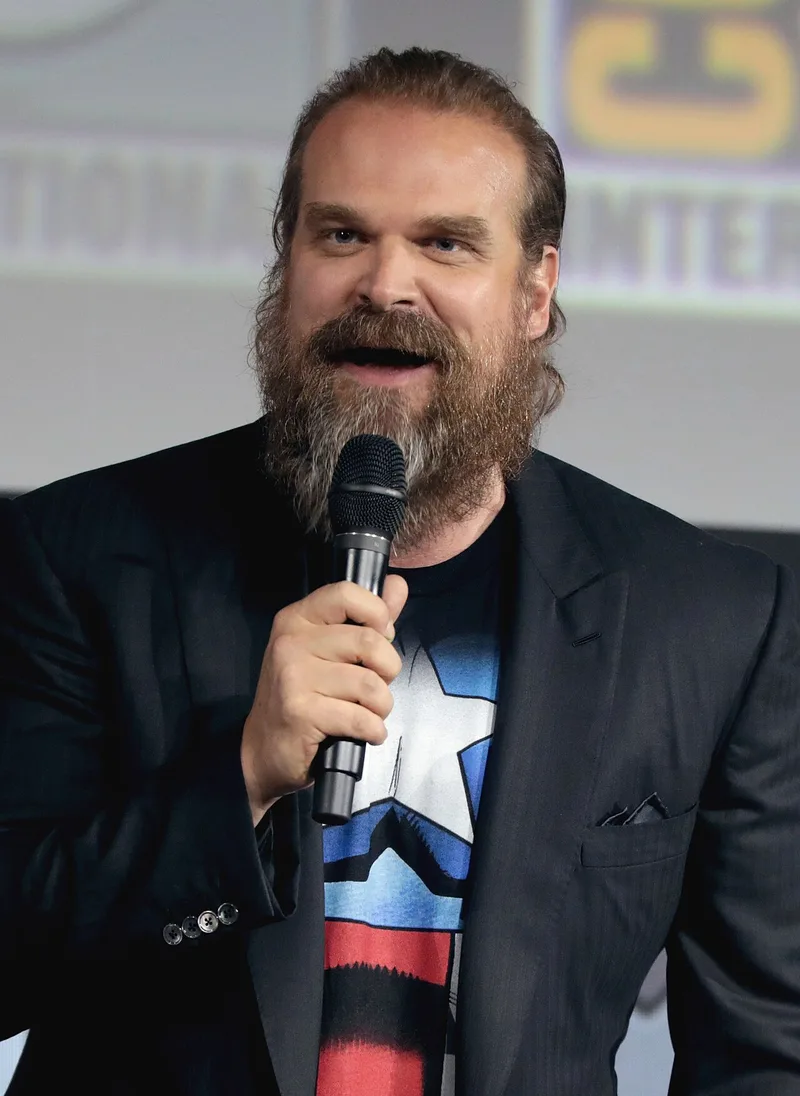

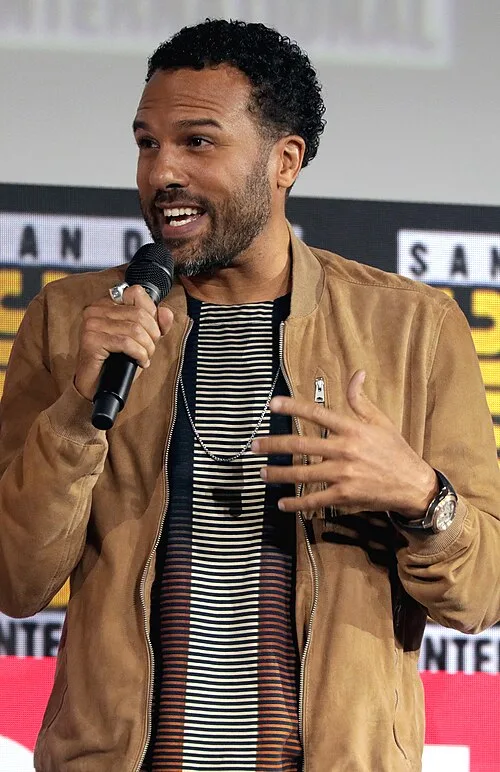

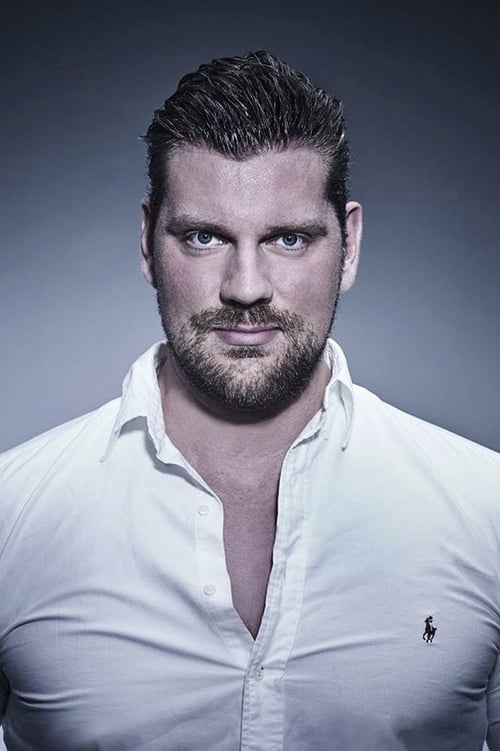
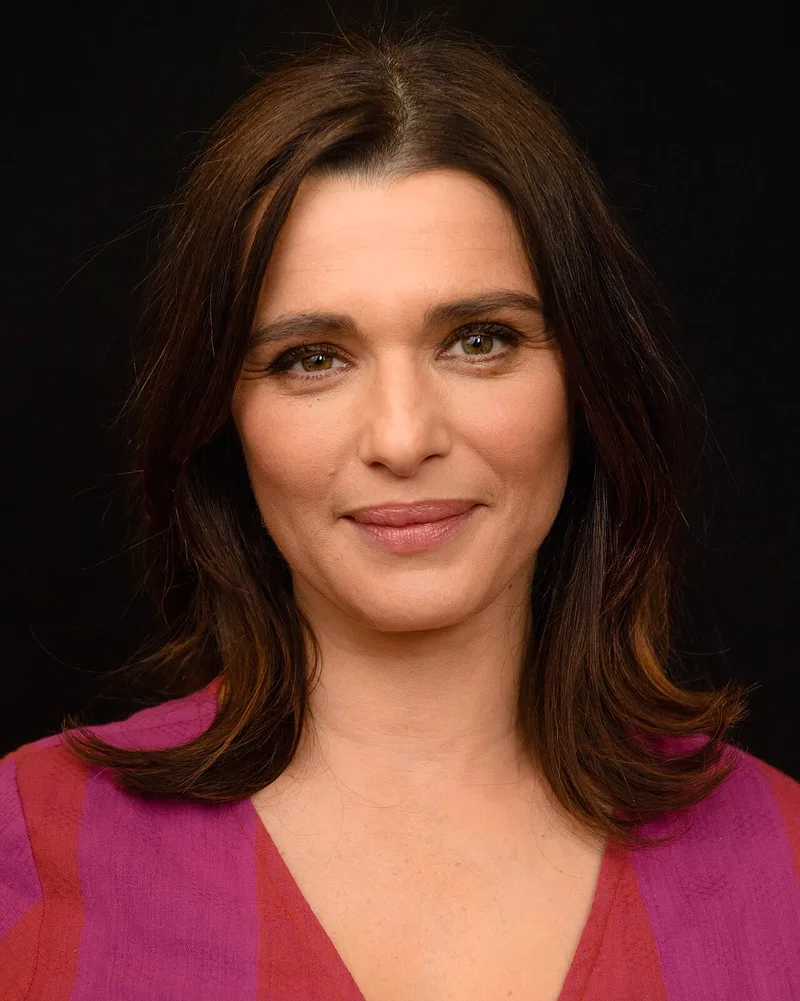


Black Widow is a 2021 American superhero film based on Marvel Comics featuring the character of the same name. Produced by Marvel Studios and distributed by Walt Disney Studios Motion Pictures, it is the 24th film in the Marvel Cinematic Universe (MCU). The film was directed by Cate Shortland from a screenplay by Eric Pearson and stars Scarlett Johansson as Natasha Romanoff / Black Widow alongside Florence Pugh, David Harbour, O-T Fagbenle, Olga Kurylenko, William Hurt, Ray Winstone, and Rachel Weisz. Mostly set during the events of Captain America: Civil War (2016), the film sees Romanoff on the run and forced to confront her past as a Russian spy before she became an Avenger.
Lionsgate Films began developing a Black Widow film in April 2004, with David Hayter attached to write and direct. The project did not move forward and the character's film rights had reverted to Marvel Studios by June 2006. Johansson was cast in the role for several MCU films beginning with Iron Man 2 (2010), and began discussing a solo film with Marvel. Work began in late 2017 and Shortland was hired in July 2018. Jac Schaeffer and Ned Benson contributed to the script before Pearson joined. The film was written to be a prequel that expands on Romanoff's history and helps end her MCU story following the character's death in Avengers: Endgame (2019). Shortland put an emphasis on the fight sequences and said this was the most violent MCU film so far. Filming took place from May to October 2019 in Norway, England, Budapest, Morocco, and Macon, Georgia.
Black Widow premiered at events around the world on June 29, 2021, and was released in the United States on July 9, simultaneously in theaters and through Disney+ with Premier Access. It is the first film in Phase Four of the MCU, and was delayed three times from an original May 2020 release date due to the COVID-19 pandemic. Black Widow broke several pandemic box office records and grossed over $379 million worldwide. The film received positive reviews from critics, with particular praise for the action sequences and for the performances of Johansson and Pugh. In July 2021, Johansson filed a lawsuit against Disney over the simultaneous release, which was settled two months later.
Contents
Plot
In 1995, super soldier Alexei Shostakov and Black Widow assassin Melina Vostokoff work as Russian undercover agents, posing as a family in Ohio with Natasha Romanoff and Yelena Belova as their daughters. They steal S.H.I.E.L.D. intel and escape to Cuba where their boss, General Dreykov, has Romanoff and Belova taken to the Red Room for training as Widows. In the following decades, Shostakov is imprisoned in Russia while Romanoff and Belova become successful, dangerous assassins. Romanoff eventually defects to S.H.I.E.L.D. after helping Clint Barton bomb Dreykov's Budapest office, which apparently kills Dreykov and his young daughter Antonia.
In 2016, Romanoff is a fugitive for violating the Sokovia Accords. She escapes from U.S. Secretary of State Thaddeus Ross and flees to a safehouse in Norway supplied by Rick Mason. Meanwhile, Belova kills a rogue former Widow but comes in contact with a synthetic gas that neutralizes the Red Room's chemical mind-control agent. Belova sends antidote vials to Romanoff, hoping she and the Avengers can free the other Widows, and goes into hiding. When Romanoff is unknowingly driving with the vials in her car, Red Room agent Taskmaster attacks her. Romanoff escapes from Taskmaster and realizes that the vials came from Budapest. There she finds Belova, who reveals that Dreykov is alive and the Red Room is still active. Widows and Taskmaster attack them, but Romanoff and Belova evade them and meet with Mason, who supplies them with a helicopter.
Romanoff and Belova break Shostakov out of prison to learn Dreykov's location, and he directs them to Vostokoff, who lives on a farm outside Saint Petersburg. There she is refining the chemical mind control process used on the Widows. Vostokoff alerts Dreykov and his agents arrive to take them, but Romanoff convinces Vostokoff to help them and the pair use face mask technology to switch places. At the Red Room, a secret aerial facility, Vostokoff frees Shostakov and Belova from their restraints. Dreykov sees through Romanoff's disguise. He reveals that Taskmaster is Antonia, who suffered damage in the Budapest bombing that was so severe Dreykov had to put technology in her head to save her. This turned Antonia into the perfect soldier, capable of mimicking the actions of anyone she sees. Romanoff is unable to attack Dreykov due to a pheromone lock installed in every Widow, but negates that by breaking her own nose and severing her olfactory nerve. Shostakov battles Taskmaster while Vostokoff disables one of the facility's engines, and they then lock Taskmaster in a cell.
Cast
Scarlett Johansson as Natasha Romanoff / Black Widow:An Avenger, highly trained former-KGB assassin, and former agent of S.H.I.E.L.D. Romanoff is on the run and alone following the events of Captain America: Civil War (2016), which Johansson saw as an opportunity to show the character as "a woman who has come into her own and is making independent and active choices for herself". Director Cate Shortland said Romanoff's ambiguous psychological journey was the center of the story, and writer Eric Pearson said the film would show Romanoff become the "more emotional, vulnerable and at peace" version of the character seen in Avengers: Infinity War (2018) and Avengers: Endgame (2019). Because the character dies in Endgame, Johansson said Black Widow allowed her to leave the MCU "on a high note" and said her work portraying Romanoff was now complete. Ever Anderson portrays a young Natasha Romanoff. Anderson, who speaks Russian, felt her background in taekwondo and gymnastics training was helpful for the role.
Florence Pugh as Yelena Belova:A sister to Romanoff who was trained in the Red Room as a Black Widow. Johansson said Belova was an early inclusion in the film who could stand on her own alongside Romanoff. Pugh said there was a generational difference between the two, describing Belova as "unapologetic, and confident in herself, and curious... and emotionally brave". She admired Belova's bluntness and determination, and noted that the character is a skilled fighter who does not know how to live a normal life. Shortland said Romanoff would be handing the baton to Belova in the film, and during filming Pugh looked to Johansson for guidance on meeting the demands of making Marvel films. Johansson wanted to avoid an antagonistic dynamic between the two characters, instead having a sister-like but contentious relationship that Pugh characterized as "a sister story that really hones in on grief, on pain, on abuse, on being a victim—and living with being a victim". Violet McGraw portrays a young Yelena Belova.
David Harbour as Alexei Shostakov / Red Guardian:The Russian super-soldier counterpart to Captain America and father-figure to Romanoff and Belova. Harbour said Shostakov was not heroic or noble, and was both comically and tragically flawed. Shostakov claims that he fought Captain America in the 1980s, and Pearson felt the character actually believes this despite it being impossible in the MCU timeline. Harbour and Shortland discussed Ricky Gervais's performance in The Office (2001–2003) and Philip Seymour Hoffman's in The Savages (2007), described as "comedy that comes out of real domestic need". Harbour had already grown his facial hair for the fourth season of Stranger Things (2016–2025), and he gained weight for the role to be 280 pounds (127 kg). He then lost 60 pounds (27 kg) over the course of filming to portray a younger version of the character in the opening flashback sequence.
Production
Background
In February 2004, Lionsgate acquired the film rights for the Marvel Comics character Black Widow, and in April announced David Hayter as writer and director of the film, with Marvel Studios' Avi Arad producing. By June 2006, Lionsgate had dropped the project and the rights reverted to Marvel Studios. Hayter and Marvel tried getting another financier to develop the project, but Hayter did not feel that they found another place "that was willing to take the movie, and the character, seriously". Hayter said this left him heartbroken, and he hoped the film would be made some day.
Marvel Studios entered early talks with Emily Blunt to play Black Widow in the Marvel Cinematic Universe (MCU) film Iron Man 2 (2010) in January 2009, but she was unable to take the role due to a previous commitment to star in Gulliver's Travels (2010). In March 2009, Scarlett Johansson signed on to play Natasha Romanoff / Black Widow, with her deal including options for multiple films. In September 2010, Marvel Studios President Kevin Feige said discussions with Johansson had already taken place regarding a Black Widow standalone film, but Marvel's focus was on the crossover film The Avengers (2012). Johansson reprised her role in that film, as well as in Captain America: The Winter Soldier (2014), Avengers: Age of Ultron (2015), Captain America: Civil War (2016), Avengers: Infinity War (2018), and Avengers: Endgame (2019). After the release of Age of Ultron, Johansson revealed that the number of films on her contract had been adjusted since she first signed to match the "demand of the character", as Marvel had not anticipated the audience's positive response to the character and Johansson's performance.
After teasing Black Widow's past in Age of Ultron, Feige said in February 2014 that he would like to see it explored further in a solo film. Development work for this had already started, including a "pretty in depth" treatment by Nicole Perlman who co-wrote Marvel Studios' Guardians of the Galaxy (2014). The following April, Johansson expressed interest in starring in a Black Widow film and said it would be driven by demand from the audience. That July, Hayter expressed interest in reviving the project for Marvel, while director Neil Marshall said a month later that he "would love to do a Black Widow film". Marshall said he was fascinated by a superhero with "extraordinary skills" rather than superpowers who is also an ex-KGB assassin. In April 2015, Johansson spoke more on the possibility of a solo Black Widow film, seeing the potential to explore the character's different layers as depicted in her previous appearances. However, she felt that the character was being "used well in this part of the universe" at that time. While promoting Civil War the next April, Feige noted that due to Marvel's announced schedule of films for Phase Three of the MCU, any potential Black Widow film would be four or five years away. He added that Marvel was "creatively and emotionally" committed to making a Black Widow film eventually.
Development
Feige met with Johansson to discuss the direction of a Black Widow film in October 2017. Marvel then began meeting with writers for the project, including Jac Schaeffer and Jessica Gao. Gao's pitch was influenced by Grosse Pointe Blank (1997), in which Romanoff would have been planted in a high school to assassinate a target and then 20 years later attends a high school reunion where she has to deal with the fallout of her earlier actions. The pitch heavily featured the character She-Hulk, and Marvel Studios executive Brad Winderbaum felt Gao was instead pitching a She-Hulk film that featured Black Widow. Gao would later be hired by Marvel Studios as the head writer for the Disney+ television series She-Hulk: Attorney at Law (2022). Schaeffer met with Feige in December, and was hired to write the screenplay by the end of 2017. Schaeffer and Johansson were set to discuss the direction of the film at the beginning of February 2018.
Marvel began meeting with female directors to potentially take on the project, part of a priority push by major film studios to hire female directors for franchises. By the end of April 2018, the studio had met with over 65 directors for the project in an "extremely thorough" search, including Deniz Gamze Ergüven, Chloé Zhao, Amma Asante, and Lynn Shelton. Lucrecia Martel was also approached, but was discouraged when she was told that she would not have to "worry about the action scenes". She also felt the music and visual effects of Marvel films were "horrible". Coralie Fargeat was in contention following the success of her film Revenge (2017), but chose to develop The Substance (2024) instead, believing Marvel would not give her final cut privilege. Zhao took herself out of contention after deciding that Black Widow was not the right story for her, and because the planned filming schedule conflicted with her film Nomadland (2020) which was a story Zhao wanted to tell; she went on to direct Marvel's Eternals (2021). In the following months, a shortlist of 49 directors was made before the top choices of Cate Shortland, Asante, and Maggie Betts met with Feige and Johansson in June. Mélanie Laurent and Kimberly Peirce were also in the "next-to-final mix". Johansson was a fan of Shortland's previous female-starring film Lore (2012), and was the one who had approached her about directing the film; Shortland was hired in July, and watched all of Romanoff's MCU appearances in preparation for making the film.
The Hollywood Reporter reported in October 2018 that Johansson would earn $15 million for the film, an increase from the "low-seven figure salary" that she earned for starring in The Avengers. Chris Evans and Chris Hemsworth each earned $15 million for the third films in their MCU franchises—Civil War and Thor: Ragnarok (2017), respectively—as well as for Infinity War and Endgame. Despite The Hollywood Reporter claiming that their report had been confirmed by "multiple knowledgeable sources", Marvel Studios disputed its accuracy and said they "never publicly disclose salaries or deal terms". The Walt Disney Company later said Johansson had earned $20 million by the end of July 2021 for her work on the film, including her role as an executive producer.
Pre-production
In February 2019, Ned Benson was hired to rewrite the script, and Feige confirmed that, despite rumors, the studio did not want the film to receive an R-rating from the Motion Picture Association. The following month, Florence Pugh entered negotiations to join the cast as a spy, later revealed to be Yelena Belova. Marvel had been considering Pugh for the role since late 2018, but began looking at other actresses in early 2019, including Saoirse Ronan, who passed on the role. The studio returned to Pugh after she received strong reviews for her performance in the film Fighting with My Family (2019). Devin Grayson and J. G. Jones, who co-created Belova, expected to receive $25,000 for her role in the film based on a 2007 agreement with Marvel Comics, but ultimately received $5,000 due to a provision in the contract which allowed Marvel to reduce creators' payments; after Grayson went public with this, Marvel agreed to pay her the remaining amount. In April 2019, Pugh was confirmed to have been cast alongside David Harbour, Rachel Weisz, and O-T Fagbenle. An early version of the script included a scene from Civil War featuring Romanoff and Robert Downey Jr.'s Tony Stark / Iron Man, and Downey was reported to be appearing in the film. Fans also expected Jeremy Renner to reprise his MCU role as Clint Barton. Shortland and Feige ultimately decided against including other heroes so Romanoff could stand on her own, though Renner does have an uncredited voice-only cameo.
Eric Pearson, who started his writing career in Marvel's screenwriting program and went on to work on several MCU projects, was hired during pre-production to rewrite the film's script again. He ultimately received sole screenwriter credit, with Schaeffer and Benson receiving story credits. Shortland and Johansson had decided to take inspiration from the television series The Americans (2013–2018), which is about a Russian undercover spy family, by introducing Romanoff's own "family" of Russian spies including Belova. When Pearson joined the film, the opening sequence—a prologue set in the 1990s with Romanoff and her "family" living undercover in the Midwestern United States—had already been written. The rest of the film focuses on this family coming back together in the "present day", with a pivotal scene later in the film where they are all reunited around a dining table. Of all the MCU projects that he had worked on, Pearson found Black Widow's setting within the MCU timeline to be the most difficult to get right. This was because he wanted the audience to feel that the villain could succeed without breaking the timeline, which would be difficult considering audiences had already seen Civil War, Infinity War, and Endgame. He chose to focus on the Red Room—where the Black Widows are trained—and its leader, who "wields power from the shadows". Pearson thought that the film's spy thriller tone helped alleviate his concerns about the villain. A scene at the end of the film in which Thaddeus Ross pursues Romanoff was deliberately left unresolved, as Shortland wanted to leave the audience "on a high" and questioning how Romanoff escapes rather than exhausted with another fight. This is then followed by a scene that connects this film to the end of Civil War by showing Romanoff leaving on a Quinjet to save the Avengers. She is wearing a vest given to her by Belova and has dyed her hair blonde, which matches the character's appearance in Infinity War.
Filming
Principal photography began on May 28, 2019, in Norway. Shortland took inspiration from such films as How to Train Your Dragon (2010), No Country for Old Men (2007), and Thelma & Louise (1991), as well as Captain America: The Winter Soldier. She looked at combat films and those with armies and militia, allowing her to imagine females in those roles to help translate that to Black Widow. Shortland also referenced fight scenes involving female characters in Alien (1979) and the Terminator franchise, and wanted the film's fights to resemble "real fights" rather than wrestling matches. She edited together fight scenes from different films into shorts that helped her explore the style of fighting that she wanted in the film. Shortland said this was the most violent film in the MCU and she wanted to approach that aspect with the same "truth" that she was approaching the rest of the film.
Early reports suggested that Rob Hardy would be the film's cinematographer, but he left the production before filming began. Gabriel Beristain served as cinematographer instead, having previously done so for the Marvel One-Shot short films Item 47 (2012) and Agent Carter (2013), for the television series Agent Carter (2015–2016), and for additional photography on Iron Man (2008) and six other MCU films. Beristain was initially not credited in Black Widow's trailers, as pointed out by Jeff Sneider at Collider who wondered if contractual obstacles were to blame for Marvel not crediting the cinematographer at that point. Sneider felt Beristain would be credited in later marketing materials, and his hiring was confirmed in the film's official press advance. Beristein later confirmed that he joined the film after production had already begun, opting to leave a television directing job and move to London so he could be the main cinematographer for an MCU film. Shortland preferred to avoid technical equipment where possible and prioritize natural lighting, which provided a challenge for Beristain in having to match the light of the location shoots to later additional photography filmed in Los Angeles. The naturalistic approach was also reflected in interior scenes, lighting from outside the set or using lights with strong diffusion to create the same effect. An anamorphic format was chosen to highlight the expansive movements and landscapes in the film, with a special system used that split the camera's image sensor from its body to help with this approach.
The production moved to Pinewood Studios in London in early June. Shortland hired someone to help Johansson and Pugh bond through trust exercises and other bonding activities, but the pair felt their "real bonding" happened during Pugh's first two days of filming when they were working on an early fight scene between Romanoff and Belova. Pugh had some stunt experience from her work on Fighting with My Family, and Johansson gave her advice that she had received from Samuel L. Jackson while working on Iron Man 2. Pearson was on set to hear a joke from Pugh about the "ridiculous" pose that Johansson often lands in while fighting as Romanoff throughout her MCU appearances, which led to him adding some jokes from Belova to Romanoff about the poses in the script. Ray Winstone joined the film's cast later in June, when filming took place on location in Budapest. 13 BMW X3s were used to create a car chase involving Romanoff and Belova in Budapest, with the crew often switching off the electronic stability control and safety assistance functions to be able to do what the script asked for. They also swapped the X3's electronic parking brake for a hydraulically actuated one. Second unit director Darrin Prescott explained that the crew would often "replace the engine or tear the entire body off the car and rebuild it from scratch". The sequence's plot and locations were adjusted to help Prescott create the "spontaneous" stunts that he wanted.
Post-production
Matthew Schmidt and Leigh Folsom Boyd edited the film. Pearson said the handling of Romanoff's Budapest backstory was "85% cracked" prior to filming, and the rest was determined during editing and additional photography. Winstone disliked the additional photography, saying it changed the character from what he and Shortland created and feeling that his performance was being criticized by Marvel Studios executives. He wanted his role to be recast instead, but was contractually obligated to return. A scene of Romanoff wearing underwear and a T-shirt that Shortland enjoyed due to "how sexy [Johansson] is [when] she's in control" was cut because test audiences criticized it as using the "male gaze". Black Widow is one of the few Marvel films to feature an opening credits sequence, which Feige explained was because Shortland felt strongly about exploring what Dreykov is responsible for at the beginning of the film. The sequence was designed by Perception, who worked with Shortland to film various vignettes on set that were made to look as if they were captured on 8 mm film, 90's digital video, and VHS. These were combined with old photographs and documents that Perception's team created and manipulated to tell the story.
In mid-March 2020, Disney removed the film from its release schedule due to the COVID-19 pandemic. In early April, Disney announced that Black Widow would be released on November 6, 2020, and the rest of their Phase Four slate of films were shifted to accommodate this. In September 2020, Disney pushed the release back again to May 7, 2021, followed by a third shift in March 2021 to July 9, 2021. In April 2021, following Julia Louis-Dreyfus's appearance as Valentina Allegra de Fontaine in the Marvel Studios television series The Falcon and the Winter Soldier (2021), Joanna Robinson of Vanity Fair reported that Louis-Dreyfus had been expected to first appear in Black Widow before the delays pushed its release to after The Falcon and the Winter Soldier's premiere on Disney+. Feige later confirmed this, explaining that Black Widow's post-credits scene was originally intended to be the character's introduction but instead became a reference to her appearance in the series. He said this was the only change to Marvel's Phase Four plans that was forced by the pandemic. The post-credits scene was added after Hawkeye (2021) showrunner Jonathan Igla expressed interest in having Yelena Belova appear in his series. Pearson was asked to write the scene, in which De Fontaine assigns Clint Barton as Belova's next target, without knowing who the target would be. Shortland considered the setting of the scene, at Romanoff's grave in a remote clearing, to be a response to fans who were upset that Romanoff did not receive a funeral in Endgame. Shortland said the character was private and would not have wanted a large funeral, so this scene allowed the character's ending "to be the grief the individuals felt, rather than a big public outpouring". Shortland said in May 2021 that the film had been completed a year prior and had not been altered, despite the release delays. Olga Kurylenko's role as Antonia Dreykov / Taskmaster was revealed with the film's release.
Music
Alexandre Desplat was revealed to be composing the music for the film in January 2020. Late in post-production, Lorne Balfe replaced Desplat as composer, which Desplat confirmed in May 2020. Balfe briefly references Alan Silvestri's motif for Romanoff and main theme for the Avengers from The Avengers in the score, but otherwise wanted to focus on creating a new identity for Romanoff. His discussions with Shortland led to him writing an original piece in the style of Russian folk music that he thought Romanoff and Belova may have grown up listening to. The rest of his score developed from that piece, and also took inspiration from Russian composers Sergei Prokofiev and Igor Stravinsky. Balfe completed recording for the score at Abbey Road Studios as the COVID-19 pandemic began to impact studio recording sessions.
The film's opening credits sequence features a cover of Nirvana's "Smells Like Teen Spirit" by Think Up Anger, featuring Malia J, which was suggested by Perception. "American Pie" by Don McLean and "Cheap Thrills" by Sia are also featured in the film. A soundtrack album featuring Balfe's score was released digitally by Marvel Music and Hollywood Records on July 9, 2021.
Marketing
The film was officially announced at the 2019 San Diego Comic-Con by Feige, Shortland, and members of the cast. They discussed the film and introduced footage from the first 30 days of production. Some of that footage was included in a teaser trailer for the film that was released in December, with several commentators highlighting its spy thriller tone and calling the film "long awaited" or "highly anticipated" by fans. Rachel Leishman of The Mary Sue said finally seeing a trailer for the film was "surprisingly emotional". She felt that setting it between Civil War and Infinity War would allow the character to grow into her more mature form from the latter film after earlier MCU films had depicted her in a supporting role to the male Avengers. Scott Mendelson of Forbes compared the trailer's story and tone to the films Atomic Blonde (2017), Red Sparrow (2018), and Anna (2019), but felt Black Widow had a commercial advantage over those films since it stars a familiar character. Mendelson thought this familiarity could outweigh the teaser's focus on "family melodrama" over superheroics, which he compared to Marvel Studios' Thor (2011). The Hollywood Reporter's Richard Newby found noticeable differences in Shortland's shot composition and cinematography in the trailer compared to the styles of Jon Favreau, Joss Whedon, and the Russo brothers, all directors who helped define Black Widow in previous MCU films, indicating a move away from the MCU's "house style".
What was intended to be the final trailer for the film debuted in March 2020. Nicole Carpenter of Polygon said it was the most in-depth look at the film yet with a more "intimate look" at the relationship between Romanoff and Belova. Josh Weiss of Syfy Wire enjoyed the trailer's quieter moments in addition to the expected action sequences. Mendelson found the trailer to be an improvement over the teaser, attributing this to its theme of "found families (the Avengers), forced families ([the Black Widows]) and actual family" portrayed by Pugh, Harbour, and Weisz.
Disney's president of marketing Asad Ayaz said that after Black Widow was delayed from its original May 2020 release date, the marketing team paused their campaign for the film. Once they began working towards a new release date in 2021, they were able to use character looks and story points they had not revealed in the initial campaign to build a new approach to the film. Ayaz explained that they did not want it to feel like they had returned to the same marketing campaign, which focused on the Black Widow symbol and her traditional black costume. The marketing team differentiated the new campaign by instead featuring the character's new white costume from the film, and by focusing on her legacy as an Avenger. The campaign featured 30 brands, including co-branded opportunities with GEICO, Ziploc, BMW, and Synchrony Bank. Additional custom partnerships occurred with Fandango, YouTube, Roku, TikTok, and Amazon, with a Twitter E3 gaming sponsorship as well as announcements, posters, and collectibles for premium theater experiences such as IMAX.
Release
Theatrical and Premier Access
Black Widow premiered on June 29, 2021, at various red carpet fan events in London, Los Angeles, Melbourne, and New York City. It was screened at the Taormina Film Fest on July 3, and was released in the United States on July 9, simultaneously in theaters and on Disney+ with Premier Access for US$30. It premiered in 46 territories over the course of its first weekend. In the U.S. it opened in 4,100 theaters, with 375 in IMAX, over 800 in premium large formats, 1,500 in 3D, and 275 in specialty D-Box, 4DX, and ScreenX theaters. In IMAX screenings, approximately 22 minutes of the film appeared in IMAX's expanded aspect ratio. Black Widow is the first film released in Phase Four of the MCU. Release dates for China, Taiwan, India, parts of Australia, and other Southeast Asia and Latin America markets were not set by the film's opening weekend, and by September the film was not expected to be released theatrically in China. Black Widow was the first of several MCU films to not receive a theatrical release in China, a "de facto ban" that was not lifted until 2023.
The film was originally scheduled for release on May 1, 2020. In early March 2020, after the COVID-19 pandemic had caused the closure of theaters in many countries, the release date for the film No Time to Die was shifted from April 2020 to November 2020. Commentators began speculating about the potential for other major films like Black Widow to be postponed as well. Deadline Hollywood reported on rumors in the film distribution industry suggesting that Black Widow would take the November release date of Marvel's Eternals, with the latter being delayed until 2021, but Disney said that it still intended to release Black Widow in May 2020. After a trailer was released for the film a week later, Scott Mendelson at Forbes said the trailer's existence and use of the May 2020 release date confirmed that the film was not being delayed. He said this was "the logical choice" because it was an ideal release date for the film and there was no evidence that the pandemic would affect its performance in the U.S. A week later, theaters across the U.S. were closed due to the pandemic and gatherings larger than 50 people were discouraged by the Centers for Disease Control and Prevention (CDC); Disney removed the film from its May release date. Adam B. Vary and Matt Donnelly at Variety questioned whether the MCU could be impacted more by pandemic delays than other franchises due to its interconnected nature. A Marvel Studios source told them that changing the film's release date would not affect the MCU timeline, and the pair speculated that this was due to the film being a prequel. In April, Disney gave Eternals's November 6, 2020, release date to Black Widow and shifted all other Phase Four films back in the release schedule to accommodate this.
Home media
Black Widow was released by Walt Disney Studios Home Entertainment on digital download in the U.S. on August 10, 2021, and was released on Ultra HD Blu-ray, Blu-ray, and DVD on September 14. Deleted scenes, a gag reel, and behind-the-scenes featurettes were included. The film was made available to all Disney+ subscribers starting October 6. The IMAX Enhanced version of the film was made available on Disney+ on November 12.
Reception
Box office
Black Widow grossed $183.7 million in the United States and Canada, and $196.1 million in other territories, for a worldwide total of $379.8 million. The film's opening weekend earned $226.2 million globally, which included $80.4 million at the domestic box office, $78.8 million at the international box office, and $67 million in Disney+ Premier Access global revenue. The opening weekend gross was within or had exceeded various pre-release projections. In June 2021, Fandango reported that the film had the most ticket presales in 2021, and surpassed other MCU films from previous years like Doctor Strange (2016) and Spider-Man: Homecoming (2017).
Black Widow earned $39.5 million on its opening day, including $13.2 million from Thursday night previews, which was the best preview night and opening day since the onset of the COVID-19 pandemic in March 2020. Its total weekend gross was $80.4 million, making it the top film of the weekend. This was the largest box office opening since the COVID-19 pandemic began, surpassing F9's opening of $70 million, and the largest opening weekend since Star Wars: The Rise of Skywalker (2019). The domestic gross was within some of the pre-release projections for the film, but it was below some updated industry projections that were made during the weekend after the opening night and preview grosses were known; Deadline Hollywood partially attributed this to the film's availability on Disney+ with Premier Access. When the $80.4 million theatrical gross was combined with the domestic Premier Access revenue of $55 million, totaling over $135.4 million for its opening weekend, Disney noted that Black Widow was the only film to surpass $100 million in domestic consumer spend on opening weekend since the start of the pandemic, and it marked the third largest opening ever for an MCU origin film behind Black Panther ($202 million) and Captain Marvel ($153.4 million). Following its opening weekend, Black Widow posted the largest non-holiday Monday ($7.16 million) and Tuesday ($7.6 million) gross in the pandemic. The film passed $100 million at the domestic box office in six days, the fastest to do so in the pandemic.
In its second weekend, the film grossed $25.8 million, finishing second behind Space Jam: A New Legacy. Its 67% drop marked the largest sophomore week decline for an MCU film, passing Ant-Man and the Wasp (62%). Box office analysts attributed Black Widow's second-week decline to its Disney+ Premier Access release, as well as widely reported piracies of the film online. In its third weekend, the film earned a further $11.6 million and became the fastest film to reach $150 million in total domestic box office gross in the pandemic. Black Widow was the fourth-highest-grossing film of 2021 in the United States and Canada.
Streaming viewership
With Disney+ Premier Access, Black Widow earned $67 million worldwide in its opening weekend. It was the first film that Disney revealed Premier Access revenue for, with the revenue skewing heavily towards the United States with $55 million. Analytics company Samba TV, which measures at least five minutes of viewership on smart televisions in over 3 million U.S. households, reported that 1.1 million households watched the film in its opening weekend. Deadline Hollywood noted that this viewership translated to about $33 million in revenue for Disney, considering the US$30 price of Premier Access, which lined up with the announced worldwide revenue. The site also stated that Disney was receiving about 85% of the Disney+ Premier revenue, sharing the rest with platform providers such as Amazon Firestick and Apple TV+. The following weekend, Deadline Hollywood reported that Black Widow had become the most-pirated film of the past week, while some industry sources believed it had become the most-pirated film of the pandemic.
Samba TV later updated the film's Disney+ Premier Access viewership, reporting that the film had been streamed over 2 million times in the U.S. over its first 10 days of release, which resulted in around $60 million in overall domestic revenue from Disney+. Samba TV also reported updates to 10-day viewership in the United Kingdom (258,000), Germany (116,000), and Australia (47,000). In October, Samba TV reported that over 1.1 million U.S. households had watched Black Widow in the first five days of its availability to all subscribers on Disney+. They also reported viewership in the United Kingdom (190,000) and Germany (96,000) during that same time frame. As of August 2021, Black Widow had earned $125 million through streaming and digital downloads. In its first 30 days, the film was watched in over 2.8 million U.S. households. Deadline Hollywood reported the film had been pirated over 20 million times, resulting in at least $600 million in lost revenue for Disney. Nielsen Media Research, which records streaming viewership on certain U.S. television screens, reported that Black Widow was the eleventh most-streamed film of 2021 with 4.410 billion minutes streamed. In January 2022, tech firm Akamai listed Black Widow as the third-most pirated film of 2021.
Critical response
The review aggregator Rotten Tomatoes reported an approval rating of 79%, with an average score of 7/10, based on 463 reviews. The website's critical consensus reads, "Black Widow's deeper themes are drowned out in all the action, but it remains a solidly entertaining standalone adventure that's rounded out by a stellar supporting cast." Metacritic, which uses a weighted average, assigned the film a score of 68 out of 100 based on reviews from 58 critics, indicating "generally favorable" reviews. Critics commonly praised the cast, particularly Johansson and Pugh, as well as the action sequences. Audiences polled by CinemaScore gave the film an average grade of "A−" on an A+ to F scale, while PostTrak reported that 88% of audience members gave it a positive score and 69% said they would definitely recommend the film.
Owen Gleiberman of Variety initially feared that Black Widow would just be two hours of Johansson fighting, but found the film to be more interesting than that despite still having fight sequences that would "give a mainstream audience that getting-your-money's-worth feeling". He praised Shortland's direction and said, "from the opening credits, most of it has a gritty, deliberate, zap-free tone that is strikingly—and intentionally—earthbound for a superhero fantasy". Writing for The Hollywood Reporter, David Rooney felt the film's move away from the superhero genre into a "high-octane espionage thriller" made it a more satisfying female-starring MCU film than the "blandly bombastic" Captain Marvel. At IGN, Nicole Clark discussed the ambition of the film to go beyond the superhero genre to explore the abuse and "intense tragedy" from Romanoff's past.
At The Hollywood Reporter, Rooney described the film as a "stellar vehicle" for Johansson and praised her vulnerability in the film, while Gleiberman said Johansson "holds the film together and gives it its touch of soul" with her vulnerability which he said was unusual for a superhero film performance. Several critics praised the film's supporting cast, with the chemistry between Johansson and Pugh in particular a highlight. Pete Hammond of Deadline Hollywood said "Natasha's awkward shyness [is] counterpunched by the lively and cynical Yelena", and praised Johansson's presence in her role. He felt Pugh was ready to lead her own franchise and also praised the performances of Weisz, Harbour, and Winstone. Leah Greenblatt of Entertainment Weekly said the relationship between Romanoff and Belova was the "real love story" of the film, and Nicole Clark felt the film was at its strongest in the scenes where the pair were fighting against or beside each other. Brian Tallerico of RogerEbert.com said Pugh was the film's MVP and had found "just the right shades of strength and vulnerability". Caryn James at the BBC also praised Pugh and said Belova was "more lived-in than most action-movie characters".
Accolades
Black Widow was one of 28 films that received the ReFrame Stamp for 2021, awarded by the gender equity coalition ReFrame for films that are proven to have gender-balanced hiring.
Documentary special
In February 2021, the documentary series Marvel Studios: Assembled was announced. The specials go behind the scenes of the MCU films and television series with cast members and additional creatives. A special for this film, "The Making of Black Widow", featuring Johansson, was released on Disney+ on October 20, 2021.
Future
Pugh reprised her role as Belova in the Disney+ series Hawkeye, continuing the storyline that is set up by the film's post-credits scene. In June 2021, Shortland expressed interest in directing another film in the MCU, and noted that a potential sequel to Black Widow would likely revolve around a different character following Romanoff's death. Weisz said she would be interested in a future storyline featuring Vostokoff assuming her Iron Maiden comic book persona.


