Entry into films
Gilbert made his first films for Pat Powers, an independent producer of silent films who wanted to enter the new field of talking pictures. Powers invested in inventor Lee de Forest's Phonofilm company and made an unsuccessful takeover bid. Powers soon hired a former de Forest technician, William Garity, to replicate the Phonofilm sound recording system, which became Powers Cinephone. Powers opened a Cinephone studio for sound-film production in June 1929, on 40th Avenue in Long Island City, New York. Among his first productions were comedy shorts with burlesque comedians Billy Gilbert and Gene Schuler. The physical plant was very small for a movie studio; surviving Cinephone shorts restrict the camera movement to one cramped soundstage.
Gilbert joined a stage revue, Sensations of 1929. Comedian Stan Laurel, then working for comedy producer Hal Roach, was in the audience at one performance (probably in London, where the show was playing in August 1929 during the Roach studio's summer layoff). Laurel went backstage to meet Gilbert and was so impressed that he introduced Gilbert to Roach. Gilbert worked for Roach as a gag writer, actor, and director.
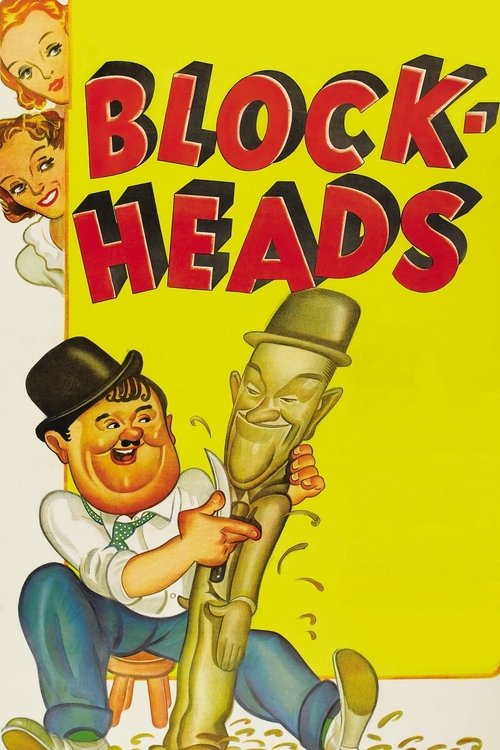
Gilbert also established himself at the Vitaphone studio in 1930 – he appears without billing in the Joe Frisco comedy The Happy Hottentots (restored and released on DVD). Gilbert's burly frame and gruff voice made him a good comic villain, and within the year he was working consistently for Hal Roach. He appeared in support of Roach's comedy stars Laurel and Hardy, Charley Chase, Thelma Todd, and Our Gang. He was featured in the Academy Award-winning Laurel and Hardy featurette The Music Box (1932). Gilbert generally played blustery tough guys in the Roach comedies, but could play other comic characters, from fey couturiers to pompous radio announcers to roaring drunks. Gilbert's skill at dialects prompted Roach to give him his own series: big Billy Gilbert teamed with little Billy Bletcher as the Dutch-comic "Schmaltz Brothers." The best known of these offbeat musical-comedy shorts is Rhapsody in Brew (which Gilbert also directed). Gilbert regularly starred in Roach's short-comedy series The Taxi Boys, opposite comedians Clyde Cook, Billy Bevan, Franklin Pangborn, and Ben Blue.
Like many other Roach contractees, Gilbert found similar work at other studios. He appears in the early comedies of the Three Stooges at Columbia Pictures, as well as in RKO short subjects. These led to featured roles in full-length films, and from 1934 Gilbert became one of the screen's most familiar faces. In 1944, Billy signed with the prestigious William Morris Agency, which led to starring roles and prominent supporting roles in numerous films.