1953–1960: Roman Holiday and stardom
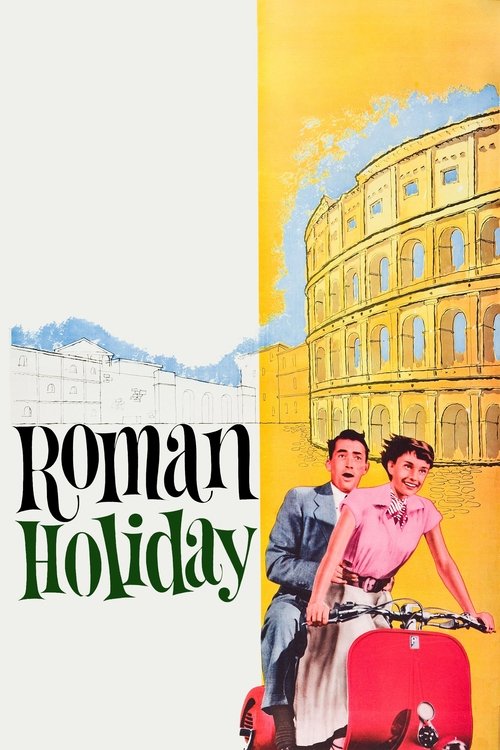
Hepburn had her first starring role in Roman Holiday (1953), playing Princess Ann, a European princess who escapes the reins of royalty and has a wild night out with an American newsman (Gregory Peck). On 18 September 1951, shortly after Secret People was finished but before its premiere, Thorold Dickinson made a screen test with the young starlet and sent it to director William Wyler, who was in Rome preparing Roman Holiday. Wyler wrote a glowing note of thanks to Dickinson, saying that "as a result of the test, a number of the producers at Paramount have expressed interest in casting her." The producers of the film had initially wanted Elizabeth Taylor for the role, but Wyler was so impressed by Hepburn's screen test that he cast her instead. Wyler later commented, "She had everything I was looking for: charm, innocence, and talent. She also was very funny. She was absolutely enchanting, and we said, 'That's the girl!'" Originally, the film was to have had only Gregory Peck's name above its title, with "Introducing Audrey Hepburn" beneath in smaller font. Peck suggested Wyler elevate her to equal billing so her name appears before the title, and in type as large as his: "You've got to change that because she'll be a big star, and I'll look like a big jerk."
The film was a box-office success, and Hepburn gained critical acclaim for her portrayal, unexpectedly winning the Academy Award for Best Actress, the BAFTA Award for Best British Actress in a Leading Role, and the Golden Globe Award for Best Actress in a Motion Picture – Drama. In his review in The New York Times, A. H. Weiler wrote: "Although she is not precisely a newcomer to films, Audrey Hepburn, the British actress who is being starred for the first time as Princess Ann, is a slender, elfin, and wistful beauty, alternately regal and childlike in her profound appreciation of newly-found, simple pleasures and love. Although she bravely smiles her acknowledgement of the end of that affair, she remains a pitifully lonely figure facing a stuffy future."
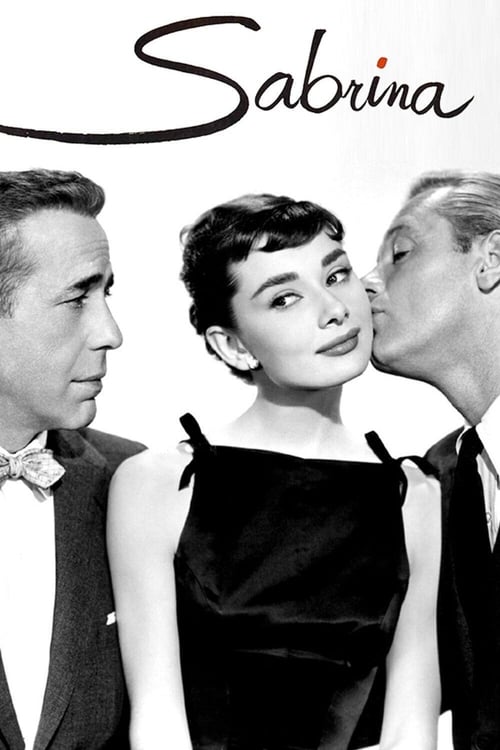
Hepburn was signed to a seven-picture contract with Paramount, with 12 months in between films to allow her time for stage work. She was featured on 7 September 1953 cover of Time magazine, and also became known for her personal style. Following her success in Roman Holiday, Hepburn starred in Billy Wilder's romantic Cinderella-story comedy Sabrina (1954), in which wealthy brothers (Humphrey Bogart and William Holden) compete for the affections of their chauffeur's innocent daughter (Hepburn). For her performance, she was nominated for the Academy Award for Best Actress and won the BAFTA Award for Best Actress in a Leading Role. Bosley Crowther of The New York Times stated that she was "a young lady of extraordinary range of sensitive and moving expressions within such a frail and slender frame. She is even more luminous as the daughter and pet of the servants' hall than she was as a princess last year, and no more than that can be said."
Hepburn also returned to the stage in 1954, playing a water nymph who falls in love with a human in Jean Giraudoux's fantasy play Ondine at the 46th Street Theatre on Broadway. Ondine opened on February 18, 1954, and closed on July 3, 1954, after 157 performances. A critic for The New York Times commented that "somehow, Miss Hepburn is able to translate [its intangibles] into the language of the theatre without artfulness or precociousness. She gives a pulsing performance that is all grace and enchantment, disciplined by an instinct for the realities of the stage". Her performance won her the Tony Award for Best Actress in a Play three days after she won the Academy Award for Roman Holiday, making her one of three actresses to receive the Academy and Tony Awards for Best Actress in the same year (the other two are Shirley Booth and Ellen Burstyn). During the production, Hepburn and her co-star Mel Ferrer began a relationship, and were married on September 25, 1954 in Switzerland.
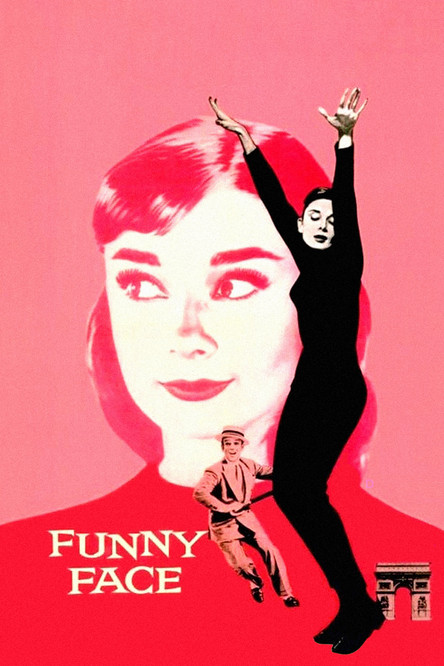
Although she appeared in no new film releases in 1955, Hepburn received the Golden Globe for World Film Favorite that year. Having become one of Hollywood's most popular box-office attractions, she starred in a series of successful films during the remainder of the decade, including her BAFTA- and Golden Globe-nominated role as Natasha Rostova in War and Peace (1956), an adaptation of the Tolstoy novel set during the Napoleonic wars, starring Henry Fonda and her husband Mel Ferrer. She exhibited her dancing abilities in her debut musical film, Funny Face (1957), wherein Fred Astaire, a fashion photographer, discovers a beatnik bookshop clerk (Hepburn) who, lured by a free trip to Paris, becomes a beautiful model. Hepburn starred in another romantic comedy, Love in the Afternoon (also 1957), alongside Gary Cooper and Maurice Chevalier.
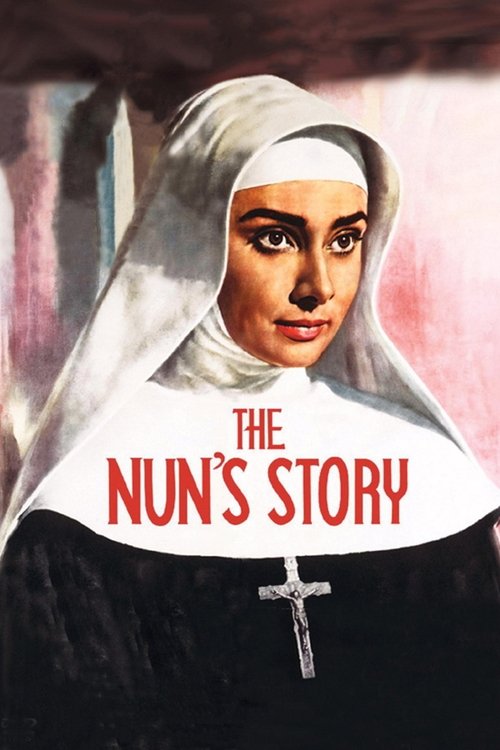
Hepburn played Sister Luke in The Nun's Story (1959), which focuses on the character's struggle to succeed as a nun, alongside co-star Peter Finch. She received a third Academy Award nomination and won a second BAFTA Award. A review in Variety reads: "Hepburn has her most demanding film role, and she gives her finest performance", while Henry Hart in Films in Review stated that her performance "will forever silence those who have thought her less an actress than a symbol of the sophisticated child/woman. Her portrayal of Sister Luke is one of the great performances of the screen." Hepburn spent a year researching and working on the role, saying, "I gave more time, energy, and thought to this role than to any of my previous screen performances".
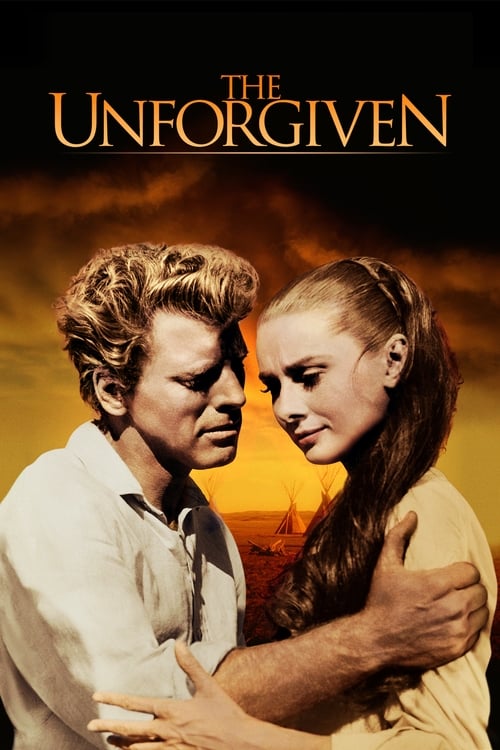
Following The Nun's Story, Hepburn received a lukewarm reception for starring with Anthony Perkins in the romantic adventure Green Mansions (1959), in which she played Rima, a jungle girl who falls in love with a Venezuelan traveller, and The Unforgiven (1960), her only western film, in which she appeared opposite Burt Lancaster and Lillian Gish in a story of racism against a group of Native Americans.