Arthur Hiller Penn (September 27, 1922 – September 28, 2010) was an American filmmaker, theatre director, and producer. He was a three-time Academy Award nominee for Best Director, and a Tony Award winner. Among other accolades, he was also nominated for a BAFTA Award, a Golden Globe and two Primetime Emmy Awards.
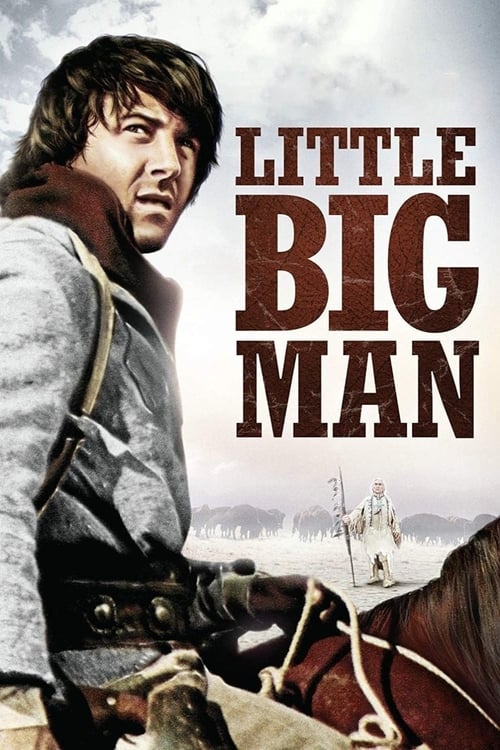
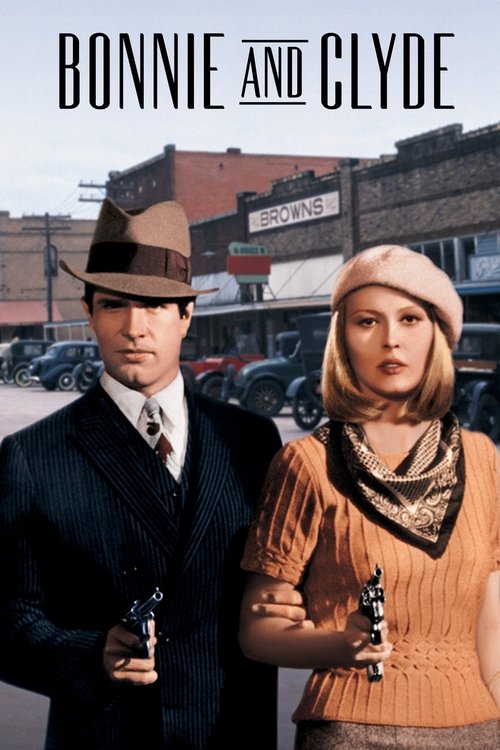
Penn first achieved prominence as a theatre director, winning a Tony Award for Best Direction of a Play for The Miracle Worker. He received similar acclaim and his first Oscar nomination for directing the 1962 film adaptation. His 1967 film Bonnie and Clyde is credited with initiating the New Hollywood movement, by infusing the biographical crime drama with a counterculture sensibility. He achieved similar critical and commercial success directing the comedy Alice's Restaurant (1969) and the revisionist Western Little Big Man (1970), which further reflected that ethos.
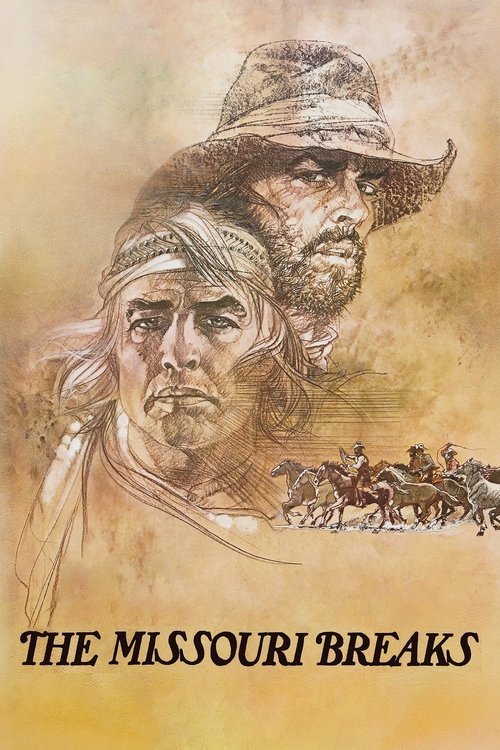
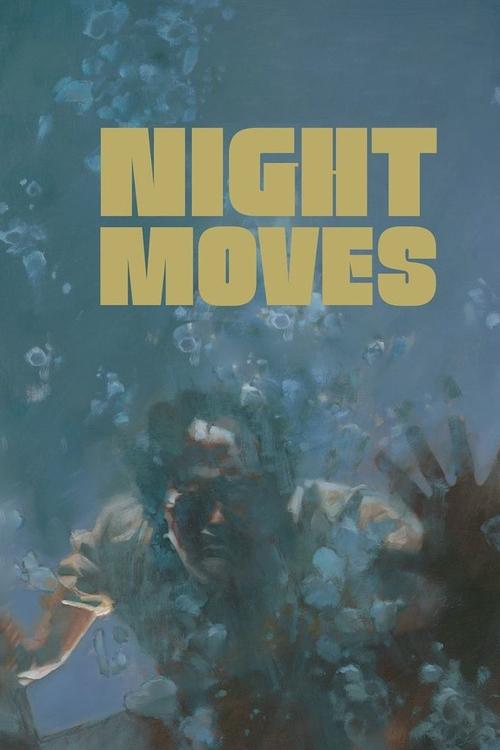
Penn’s other notable films included the neo-noir Night Moves (1975) and the revisionist Western The Missouri Breaks (1976). In the 1990s, he returned to stage and television direction and production, including an executive producer role for the police procedural series Law & Order.
Contents
Early life
Penn was born in 1922, to a Russian Jewish family in Philadelphia, Pennsylvania, the son of Sonia (Greenberg), a nurse, and Harry (Tzvi) William Penn, a watchmaker, both natives of then Novoaleksandrovsk, Russia, now Zarasai, Lithuania. He was the younger brother of Irving Penn, the fashion, portrait and still life photographer. During his early years, he moved in with his mother after she divorced his father. Some time after, he came back to his sickly father, leading him to run his father's watch repair shop. As Penn grew up, he became increasingly interested in film, especially after seeing the Orson Welles film Citizen Kane.
At 19, he was drafted into the United States Army during World War II (1943–1946), serving as an infantryman in the Battle of the Bulge. While stationed in Britain, he became interested in theater. He started to direct and take part in shows being put on for the soldiers around England at the time.
After the war, Penn attended Black Mountain College in North Carolina. As a student there he directed a production of Erik Satie's Le piège de Méduse with R. Buckminster Fuller, Elaine de Kooning, and Merce Cunningham performing, and he was a featured commentator in the documentary Fully Awake about the college.
Career
After making a name for himself as a director of quality television dramas, Penn made his feature debut with The Left Handed Gun (1958) for Warner Brothers. A retelling of the Billy the Kid legend, it was distinguished by Paul Newman's portrayal of the outlaw as a psychologically troubled youth (the role was originally intended for James Dean). The production was completed in only 23 days, but Warner Brothers reedited the film against his wishes with a new ending he disapproved of. The film failed upon release in North America, but was well received in Europe.
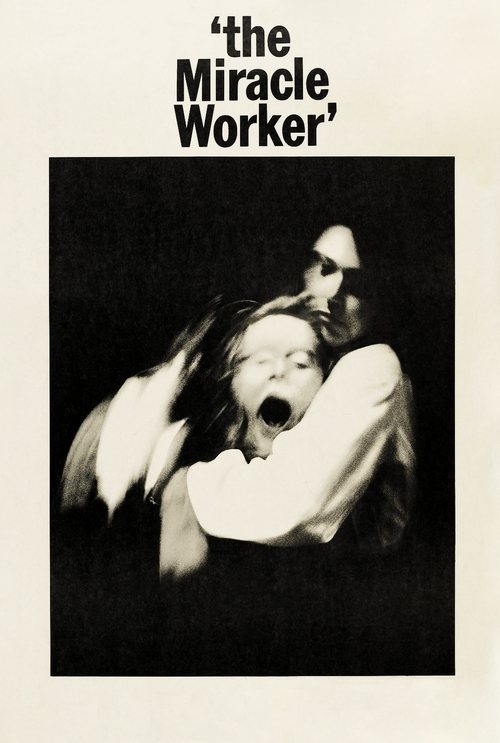
Penn's second film was The Miracle Worker (1962), the story of Anne Sullivan's struggle to teach the blind and deaf Helen Keller how to communicate. It garnered two Academy Awards for its leads Anne Bancroft and Patty Duke. Penn had won a Tony Award for directing the stage production, written by William Gibson, also starring Bancroft and Duke, and he had directed Bancroft's Broadway debut in playwright Gibson's first Broadway production, Two for the Seesaw.
Penn began working on The Train in France in June and August 1963 when star Burt Lancaster had Penn fired after three days of Penn's filming and called on John Frankenheimer to take over the film.
In 1965 Penn directed Mickey One. Heavily influenced by the French New Wave, it was the dreamlike story of a standup comedian (played by Warren Beatty) on the run from sinister, ambiguous forces. In 2010, Penn commented: "You know, you could not have gone through the Second World War with all that nonsense with Russia being an ally and then being the big black monster. It was an absurd time. The McCarthy period was ridiculous and humiliating, deeply humiliating. When I finally did 'Mickey One', it was in repudiation of the kind of fear that overtook free people to the point where they were telling on each other and afraid to speak out. It just astonished me, really astonished me. I mean, I was a vet, so it was nothing like what we thought we were fighting for."
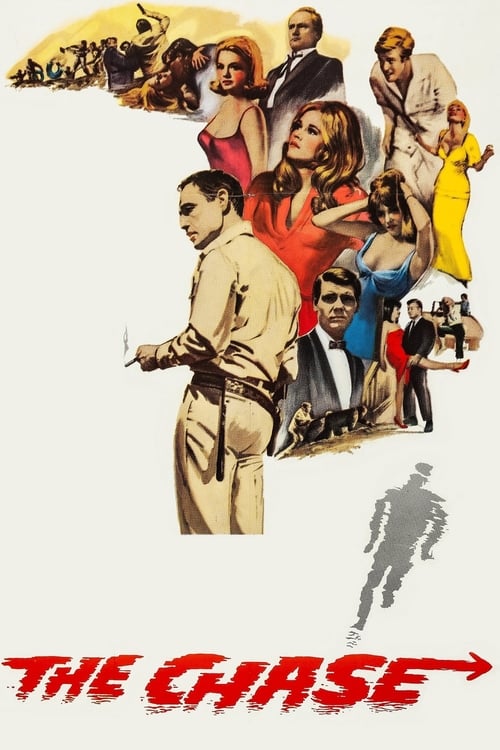
Penn's next film was The Chase (1966) a thriller following events in a small corrupt Southern town on the day an escaped convict, played by Robert Redford, returns. Penn was excluded from the post-production process, which was instead overseen by producer Sam Spiegel. However, the film was still praised by critics, with Dave Kehr later calling it one of Penn's "most personal and feverishly creative works". Also that year, he directed the stage version of the thriller Wait Until Dark starring Lee Remick and Robert Duvall.
Personal life
In 1955, he married actress Peggy Maurer. They had two children: son Matthew Penn and daughter, Molly Penn.
Penn became friends with Alger Hiss during the production of Mickey One, saying in a 2010 interview, "Alger got married here in my apartment. And so I became more of a student of the Hiss period than I knew what to do with, frankly".
Death
Penn died from congestive heart failure at his home in Manhattan on September 28, 2010, the day after his 88th birthday.
Filmography
Awards and nominations
Penn also received lifetime achievement honors from the Berlin International Film Festival, the San Francisco International Film Festival, and the Los Angeles Film Critics Association, among others.
List of accolades earned by Penn's films
Oscar-related Performance
Under Penn's directions, these actors have received Oscar nominations and wins for their performances in these respective roles.