Film
Jean-Luc Godard, then a film critic for Cahiers du cinéma, first saw Karina in the Palmolive adverts in which she posed in bathtubs. He was casting his debut feature film Breathless (À bout de souffle, 1960), and offered her a small part in it, but she refused when he mentioned that there would be a nude scene. When Godard questioned her refusal, mentioning her apparent nudity in the Palmolive ads, she is said to have replied, "Are you mad? I was wearing a bathing suit in those ads—the soapsuds went up to my neck. It was in your mind that I was undressed." In the end, the character Godard reserved for Karina did not appear in the film. Godard offered her a role in The Little Soldier (Le Petit Soldat, not released until 1963) which concerns contentious French actions during the Algerian War. She played a pro-Algerian activist. Karina, then still under 21, had to persuade her estranged mother to sign the contract for her. The film was immediately controversial, outlawed from French theaters for its content referencing the Algerian War.
After the filming of The Little Soldier, Godard wanted Karina to give up acting, but when Michel Deville offered her the leading role in his next movie, Tonight or Never (Ce soir ou jamais), she accepted immediately, and despite his displeasure Godard drove her to the studio each morning; it was after seeing the rushes of Deville's movie, in which she played an ambitious actress and had to learn her lines before shooting, that he decided to cast her in his own next movie, A Woman Is a Woman (Une femme est une femme, 1961).
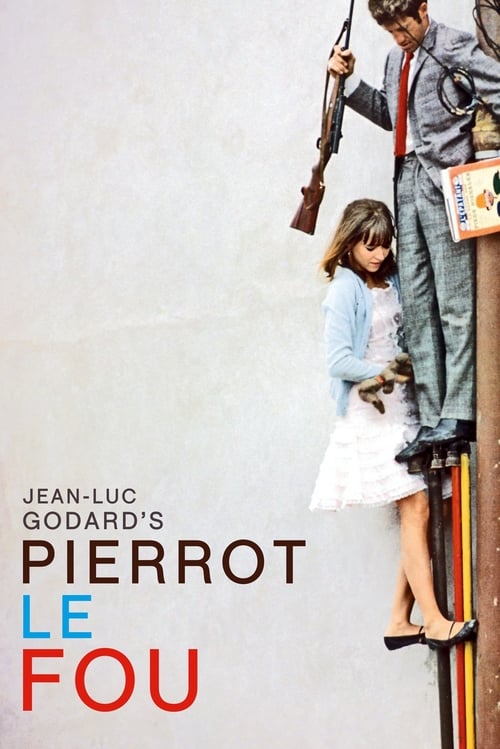
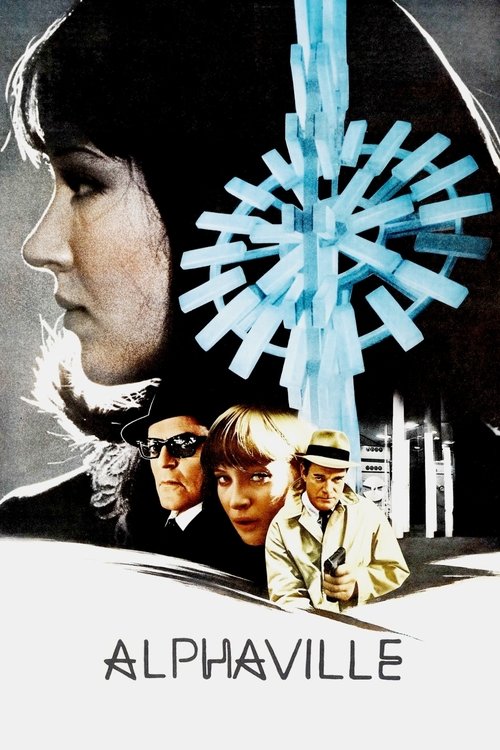
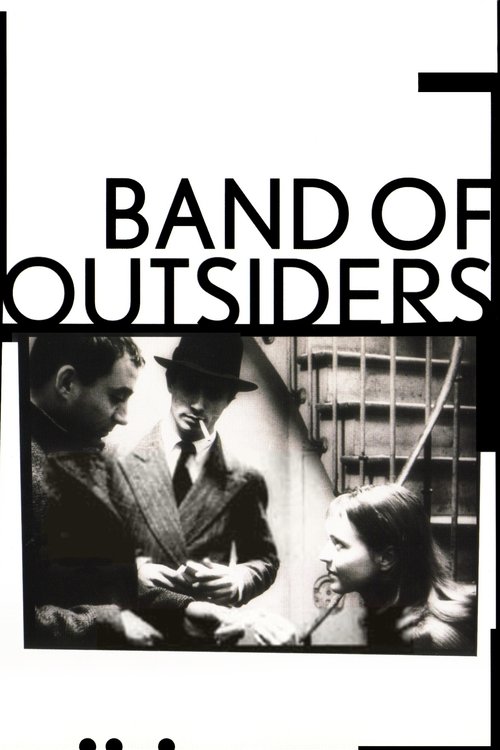
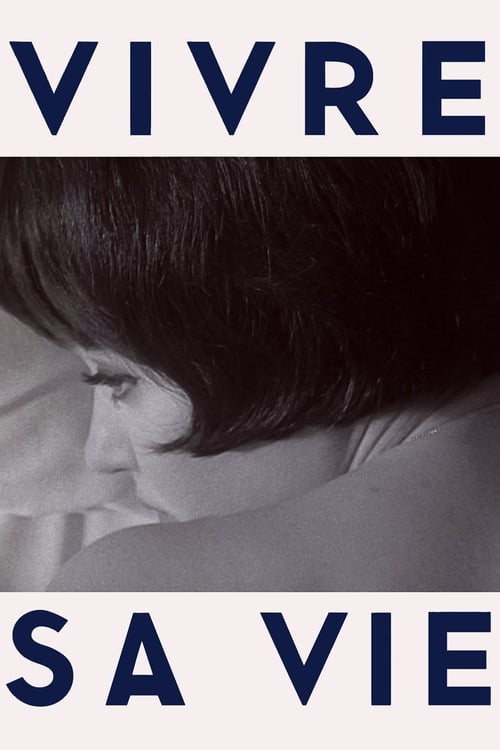
As Angela in A Woman Is a Woman, Karina's role was as an unattached striptease dancer who nevertheless wishes to have a child and daydreams about appearing in MGM musicals. Her school-girl costume emulated Leslie Caron in Gigi (1958), worn even while performing her act. Karina won the Silver Bear for Best Actress at the 11th Berlin International Film Festival for her performance. In all, Karina appeared in eight films directed by Godard, including My Life to Live (Vivre sa vie, 1962), Band of Outsiders (Bande à part, 1964) Pierrot le Fou and Alphaville (both 1965). In Pierrot le Fou, Karina's character is on the run with her ex-boyfriend, while in Alphaville, a science-fiction film often equated to Bladerunner, Karina's role requires her to have difficulty saying the phrase "I love you." The last film in the sequence was Made in USA (1966). Anne Billson, in an article querying the concept of the female muse, wrote that Godard in his films with Karina "seems to have trouble conceiving that the female experience revolves around anything other than prostitution, duplicity, or wanting babies." Karina herself did not object to being described as Godard's muse: "Maybe it's too much, it sounds so pompous. But of course I'm always very touched to hear people say that. Because Jean-Luc gave me a gift to play all of those parts."
Her career flourished, with Karina appearing in dozens of films through the 1960s, including: The Nun (La Religieuse, 1966), directed by Jacques Rivette; Luchino Visconti's The Stranger (Lo straniero, 1967); the George Cukor/Joseph Strick collaboration Justine (1969); and Tony Richardson's Laughter in the Dark (1969). She continued to work steadily into the 1970s, with roles in Christian de Chalonge's The Wedding Ring (L'Alliance, 1970), Andre Delvaux's Rendezvous at Bray (Rendez-vous à Bray, also 1971), The Salzburg Connection (1972), and Franco Brusati's Bread and Chocolate (Pane e cioccolata, 1973).
In 1972, she set up the production company for Living Together (Vivre ensemble, 1973), her directorial debut, in which she also acted. The film screened in the Critics' Week lineup at the 26th Cannes Film Festival.
She starred in Rainer Werner Fassbinder's Chinese Roulette (Chinesisches Roulette, 1976); Fassbinder allegedly wrote the film for her and Ulli Lommel, her partner at the time. She later wrote and acted in Last Song (1987) and appeared in Up, Down, Fragile (Haut bas fragile, 1995), directed by Jacques Rivette, and sang in The Truth About Charlie (2002), a remake of the film Charade (1963).
Karina wrote, directed and starred in Victoria (2008), a musical road movie filmed in Montreal and Saguenay–Lac-Saint-Jean, Quebec. The lead character, played by Karina, has amnesia. Richard Kuipers praised it in Variety as "a pleasant gambol through the backwoods of Quebec."
Karina's final film appearance was in Quantum Cowboys (2022), directed by Geoff Marslett.