Film career
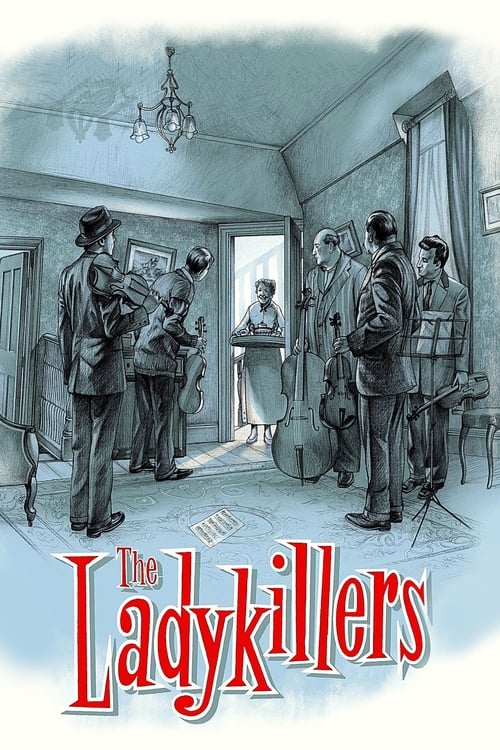
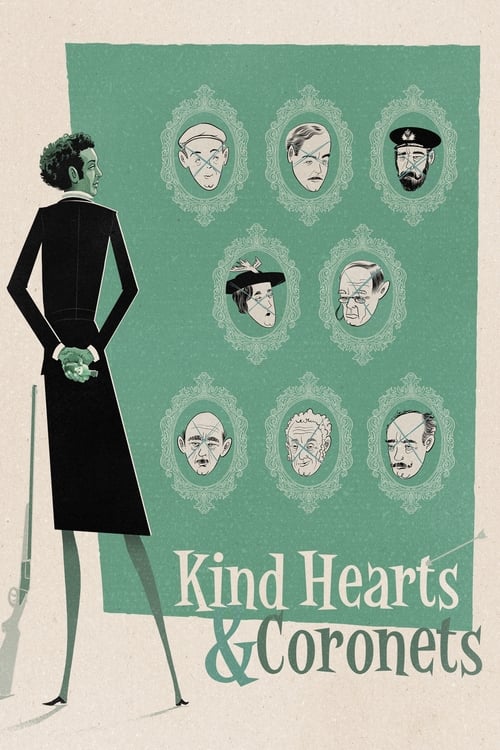
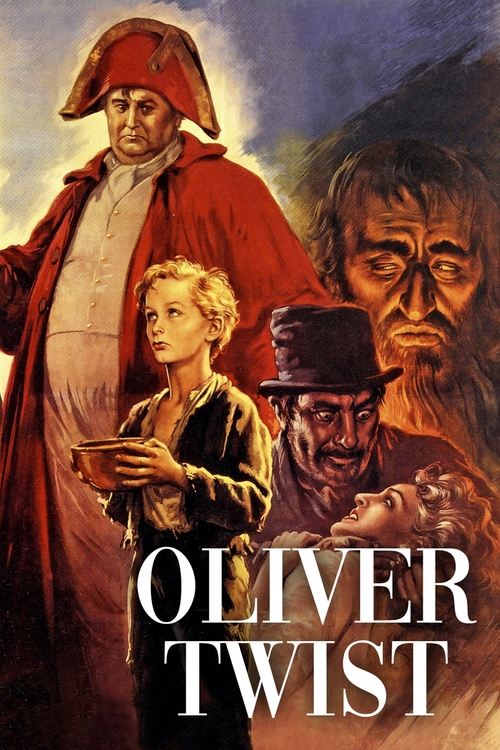
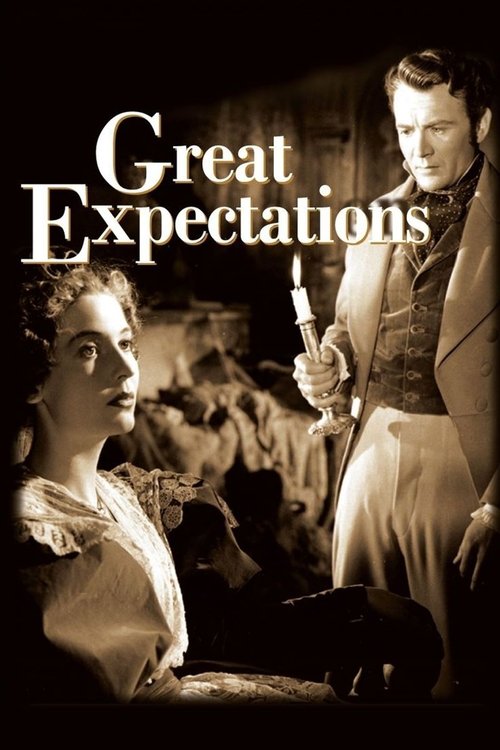
Guinness made his speaking debut in film in the drama Great Expectations (1946). He was initially mainly associated with the Ealing comedies, and particularly for playing eight characters in Kind Hearts and Coronets (1949). His other films from this period included Oliver Twist (1948), The Lavender Hill Mob, The Man in the White Suit (both 1951) and The Ladykillers (1955), with all four, as well as Great Expectations and Kind Hearts and Coronets, ranked among the Best British films. In 1950, he portrayed 19th-century British prime minister Benjamin Disraeli in The Mudlark, which included delivering an uninterrupted seven-minute speech in Parliament. In 1952, director Ronald Neame cast Guinness in his first romantic lead role, opposite Petula Clark in The Card. In 1951, a poll of British exhibitors identified Guinness as the top box office attraction in British films and fifth in international films, based on box office returns. Guinness was idolised by Peter Sellers—who himself became famous for inhabiting a variety of characters in a film—with Sellers's first major film role starring alongside his idol in The Ladykillers.
Guinness's other notable film roles of this period included The Swan (1956) with Grace Kelly, in her penultimate film role, and The Horse's Mouth (1958), in which Guinness played the part of drunken painter Gulley Jimson, and for which he also wrote the screenplay, which was nominated for an Academy Award. Guinness' desire to make The Horse's Mouth led to a break with the Rank Organisation who refused to fund it, with the actor claiming John Davis, head of Rank, “told me that I was a funny man and if I ever made a serious film it would finish me off.”
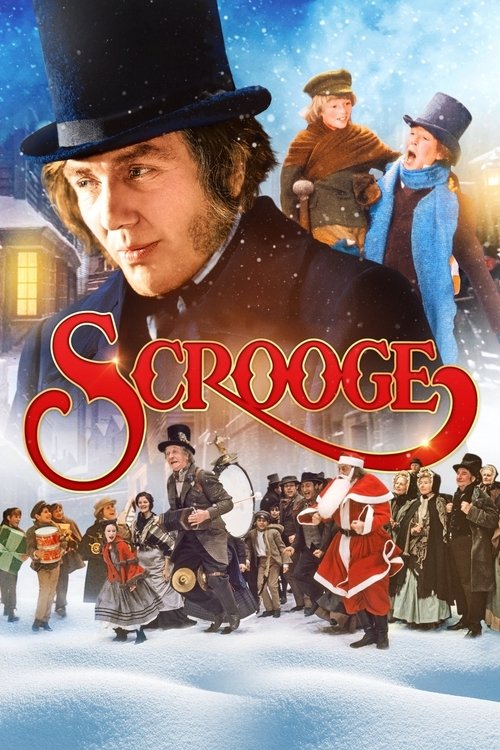
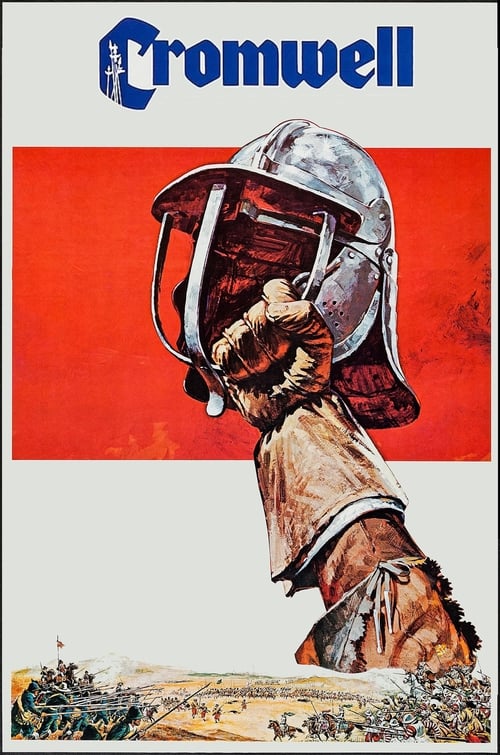
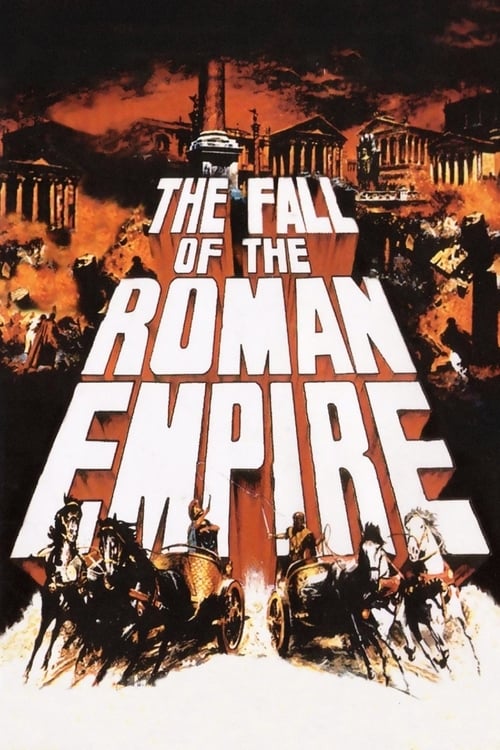
He played the lead in Carol Reed's Our Man in Havana (1959); Marcus Aurelius in The Fall of the Roman Empire (1964); Lieutenant General Yevgraf Andreyevich Zhivago in Doctor Zhivago (1965), The Quiller Memorandum (1966); Marley's Ghost in Scrooge (1970); Charles I in Cromwell (1970); Pope Innocent III in Franco Zeffirelli's Brother Sun, Sister Moon (1972); and the title role in Hitler: The Last Ten Days (1973), which he considered his best film performance, though critics disagreed. Another role that is sometimes referred to as one he considered his best, and is also considered so by many critics, is that of Major Jock Sinclair in Tunes of Glory (1960). Guinness also played the role of Jamessir Bensonmum, the blind butler, in the 1976 Neil Simon film Murder by Death.
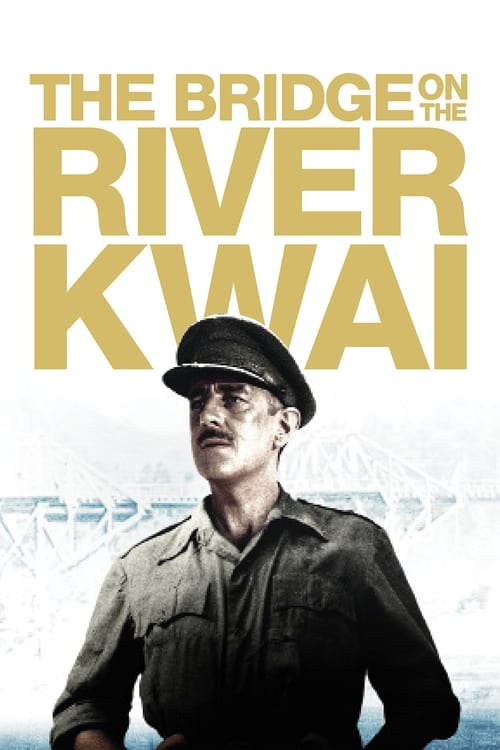
Guinness won particular praise for his collaborations with director David Lean, which today represent his most critically acclaimed work. After appearing in Lean's Great Expectations and Oliver Twist, he was given a starring role opposite William Holden in The Bridge on the River Kwai. For his performance as Colonel Nicholson, the unyielding British POW commanding officer, Guinness won both the Academy Award for Best Actor and BAFTA Award for Best Actor.
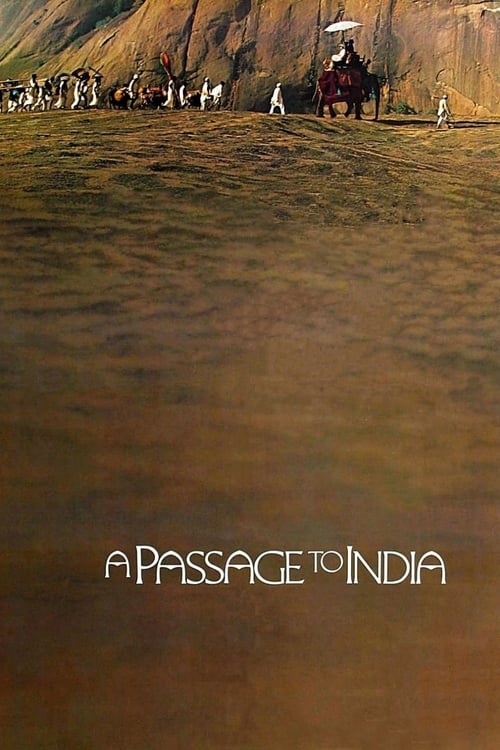
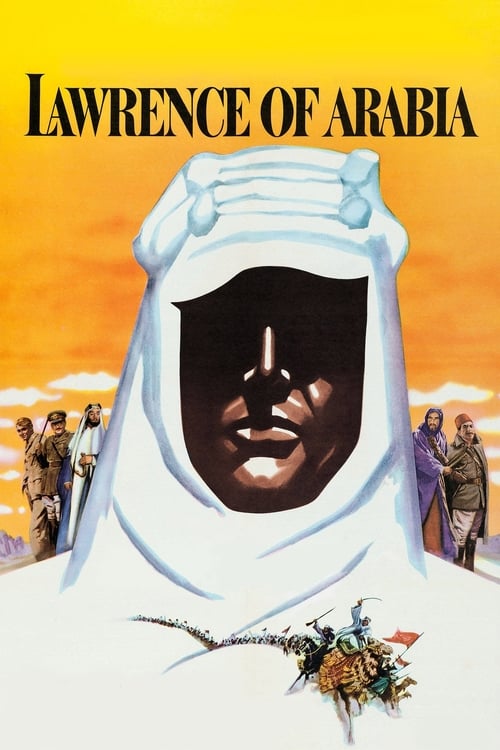
Despite a difficult and often hostile relationship, Lean, referring to Guinness as "my good luck charm", continued to cast Guinness in character roles in his later films: Arab leader Prince Faisal in Lawrence of Arabia (1962); the title character's half-brother, Bolshevik leader Yevgraf, in Doctor Zhivago and Indian mystic Professor Godbole in A Passage to India. He was also offered a role in Lean's Ryan's Daughter (1970) but declined. At that time, Guinness "mistrusted" Lean and considered the formerly close relationship to be strained—although he recalled, at Lean's funeral, that the famed director had been "charming and affable". Guinness appeared in five Lean films that were ranked in the British Film Institute's 50 greatest British films of the 20th century: 3rd (Lawrence of Arabia), 5th (Great Expectations), 11th (The Bridge on the River Kwai), 27th (Doctor Zhivago) and 46th (Oliver Twist).
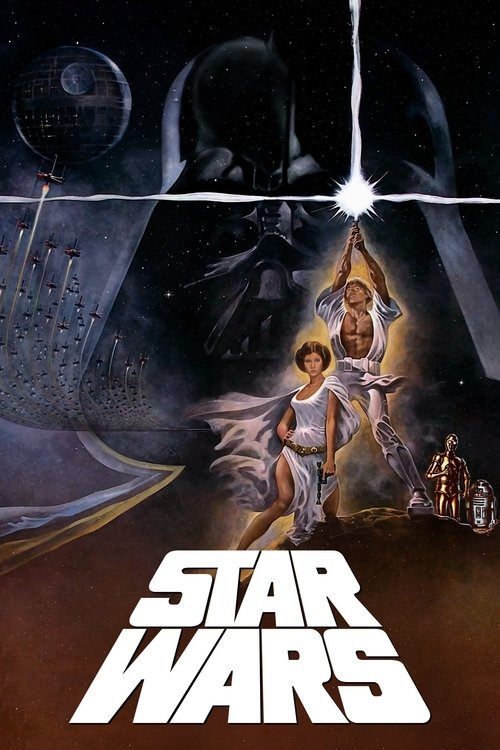
Guinness's role as Obi-Wan Kenobi in the original Star Wars trilogy, beginning in 1977 with Star Wars, brought him worldwide recognition to a new generation, as well as Academy Award and Golden Globe nominations. In letters to his friends, Guinness described the film as "fairy-tale rubbish" but the film's sense of moral good—and the studio's doubling of his initial salary offer—appealed to him. He agreed to take the part of Kenobi on the condition that he would not have to do any publicity to promote the film.
He initially negotiated a deal for 2% of the film's royalties paid to the director, George Lucas. Upon the warm reception of the film with the press and film critics, and as a gesture of good-will for the positive amendments and suggestions Guinness proposed to the screenplay for the film, Lucas offered Guinness an additional 0.5%, bringing his share to 2.5%. When Guinness asked Gary Kurtz for a written agreement, Kurtz revised Lucas's offering down by 0.25%, bringing Guinness's final, agreed-upon share of royalties paid to the director to 2.25% (Lucas received one-fifth of the overall box office takings, which would take Guinness's share of the overall box office to 1.80%).
Upon his first viewing of the film, Guinness wrote in his diary, "It's a pretty staggering film as spectacle and technically brilliant. Exciting, very noisy, and warm-hearted. The battle scenes at the end go on for five minutes too long, I feel, and some of the dialogue is excruciating and much of it is lost in noise, but it remains a vivid experience."
Guinness soon became unhappy with being identified with the part and expressed dismay at the fan following that the Star Wars trilogy attracted. In the DVD commentary of the original Star Wars, Lucas says that Guinness was not happy with the script rewrite in which Obi-Wan is killed. Guinness said in a 1999 interview that it was actually his idea to kill off Obi-Wan, persuading Lucas that it would make him a stronger character and that Lucas agreed to the idea. Guinness stated in the interview, "What I didn't tell Lucas was that I just couldn't go on speaking those bloody awful, banal lines. I'd had enough of the mumbo jumbo." He went on to say that he "shrivelled up" every time Star Wars was mentioned to him.
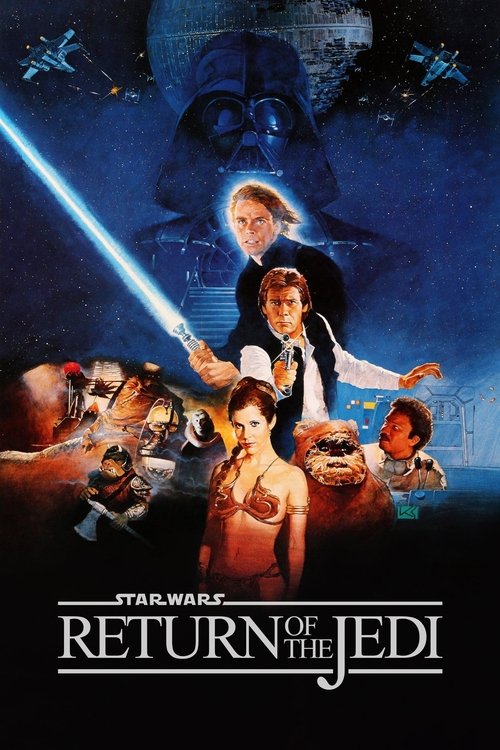
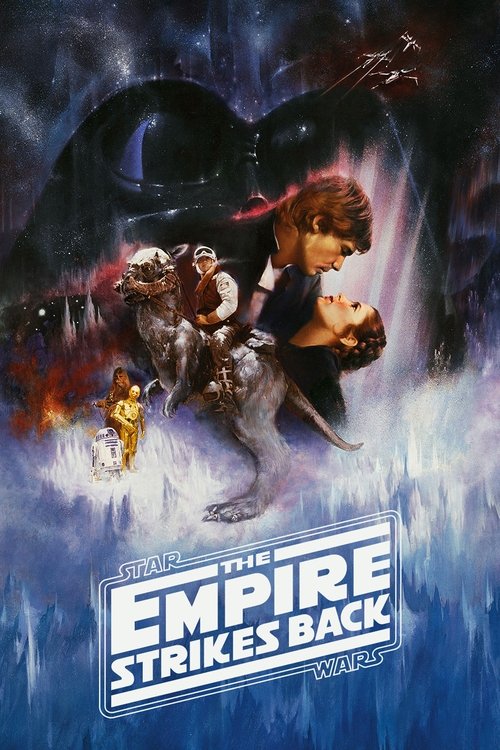
Although Guinness disliked the fame that followed and he did not hold the work in high esteem, Lucas and fellow cast members Mark Hamill, Harrison Ford, Carrie Fisher, Kenny Baker, and Anthony Daniels have spoken highly of his courtesy and professionalism, on and off the set. Lucas credited him with inspiring the cast and crew to work harder, saying that Guinness contributed significantly to achieving completion of the filming. Guinness was quoted as saying that the royalties he obtained from working on the films gave him "no complaints; let me leave it by saying I can live for the rest of my life in the reasonably modest way I am now used to, that I have no debts and I can afford to refuse work that doesn't appeal to me." In his autobiography, Blessings in Disguise, Guinness tells an imaginary interviewer "Blessed be Star Wars", regarding the income it provided. Guinness appeared in the film's sequels The Empire Strikes Back (1980) and Return of the Jedi (1983), as a force ghost apparition to the trilogy's main character Luke Skywalker.
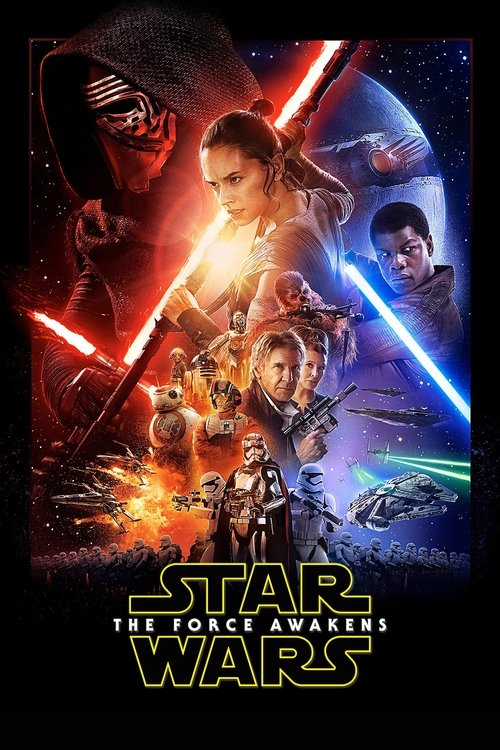
In 2003, Obi-Wan Kenobi as portrayed by Guinness was selected as the 37th-greatest hero in cinema history by the American Film Institute. Digitally altered archival audio of Guinness's voice was used in the films Star Wars: The Force Awakens (2015) and Star Wars: The Rise of Skywalker (2019).