Critical response
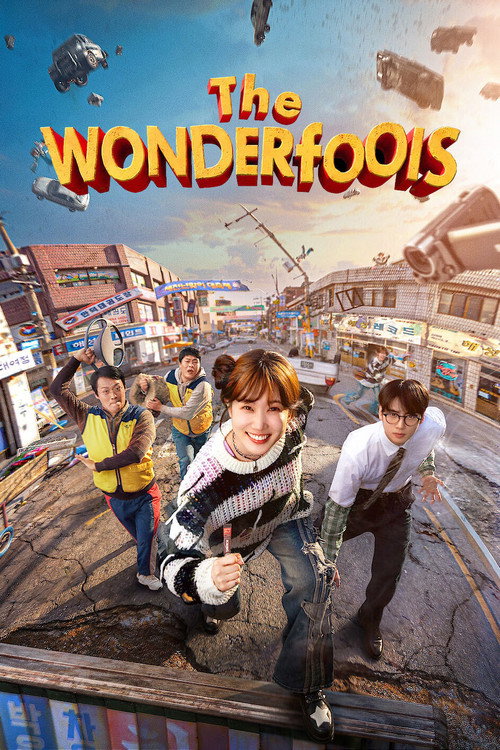
The Wonderfools received generally positive reviews from both domestic and international critics upon its release. On the review aggregator website Rotten Tomatoes, 100% of 6 critics' reviews are positive, with an average rating of 8.6/10. Reviewers frequently praised the series for its warm-hearted humanism, late-1990s nostalgia, and the strong chemistry of its ensemble cast, though opinions were divided regarding its early pacing and rapid tonal shifts. Writing for Decider, Joel Keller gave the series a "Stream It" recommendation, calling it a fun and funny show about reluctant superheroes despite the slow-burning first episode. But Why Tho? awarded the series an 8.5 out of 10, summarizing it as "so darn delightful" because it never takes itself too seriously. Variety India described it as "immensely watchable" despite a few flaws, highlighting its breezy, action-packed and comedy-filled nature as perfect light-hearted entertainment. Screen Rant awarded the series a 9/10, stating that it "breathes new life into the superhero genre" thanks to its instantly lovable and colorful characters, strong emphasis on personal growth, interconnected storylines, and efficient eight-episode structure.
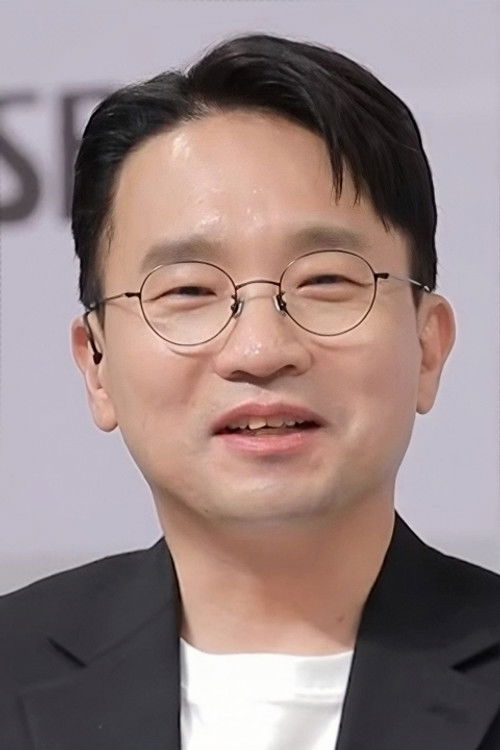
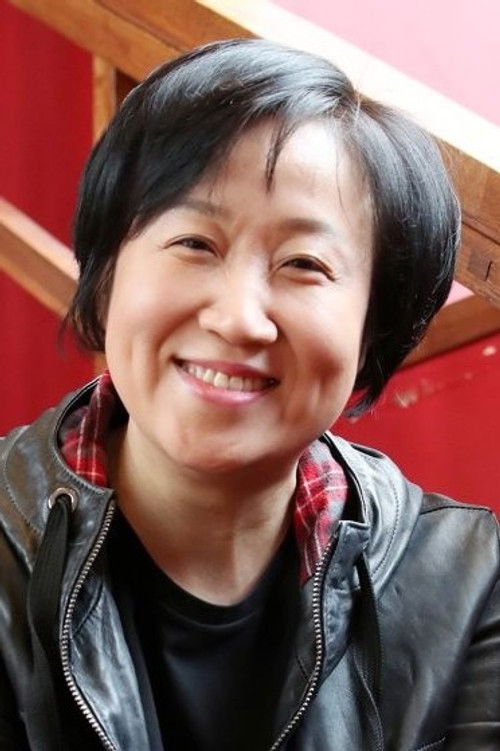
The series' narrative themes and direction were a primary focus of praise. OSEN highlighted that beneath its superhero premise, the show effectively depicts the growth of its main characters into a family-like team, allowing them to recover their self-esteem after previously being viewed as societal nuisances. Cine21 gave the series 3 out of 4 stars, describing it as "the birth of a K-hero series that can work in the global market", praising its mature industrial execution, the distinctive sense of space set in late-20th-century Korea, the combination of likable clumsy characters, and the effective humor that arises when extraordinary powers collide with everyday reality. TV Daily and the South China Morning Post echoed this sentiment, noting that the show delivers a deep sense of humanism and "fitfully entertaining fluff" by contrasting the bleak, apocalyptic anxieties of the late-20th-century Y2K panic with the pure-hearted solidarity of ordinary citizens fighting to protect their neighborhood. Journalist Kim Ji-hyun of TV Daily particularly praised rookie screenwriter Heo Da-joong, noting her excellent story structure and her ability to write perfectly timed humorous dialogues. Hankook Ilbo described the series as a "Korean version of Guardians of the Galaxy", praising its charm in placing flawed, minor characters — deeply rooted in Korean social realities — inside a popular superhero framework, creating unpredictable developments filled with B-grade humor and warm humanism. iMBC awarded the series 3 out of 4 stars, describing it as a warm story that comfortably embraces human flaws through the solidarity of its quirky characters. Director Yoo In-sik was also lauded for his direction; Ilgan Sports praised his rhythmic action sequences, particularly a long, one-take rescue scene, while IDN Times praised the distinct mise-en-scène, highlighting the fast camera movements, sudden close-ups, and whimsical sound design that enhanced the multi-layered comedic scenes. Digital Mafia Talkies compared the series favorably to Western sci-fi and superhero properties like Stranger Things and The Boys, writing that it avoided the narrative bloat of later seasons of those shows by prioritizing intimate character development over convoluted plotting. They also commended the grounded, impactful weight of the stunt work and superhero action, comparing its execution to early-2000s films like Hancock, Push, Chronicle, and Jumper. Screen Rant praised "The Wunderkinder" as effective and sympathetic antagonists who serve as a dark mirror to the main quartet, with tragic backstories intrinsically linked to Chae-ni and Un-jeong. The review also highlighted the strong visualization of the powers and action sequences, noting that characterization and emotion are never sacrificed for spectacle.
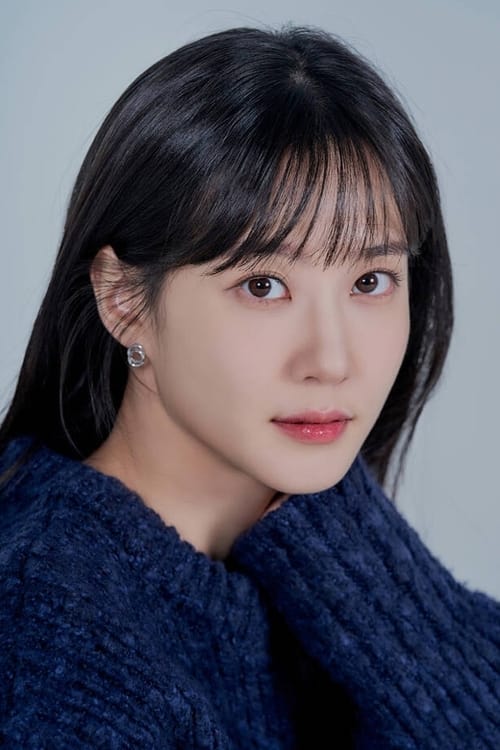
The performances of the cast received widespread acclaim. Park Eun-bin's performance was highlighted as the anchor of the series. Korean critics singled out her versatility, with Ilgan Sports terming her portrayal an "overwhelming one-woman show" that seamlessly navigated sudden shifts between comedy, action, and dramatic depth, while Hankook Ilbo commended her energetic and commanding screen presence. This sentiment was echoed by international outlets; the South China Morning Post highlighted her bold willingness to embrace an eccentric, unconventional comic style, and Digital Mafia Talkies praised her "Chaplin-esque" physical comedy and expressive range. Furthermore, India Today noted that Park successfully imbued her high-energy character with a distinct vulnerability, preventing the performance from becoming exhausting.
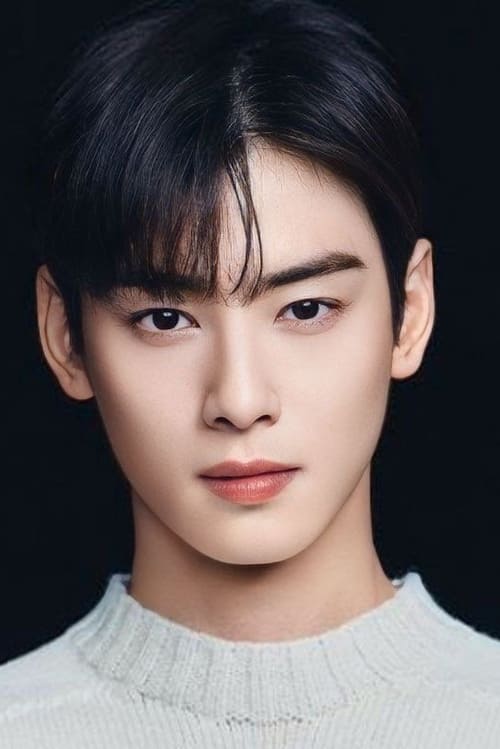
Cha Eun-woo's performance was praised as a mature step forward, groundedly sustaining the show's tonal balance. While pre-screening journalists and Korean critics from Delighti and Next Daily highlighted his restrained emotional range, stable breath control, and subtle micro-expressions to convey inner tension, reviewers from India Today and But Why Tho? commended his dry humor and effectiveness as the story's "straight man". Furthermore, Tatiana Hullender of Screen Rant noted that Cha successfully surprised audiences by portraying the character's morally ambiguous motivations with genuine emotional depth, while maintaining the narrative's central romantic aspects. Additionally, ITBizNews praised Cha's compelling screen presence, noting that his performance and dynamic with Park complemented the series' rapid rise to No. 1 on Netflix's "Now Trending" chart shortly after its release.
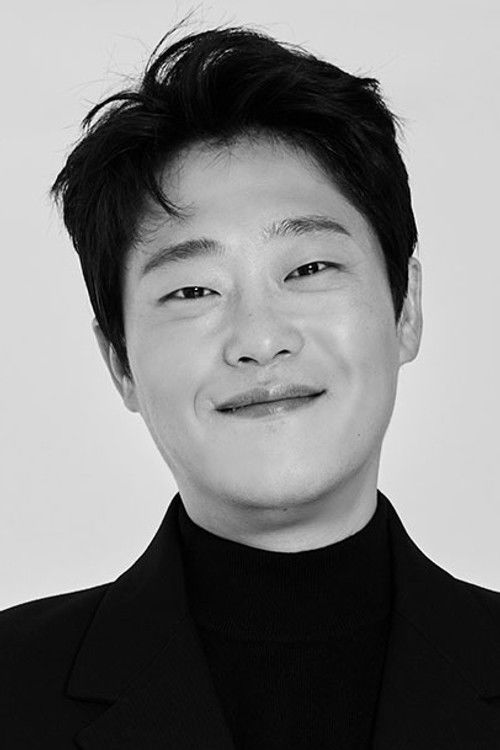
The comedic contributions of Choi Dae-hoon and Im Seong-jae were praised. The Fact and Hankook Ilbo noted that while the script's dialogue could have felt juvenile on paper, Choi and Im elevated the material through their natural ad-libs and realistic comedic timing, effectively serving as highlights of the series. Western outlets, such as Screen Rant and Midgard Times, concurred, commending the supporting cast for bringing an engaging energy and a compelling combination of humor and pathos to their respective roles.
While the series received generally positive reviews, some reviewers noted issues with the pacing, narrative structure, and tonal shifts. International outlets such as India Today and the South China Morning Post pointed out that the series sometimes shifts abruptly from slapstick comedy to heavier themes like childhood trauma, which occasionally made the tone feel uneven. Korean critics at OSEN and iMBC found the early episodes slow due to extensive exposition, while TV Daily and JoyNews24 felt that tension dropped in the later episodes. In contrast, Tatiana Hullender of Screen Rant praised the structure, writing that the series effectively balanced multiple plotlines and delivered a satisfying conclusion without narrative bloat.