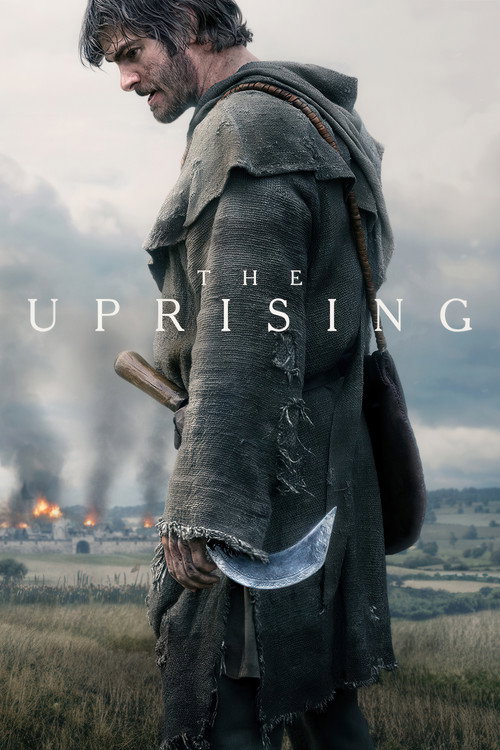





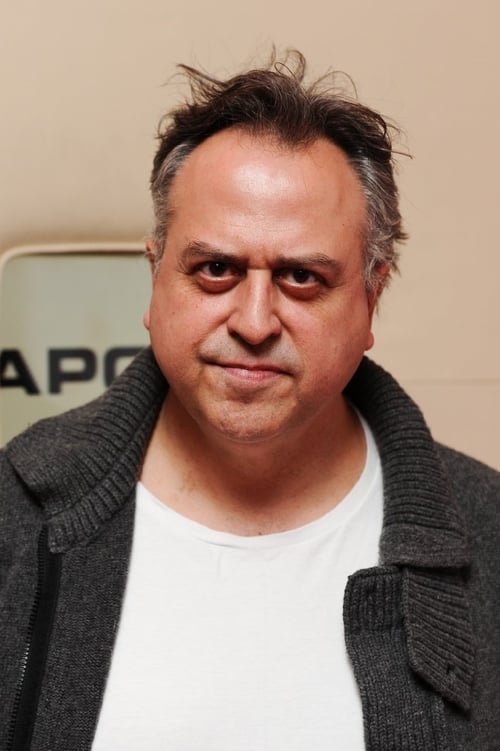


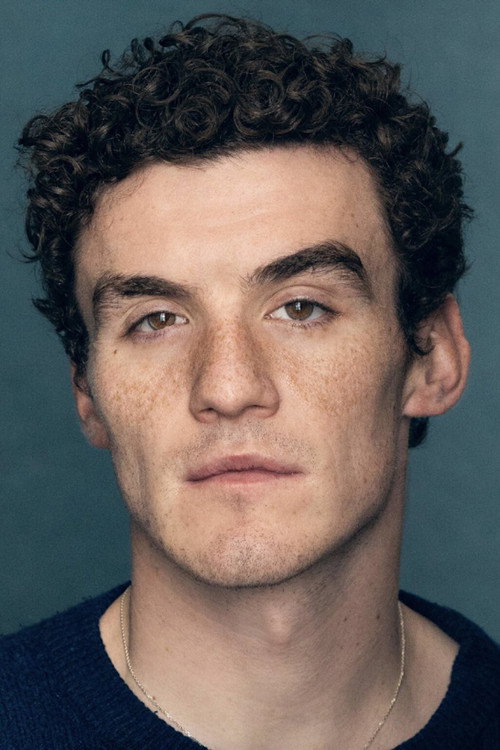

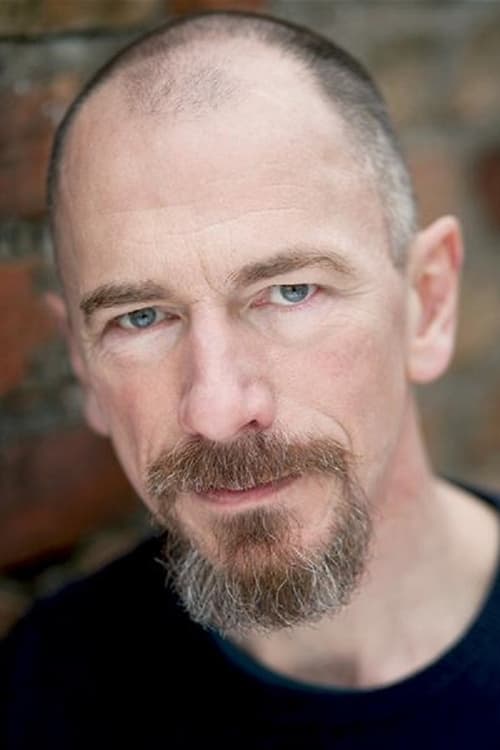
The Uprising (briefly marketed in the U.S. as The Uprising: The Rise of Robin Hood) is a 2026 action period drama film written, produced and directed by Paul Greengrass. It stars Andrew Garfield, Jamie Bell, Stephen Dillane, Tom Hollander, Cosmo Jarvis, Thomasin McKenzie, Jonny Lee Miller, Woody Norman and Katherine Waterston. It dramatises the 1381 Peasants' Revolt in England, with Bell and Jarvis portraying the revolt's main leaders, John Ball and Wat Tyler, respectively.
Although the film never uses the name of the English folkloric outlaw Robin Hood, its brief epilogue, set one year after the majority of the story, depicts Garfield's character, Ploughman, as the Robin Hood-like leader of a band of green-clothed, forest-dwelling, bow-wielding outlaws. Shortly before the film's U.S. release date, its U.S. distributor Focus Features abruptly began to market it as a Robin Hood origin story without the approval of the U.K. distributor Entertainment Film Distributors; this led to backlash and confusion about the film's subject.
The film was released theatrically in the United States on September 10, 2026 and is scheduled to be released in the United Kingdom on October 9. It received mixed reviews from critics, who praised its performances, action sequences, and contemporary social relevance, but criticized its bleak tone and aesthetics, Greengrass' signature handheld shaky camera style, and the Robin Hood-inspired epilogue.
Contents
Plot
In 1381, in the wake of the Black Death that killed half the population, England is effectively ruled by the council of Richard II, who at 14 years old is too young and too disturbed by terrifying nightmares of mobs of demons to rule on his own. The kingdom needs more revenue, necessitating an increase in taxes. The council determines that taxing the Church or the merchant class is politically untenable, so they will increase taxes on the peasantry.
A ploughman, who lost his wife and two children to the plague while surviving it himself, comes to town to pay his annual taxes. The townspeople complain to the tax collector that taxes have been raised to the point that they can no longer survive on their remaining yield. The collector demands that the Ploughman pay death taxes again on his family since he lacks documentation of their death seven years prior. After seeing soldiers forcibly examine young women's genitals to determine if they should be taxed as children or adults, the Ploughman accosts the tax collector and kills a soldier who tries to arrest him.
The Ploughman's actions inspire peasant revolts across England, which come to be led by the Ploughman; Wat Tyler, who served the king's late father in the military; and John Ball, a priest with egalitarian views who was branded a heretic by the Church and imprisoned before being freed by the rebels.
The rebels decide they will march to London to petition the king, who they see as just and fair but held hostage by his council. At the advice of the council, the king, who sees the rebels as his nightmare come true, takes a boat down the River Thames to present himself to the rebels from a distance, but does not personally meet them or hear their petition, and in response the rebels march on and sack London. With the king's armies still days away, having to be recalled from campaigns in Scotland and France, the council persuades him to accept the rebels' demands to convince them to disperse, and then have his armies slaughter them when they least expect it.
The king meets the rebels and tells them he will grant them self-determination and clemency at the Priory of St. John the next day, and in the meantime they may seek justice against his council, who they see as traitors. The members of the council are captured by a mob and beheaded in the streets. The night progresses into looting and the beheading of merchants, to the horror of the Ploughman, Tyler, and Ball, who struggle to control the mob.
Cast
Andrew Garfield as Ploughman
Jamie Bell as John Ball
Stephen Dillane as Simon Sudbury
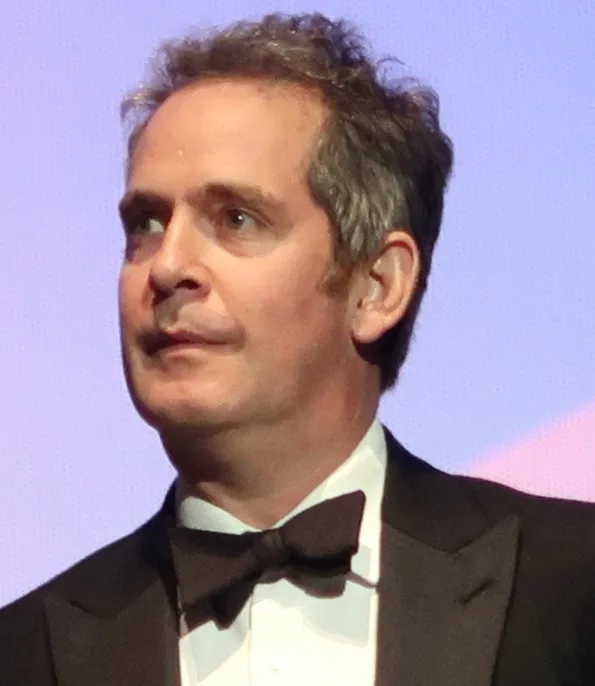
Tom Hollander as Sir Robert Hales
Cosmo Jarvis as Wat Tyler
Thomasin McKenzie as Alyce
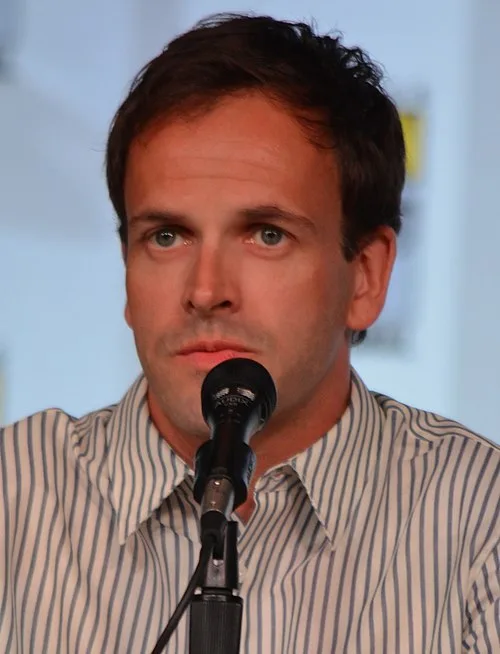
Jonny Lee Miller as William Walworth
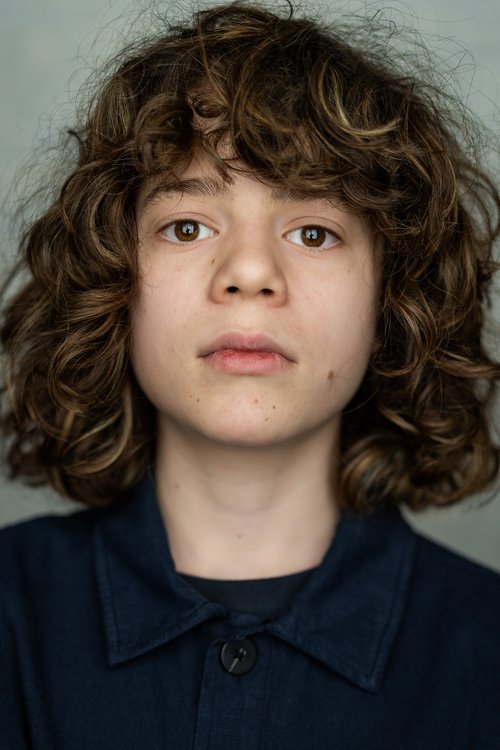
Woody Norman as Richard II of England
Katherine Waterston as Joan of Kent
Stanley Townsend as Robert Bealknap
Gerald Tyler as Thomas Beauchamp, 12th Earl of Warwick
Simon Kunz as Sir John Newton
Sky Yang as The Scribe
Jamie Maclachlan as Walworth's lieutenant
Dónal Finn as a village priest
Production
In May 2022, Deadline Hollywood reported that Paul Greengrass would be writing and directing The Hood, with Benedict Cumberbatch cast to star in the film, and with FilmNation Entertainment producing it alongside Tyler Thompson, who would also serve as producer under the Cross Creek Pictures banner.
No further announcements were made on the project until February 2025, when it was announced that the film was retitled The Rage and Matthew McConaughey was set to star in the film instead of Cumberbatch. Jason Blum joined the project as a producer through his Blumhouse Productions banner, replacing Tyler Thompson and Cross Creek Pictures which had dropped the feature. By May, McConaughey had departed the film, and Andrew Garfield was in negotiations to take on the lead role while Focus Features was nearing a deal estimated at around $11 million for domestic distribution rights. In June 2025, Thomasin McKenzie was rumoured to have joined the cast. On September 4, it was officially announced that Katherine Waterston and Andrew Garfield had been cast. On October 13, the film was retitled The Uprising, and it was officially announced that Jamie Bell, Thomasin Mckenzie, Cosmo Jarvis, Jonny Lee Miller and Woody Norman had been cast. On October 20, it was officially announced that Stephen Dillane, Tom Hollander, Stanley Townsend and Sky Yang had been cast.
Filming
Principal photography took place from September to November 2025, utilising up to 5,000 extras in total.
Filming primarily was conducted across the Upper Bavaria and Franconia regions in Germany. Key filming locations included:
Upper Bavaria
Penzing Studios
Franconia
Nuremberg
Lichtenau Fortress (Festung Lichtenau)
Franconian Open-Air Museum (Fränkisches Freilandmuseum)
Bad Windsheim
Marketing
The film was initially marketed in both the U.S. and U.K. under the title The Uprising as a realistic historical drama based on the 1381 Peasants' Revolt, and the early promotional materials for the film gave no indication that it was about Robin Hood. Then, on August 20 (only three weeks before the film's scheduled U.S. release date), the film's U.S. distributor Focus Features released a new trailer that unexpectedly changed the title of the film to The Uprising: The Rise of Robin Hood and featured clips of Garfield's character dressed in green, wearing a mask, and wielding a bow, implying that he was Robin Hood. Alongside this trailer, Focus Features released a new synopsis: "Set against the true events of the Uprising that helped inspire the legend of Robin Hood, [Andrew Garfield's character] forms an army of the people to face the King's might in a fight for justice."
By contrast, the film's U.K. distributor, Entertainment Film Distributors, issued a conflicting statement: "The Uprising is a historical epic about the Peasants' Revolt of 1381, not Robin Hood. The UK marketing campaign does not make any reference to Robin Hood. Marketing materials posted by other countries that may appear in the UK online and on social media referencing Robin Hood are not issued or approved by us."
The conflicting marketing campaigns led to widespread confusion about the title and subject matter of the film. The Guardian labelled the situation a "marketing meltdown," while The Independent described the rebranding as "bizarre." Social media users and news outlets alike criticised the attempt to incorporate Robin Hood into the story. Some said that it would be anachronistic for Robin Hood to appear in a film set in 1381, since Robin Hood is already mentioned in the Piers Ploughman (which was most likely composed in the 1370s, before the Peasants' Revolt), and previous Robin Hood adaptations had generally set the story in the late twelfth century during the reign of Richard the Lionheart (nearly two centuries earlier). Others said that the Robin Hood connection was unlikely to help the film succeed, given that there had already been many previous Robin Hood adaptations, including The Death of Robin Hood, which had underperformed at the box office in June 2026. By contrast, many viewed the story of the Peasants' Revolt (which had never before received a film adaptation) as exciting and contemporarily relevant on its own.
Release
The Uprising was released in the United States on September 10, 2026, pushed up by a day from its original date of September 11. Originally scheduled for a theatrical release in the United Kingdom on September 11 as well, Entertainment Film Distributors subsequently postponed its release to October 9 instead.
Reception
Box office
In the United States and Canada, The Uprising was released alongside Practical Magic 2, Hope, Runner, and Oasis: Don't Look Back in Anger, and is projected to gross around $5 million from
2,055 theaters in its opening weekend.
Critical response
On the review aggregator website Rotten Tomatoes, 53% of 66 critics' reviews are positive, with an average rating of 6/10. Metacritic, which uses a weighted average, assigned the film a score of 56 out of 100, based on 29 critics, indicating "mixed or average" reviews. Audiences polled by CinemaScore gave the film an average grade of "B–" on an A+ to F scale.
In a mixed review for Variety, Michael Phillips described The Uprising as "a well-acted blur of fits and starts"; he praised Garfield, Waterston, McKenzie, and Bell's acting, but criticized the attempt to tie the film into the Robin Hood legend and described Greengrass's "shaky" camera style and use of panoramic drone shots as distracting and unsuited to the historical subject of the film. In a review for Collider, Meredith Loftus described The Uprising as "a well-made historical drama with pertinent themes," but criticized Focus Features' decision to market it as a Robin Hood film, writing, "Rather than letting it stand on its own, the new tagline suggests that the studio doesn't trust its audience to see it without obvious IP at the forefront."
In a review for The Wrap, William Bibbiani characterized The Uprising as a strong film with a powerful emotional story arc and fitting initial conclusion that was completely ruined by its Robin Hood-inspired epilogue, which he perceived as having been spuriously tacked on to give the otherwise bleak film a more upbeat ending to appease studio executives, similar to the ending of F. W. Murnau's The Last Laugh, writing, "The Uprising is such a tragic rug pull, sullying its hard-earned good will at the last possible minute, that it's hard to appreciate anything that happened before the disappointment sank in." In a review for Daily Express, George Simpson echoed this sentiment, praising the main characters' acting and the action sequences, but describing the epilogue as "bizarre" and "anachronistic."
In a positive review for Deadline, Pete Hammond praised The Uprising as "crackerjack action film," with a "roaring" pace, a "well chosen" cast, and "top drawer" production values. He also highlighted the film's contemporary resonance, saying that the film's setting shortly after the Black Death parallels its release date shortly after the COVID-19 pandemic, while its depiction of corrupt oligarchs using their positions to enrich themselves while oppressing the peasantry echoes growing wealth inequality in the present day. In a largely positive review for CBR, Rachel Leishman praised the film's whole cast as "absolutely stellar," its action sequences as "elevat[ing]," and Greengrass's camera style as "feel[ing] like the HBO series Succession," but she criticized the film for not having enough Robin Hood in it, writing, "the movie overall could have benefited from more men in tights."