.jpg?width=400)

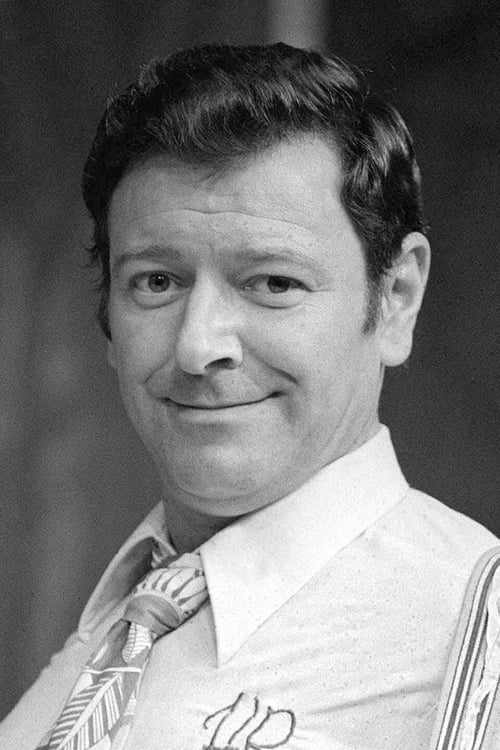
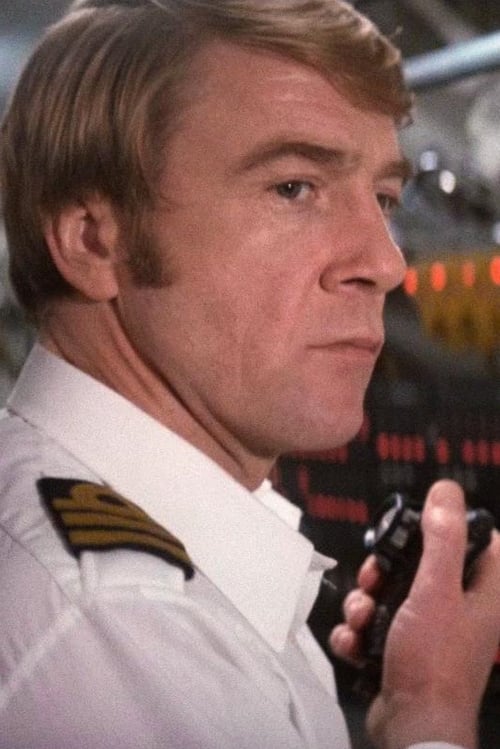
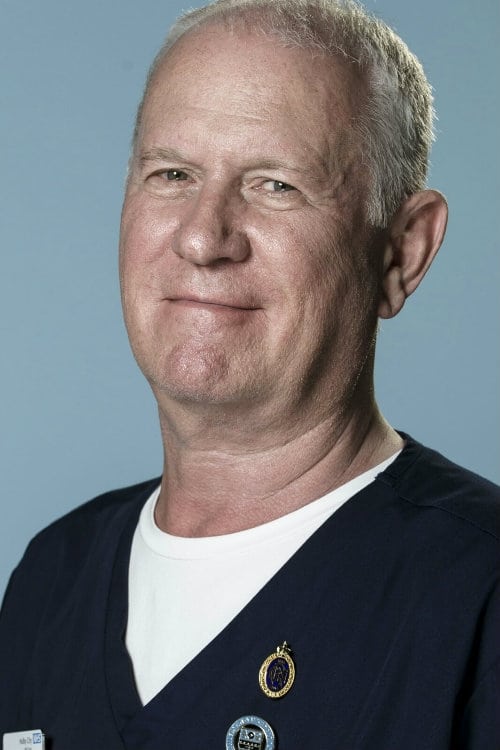
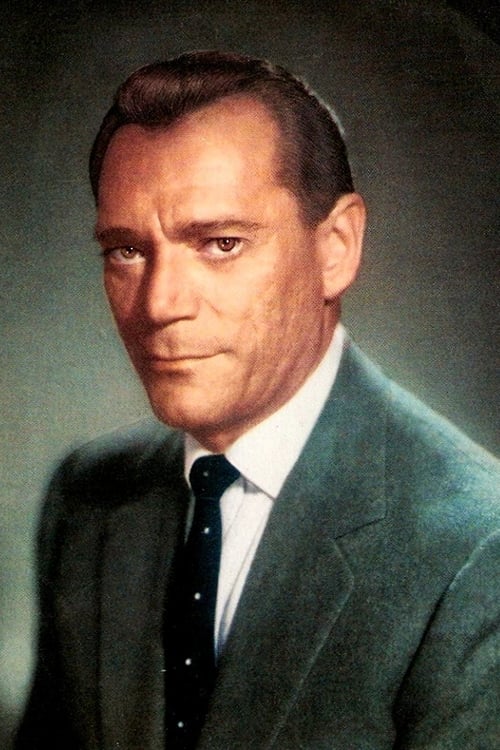
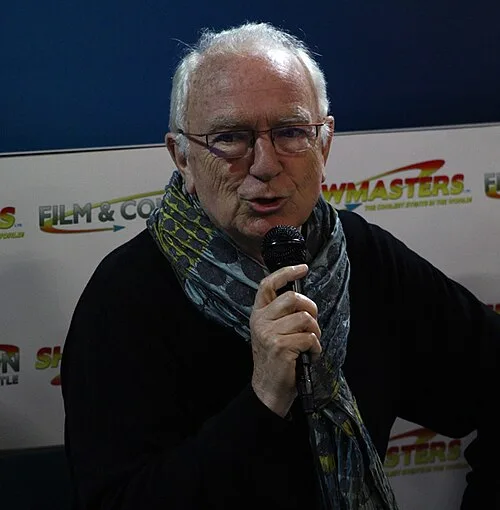
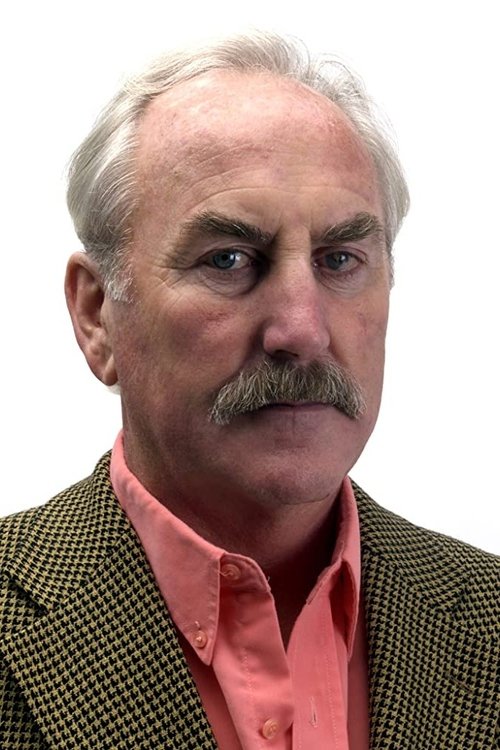
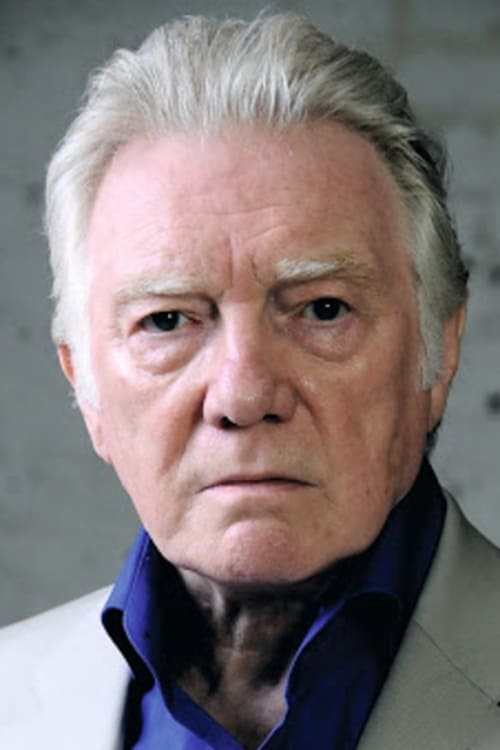
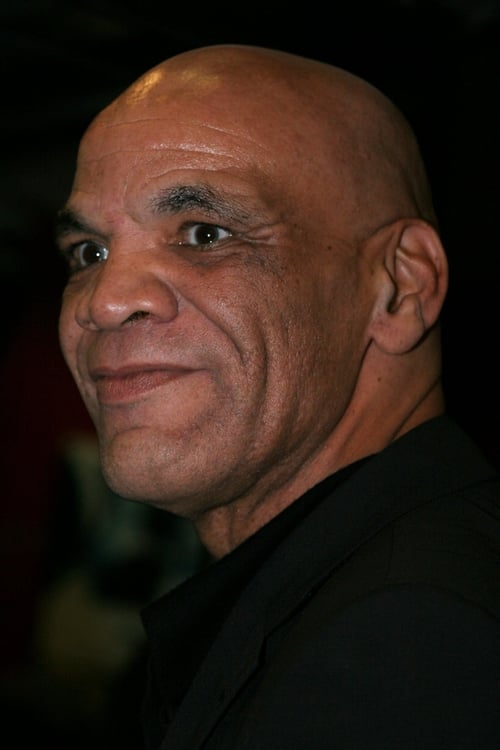
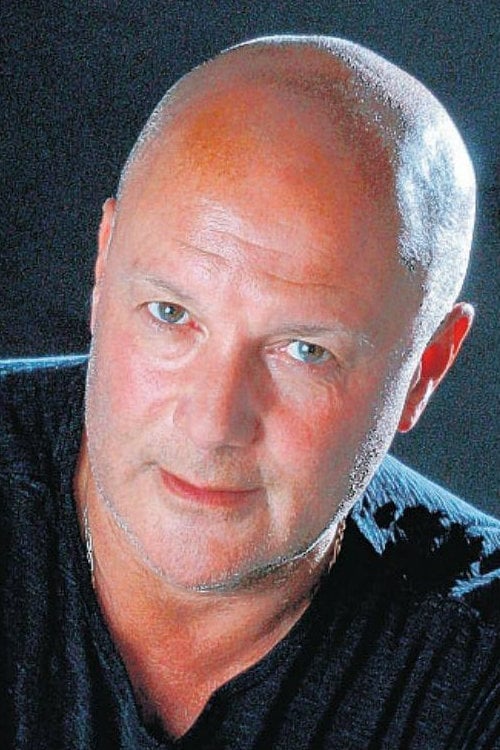
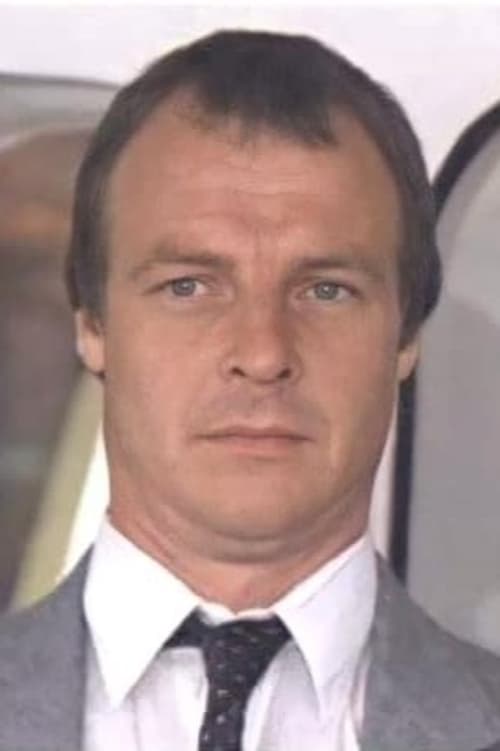
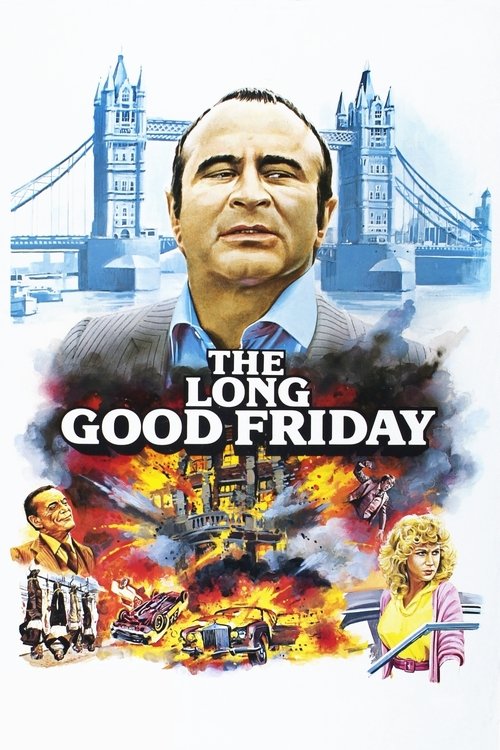
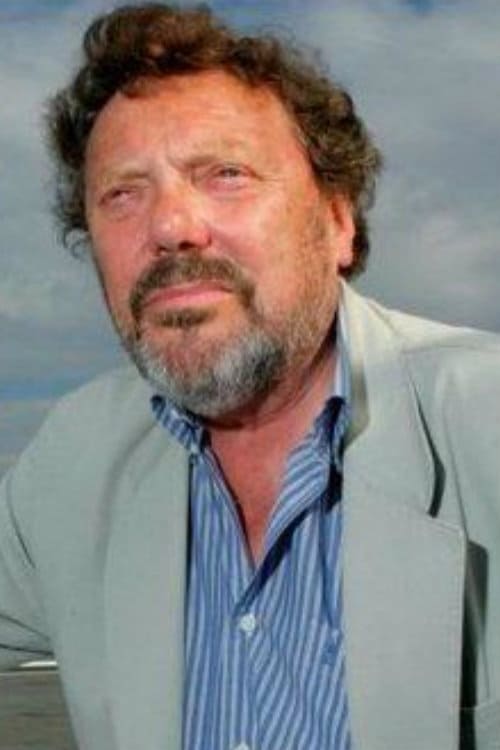
The Long Good Friday is a 1980 British gangster film directed by John Mackenzie from a screenplay by Barrie Keeffe. Starring Bob Hoskins and Helen Mirren, the film, set in London, weaves together events and concerns of the late 1970s, including mid-level political and police corruption and IRA fund-raising. The supporting cast features Eddie Constantine, Dave King, Bryan Marshall, Derek Thompson, P. H. Moriarty, Paul Freeman and Pierce Brosnan in his film debut.
The film was completed in 1979, but because of delays, it did not have a general release until early 1981. It received overwhelmingly positive reviews from critics, and gave Hoskins his breakthrough – he was nominated for the BAFTA Award for Best Actor in a Leading Role and won an Evening Standard Film Award for his performance as gangster Harold Shand.
The Long Good Friday is recognised as an all-time cinema classic. It placed number 21 on the British Film Institute's Top 100 British films list, and Empire ranked it 19th on their list of the 100 best British films.
Contents
Plot
A man, Colin, delivers a large sum of cash to an unknown recipient in Belfast, by suitcase, in the process helping himself to some of the cash. Colin then goes to a bar with his driver Phil, where he picks up a young man. As the recipients of the cash counts the money in a country farmhouse, searching for the missing amount that Colin took, uniformed gunmen attack them. Back at the bar, the young man Colin has picked up goes out to the car with Phil, where they are immediately ambushed and abducted. Colin emerges from the bar moments later to find them both gone. Phil and the young man Colin had picked up are both killed and dumped out of the car on a country road.
Back in London, Phil's body is delivered by train. As his widow travels through London by car she sees a man, Jeff, sitting in the outdoor seating area of a restaurant having lunch with a corrupt councillor, Councillor Harris. She gets out and spits on him. Jeff is Harold Shand's right-hand man. The spitting incident is witnessed with concern by Razors, Harold Shand's driver and enforcer. Harold Shand is a London firm gangster who aspires to become a legitimate businessman. Shand returns from a trip to the USA on Concorde, and is met by Jeff at Heathrow airport. Razors then takes Shand's mother in Harold's Rolls Royce to church to mark Good Friday, while Harold and his girlfriend Victoria hold a party on their boat by Tower Bridge for various London politicians, officials and policeman, designed both to curry favour for a casino project Harold wants to develop, and impress the arriving American businessmen Harold is trying to persuade to invest in his concept for the redevelopment of the London Docklands. Colin meanwhile is at a swimming pool where a young man flirts with him; however the man is an assassin who, with an accomplice, kills Colin by stabbing him in the showers.
As Harold's driver starts the Rolls Royce outside the church, waiting to collect Harold's mum, a car bomb goes off and the car explodes, killing the driver, Eric. Unaware that a campaign against him has started, Harold continues holding his party on the boat. Coming on too brash and pushy, Harold has already got off on the wrong foot with Charlie, one of the two American businessman with whom he hopes to do business, while his girlfriend Victoria, cultured and erudite, works to smooth relations. Charlie notes that leaving his hat on the bed in his cabin on the boat is a bad omen. When Harold's boat has arrived and moored in the Docklands, and the guests have departed, he is informed of the car explosion, and is apoplectic. Harold immediately demands answers as to who could be behind the explosion, asking for Colin, his long-term friend and close accomplice. Harold is soon informed that Colin has been killed, and goes directly to the swimming pool, shocked to see Colin's bloodied, lifeless body. Harold arranges for the crime scene to be covered up, and Colin's body to be discreetly transported from the pool.
Production
Development
Barrie Keeffe later said he wrote the film "on a whim" after looking at the movie section on a long weekend and not seeing any films he wanted to watch; he thought about what movie he would watch, and came up with an English gangster picture. Keeffe went out to dinner with Barry Hanson, who had produced a play of Keeffe's for television, and Hanson was enthusiastic about the idea of a British gangster movie.
A drive around the London Docklands inspired Keeffe to use that as a setting for his gangster hero, Harold Shand. The plot about American financiers was based on attempts by the Kray brothers to get the Mafia to invest in Britain. A visit to an Irish pub led to Keeffe coming up with the idea of the IRA clashing with a gangster.
The original title was The Paddy Factor. Hanson worked for Euston Films, a subsidiary of Thames Television. Euston did not make the film, but Hanson bought the rights for his own company, Calendar Films.
Hanson designed the film for the cinema and all contracts were negotiated under a film, not a TV, agreement, but the production was eventually financed by Black Lion, a subsidiary of Lew Grade's ITC Entertainment for transmission via Grade's ATV on the ITV network. The film was commissioned by Charles Denton, at the time both programme controller of ATV and managing director of Black Lion.
Cast
Although he wasn't a big star at that time, the role of Harold Shand was written with Bob Hoskins in mind. The role was Hoskins' breakout role and made him a star.
The film established Helen Mirren as a British film star.
The Long Good Friday was the film debut of Pierce Brosnan, then 25. It was also the final role of George Coulouris.
Filming locations
St Katharine Docks
Civic Centre, Dagenham
Isle of Dogs
Heathrow Airport
Paddington tube station
Savoy Hotel
Morden Swimming Baths, Morden, Surrey
The Salisbury pub, Harringay
Harringay Stadium
St George in the East
Ladywell Leisure Centre, Lewisham
St Patrick's Catholic Church, Wapping
Wandsworth Town Hall, Wandsworth
No.1 London Wall
Reception
Release and Box office
The film screened at the Cannes, Edinburgh and London Film Festivals in 1980. After Grade saw the finished film, he allegedly objected to what he saw as its glorification of the IRA. He was also concerned about the IRA attacking any cinemas where the film played.
The film was scheduled to be televised with heavy cuts on 24 March 1981. Because of the planned cuts, in late 1980, Hanson attempted to buy the film back from ITC to prevent ITV from screening the film. The cuts, he said, were "execrable" and yielded "about 75 minutes of film that was literal nonsense". Before the planned ITV transmission, George Harrison's company, HandMade Films, bought the rights to the film from ITC for around £200,000 less than the production costs. It gave the film a cinema release. (The company would later do this for another Mackenzie film, A Song of Freedom.)
According to Colin Dunn of Handmade Films, the film came close to breaking even on the British market, "but not close enough: you’ve really got to go some with this territory for a film to be viable."
Critical
On Rotten Tomatoes, the film has an approval rating of 97% based on 31 reviews, with an average rating of 8.10/10. The website's critical consensus reads "Bob Hoskins commands a deviously sinister performance in The Long Good Friday—a gangster flick with ferocious intelligence, tight plotting, and razor-edged thrills." Roger Ebert gave a glowing review, calling it an 'amazing piece of work'. Leslie Halliwell stated: "Heavily melodramatic stylish updating of Scarface in a London East End setting. A critical success despite vicious detail and IRA plot involvement." Leonard Maltin wrote that the film "takes its rightful place with the best gangster movies of all time. Hoskins, brilliant as underworld entrepreneur, is matched by Mirren as subtly sexy mistress."
Legacy
The Long Good Friday is regarded as a classic, and one of the best British films ever made. It was number 21 on the British Film Institute's list of the "BFI Top 100 British films" list. In 2010, The Guardian ranked it the 20th best crime film of all time. In 2016, Empire ranked The Long Good Friday 19th on its list of "The 100 Best British films".
Unproduced sequel
Keeffe wrote a sequel, Black Easter Monday, set 20 years after the events of the first film. It opens with Shand escaping from the IRA after police pull his car over. Shand retires to Jamaica, then returns to stop the Yardies from taking over the East End. The film was never made. In one of his last interviews, Keeffe seemed unconcerned by that: "In some ways, I’m glad we didn't, because sequels are usually diminishing returns. To put it up there with Casablanca, no one wants Casablanca II."


