Critical reception
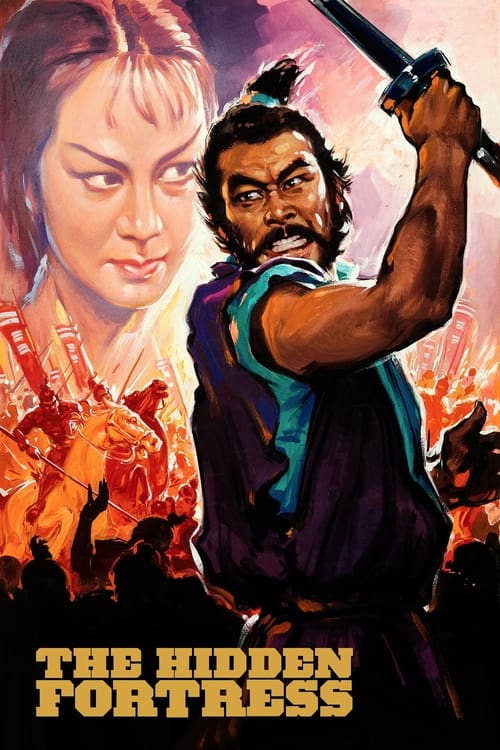
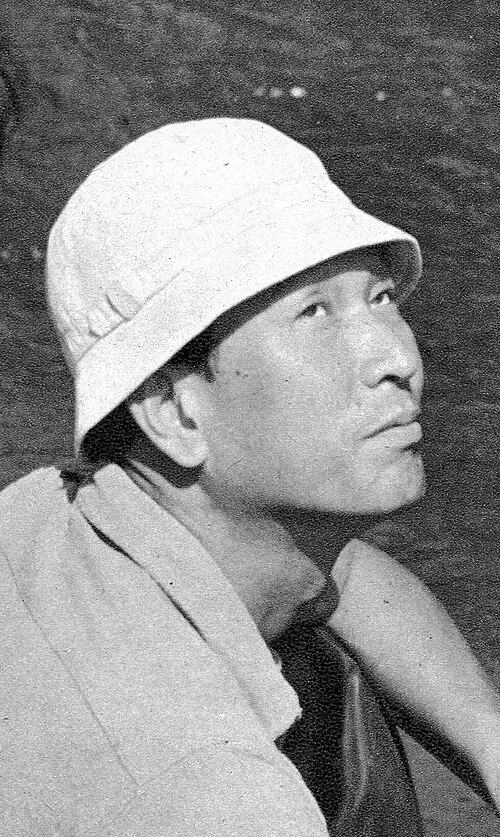
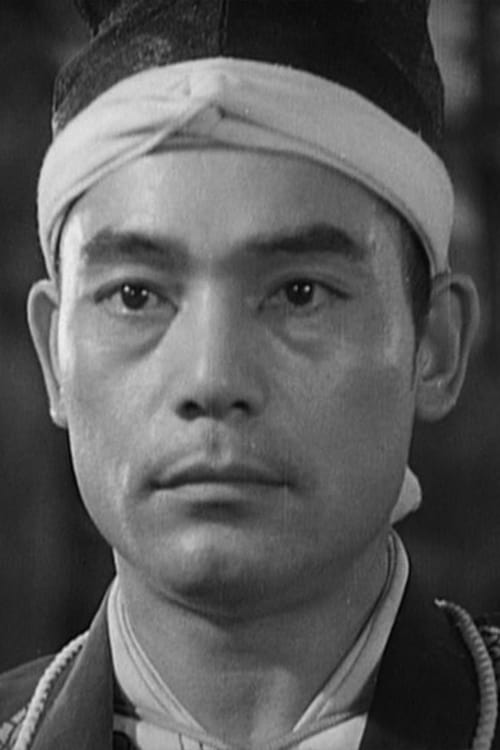
In a 1957 review, Variety called it "a long, interesting, humour-laden picture in medieval Japan". Performances of the lead actors, Kurosawa's direction and Ichio Yamazaki's camerawork were praised.
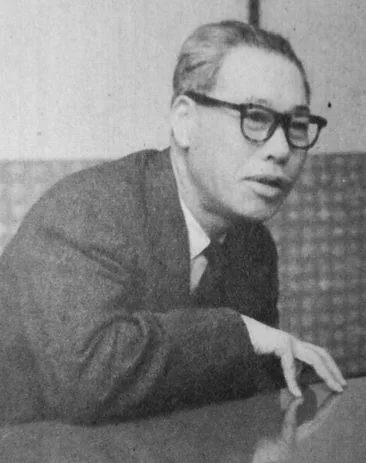
An article published in The New York Times on January 24, 1962, featured a review of the film by journalist Bosley Crowther, who called The Hidden Fortress a superficial film. He said that Kurosawa, "the Japanese director whose cinema skills have been impressed upon us in many pictures, beginning with "Rashomon", is obviously not above pulling a little wool over his audiences' eyes — a little stooping to Hollywoodisms — in order to make a lively film." Crowther further opined that "Kurosawa, for all his talent, is as prone to pot boiling as anyone else."
Writing for The Criterion Collection in 1987, David Ehrenstein called it "one of the greatest action-adventure films ever made" and a "fast-paced, witty and visually stunning" samurai film. According to Ehrenstein:
The battle on the steps in Chapter 2 (anticipating the climax of Ran) is as visually overwhelming as any of the similar scenes in Griffith's Intolerance. The use of composition in depth in the fortress scene in Chapter 4 is likewise as arresting as the best of Eisenstein or David Lean. Toshiro Mifune's muscular demonstrations of heroic derring-do in the horse-charge scene (Chapter 11) and the scrupulously choreographed spear duel that follows it (Chapter 12) is in the finest tradition of Douglas Fairbanks. Overall, there’s a sense of sheer "movieness" to The Hidden Fortress that places it plainly in the ranks of such grand adventure entertainments as Gunga Din, The Thief of Baghdad, and Fritz Lang's celebrated diptych The Tiger of Eschnapur and The Hindu Tomb.
David Parkinson of the Empire on a review posted on January 1, 2000, gave the film four out of five stars and wrote "Somewhat overshadowed by the likes of Seven Samurai, this is a vigorously played, meticulously staged adventure. It's not top drawer, but still ranks among the best of Kurosawa's minor masterpieces."
Writing for The Criterion Collection in 2001, Armond White said "The Hidden Fortress holds a place in cinema history comparable to John Ford's Stagecoach: It lays out the plot and characters of an on-the-road epic of self-discovery and heroic action. In a now-familiar fashion, Rokurōta and Princess Yuki fight their way to allied territory, accompanied by a scheming, greedy comic duo who get surprised by their own good fortune. Kurosawa always balances valor and greed, seriousness and humor, while depicting the misfortunes of war."
Upon the film's UK re-release in 2002, Jamie Russell, reviewing the film for the BBC, said it "effortlessly intertwines action, drama, and comedy", calling it "both cracking entertainment and a wonderful piece of cinema."
Peter Bradshaw of The Guardian made a review on February 1, 2002. According to him:Revered now as an inspiration for George Lucas, Kurosawa's amiable, forthright epic romance happens on a scorched, rugged landscape which looks quite a lot like an alien planet. At other times, the movie plays like nothing so much as a roistering comedy western. But it has a cleverly contrived relationship between the principals, including a fantastically brash and virile Toshiro Mifune. The comedy co-exists with a dark view of life's brevity, and Kurosawa devises exhilarating setpieces and captivating images. Arthouse classics aren't usually as welcoming and entertaining as this.
On review aggregator Rotten Tomatoes, the film holds an approval rating of 96% based on 51 critic reviews, with the consensus, "A feudal adventure told from an eccentric perspective, The Hidden Fortress is among Akira Kurosawa's most purely enjoyable epics."