




_(cropped).jpg?width=400)
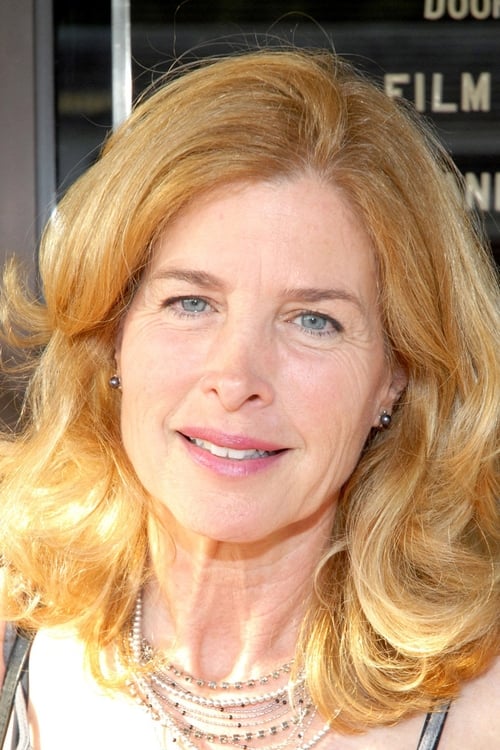
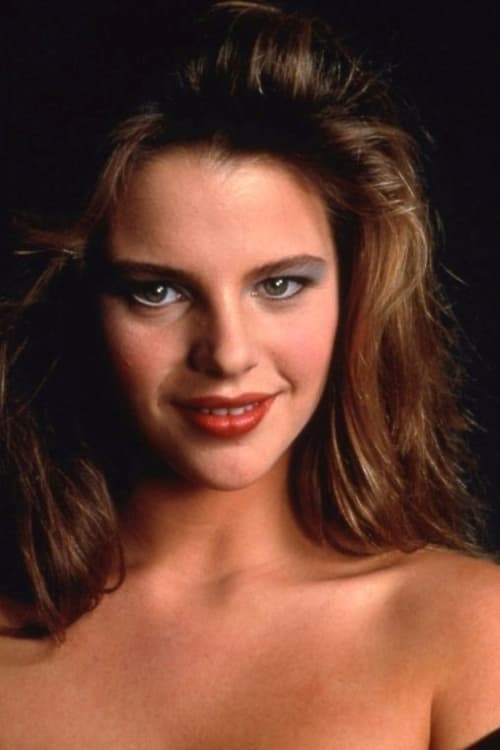
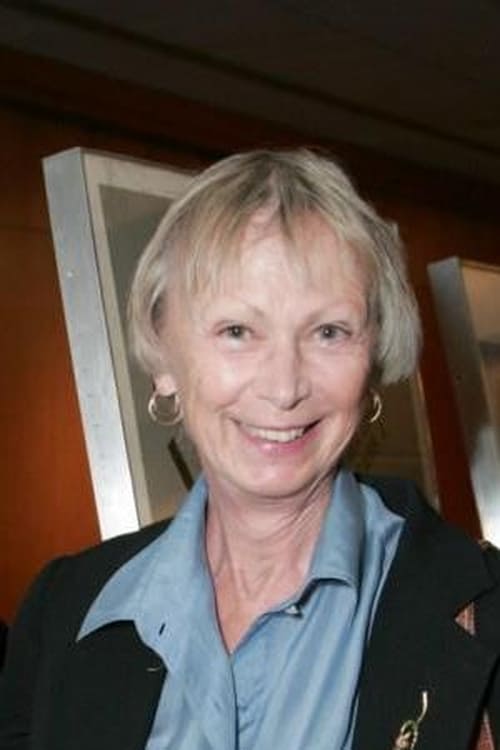
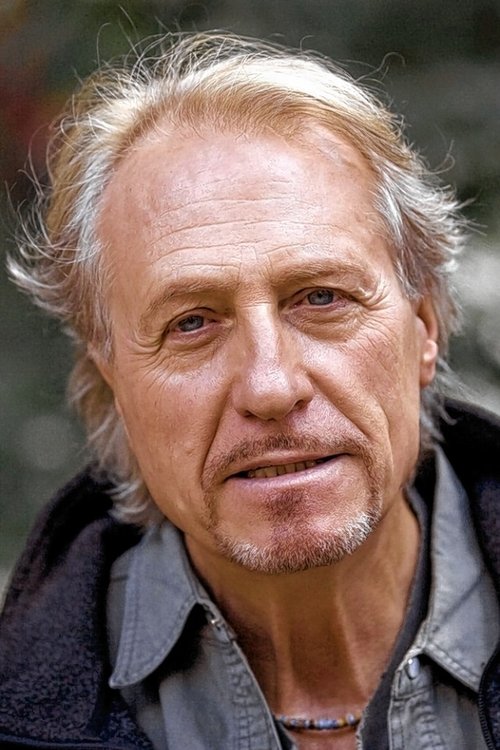
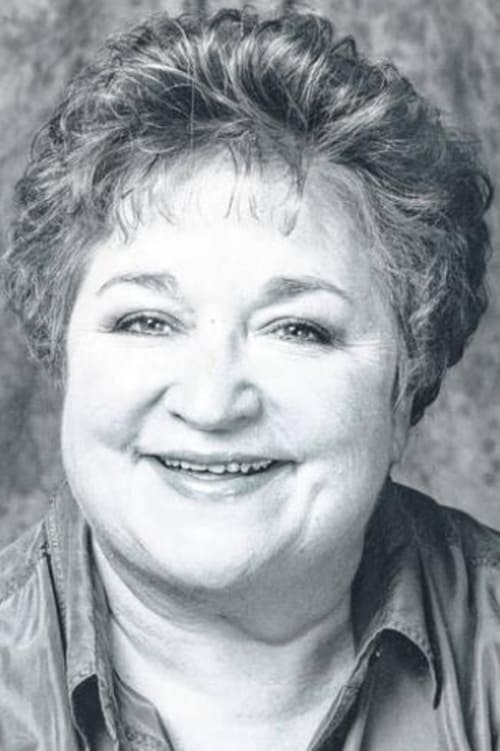
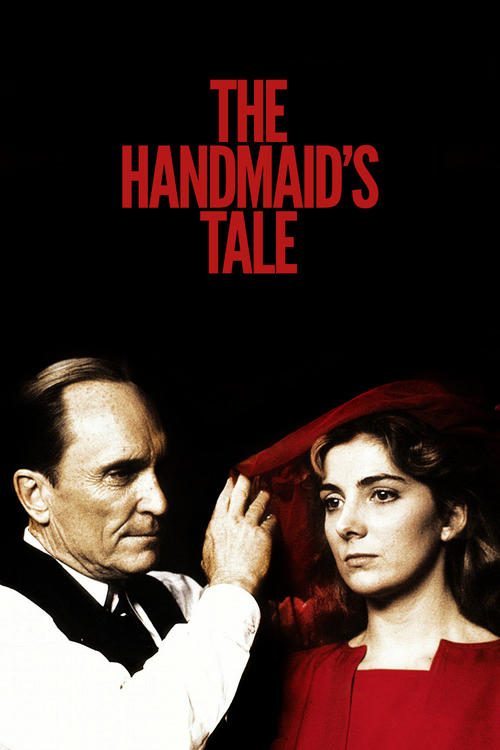
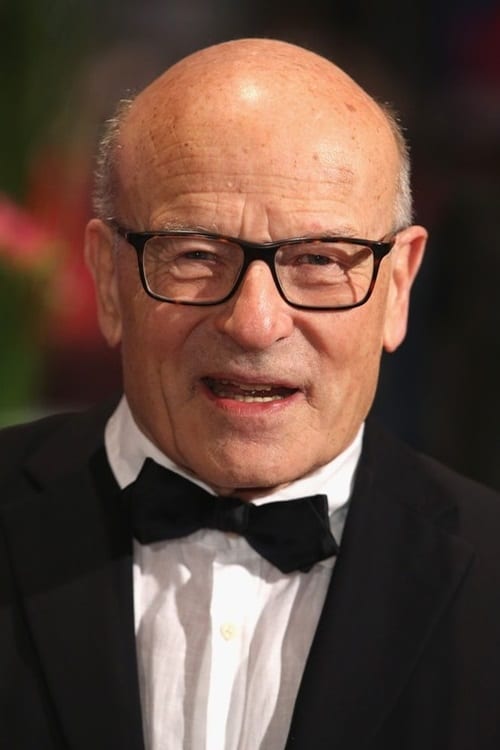
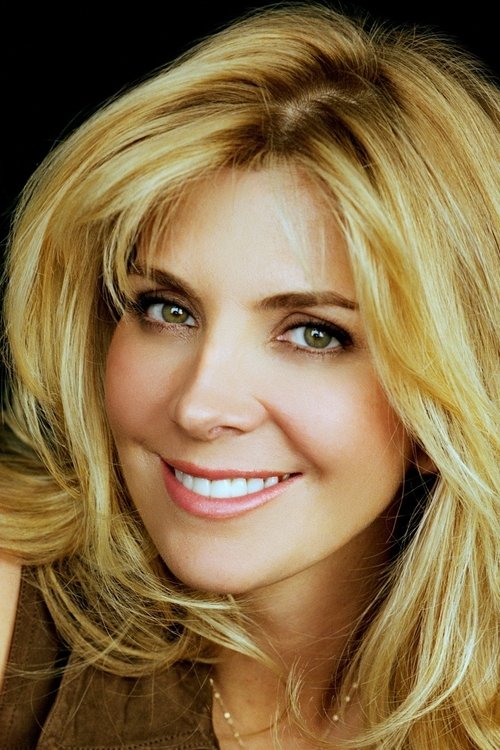
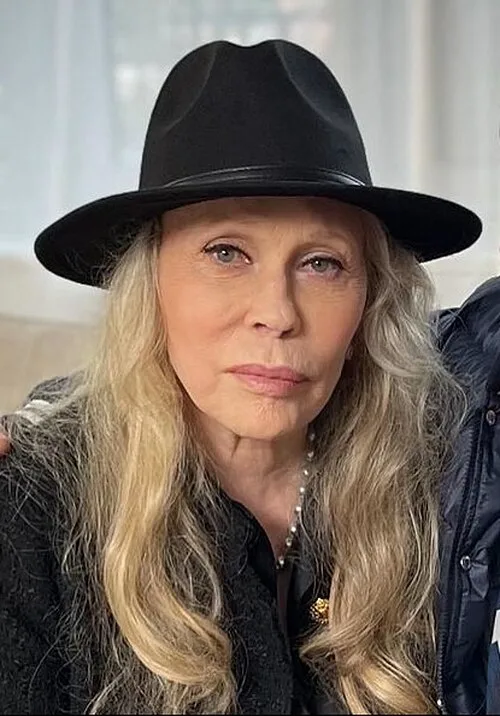
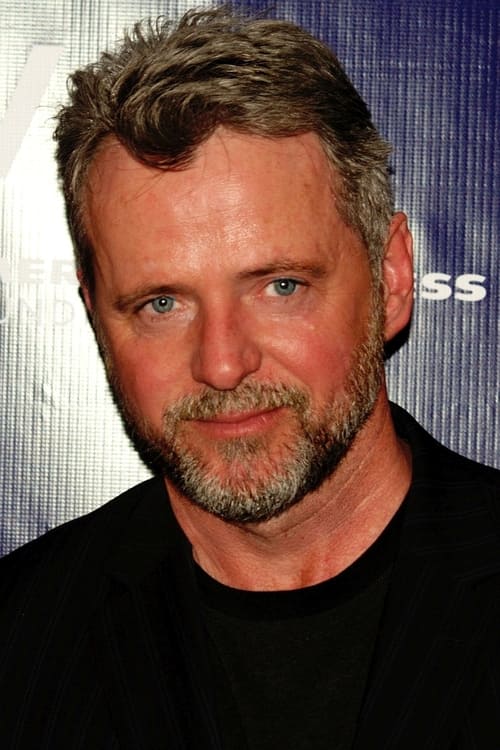
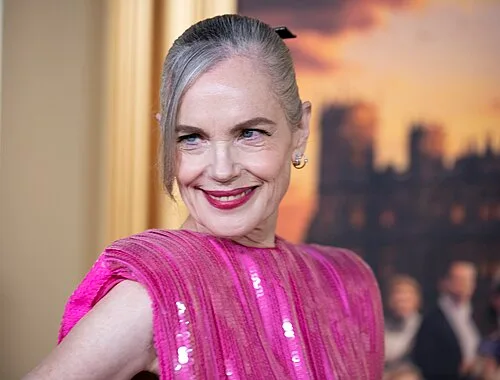
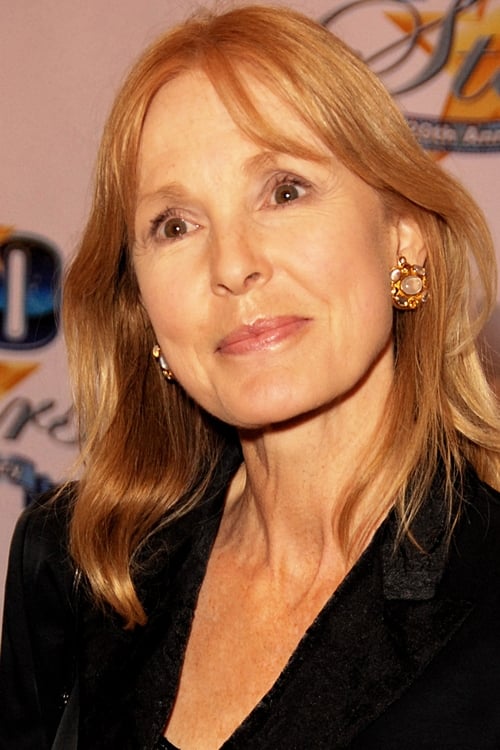
The Handmaid's Tale is a 1990 dystopian drama film directed by Volker Schlöndorff, adapted by Harold Pinter from Margaret Atwood's 1985 novel. It stars Natasha Richardson (Offred), Faye Dunaway (Serena Joy), Robert Duvall (The Commander), Aidan Quinn (Nick), and Elizabeth McGovern (Moira). The original music score was composed by Ryuichi Sakamoto. It is the first filmed adaptation of the novel, succeeded by the Hulu television series which began streaming in 2017.
The film adaptation of The Handmaid's Tale faced numerous challenges in its development, with screenwriter Harold Pinter expressing dissatisfaction with the final product due to significant alterations from his original script. Pinter had contributed only part of the screenplay and ultimately gave the director and author carte blanche to make changes. He tried to have his name removed from the credits but was unsuccessful.
The film was entered into the 40th Berlin International Film Festival. Its reception was lukewarm, with critics expressing uncertainty about the movie's message and themes.
Contents
Plot
In the early 21st century following a sterility plague caused by global warming, war rages across the Republic of Gilead (formerly the United States of America, which collapsed after a civil war between Fascists and Radical Feminists), and rampant pollution has rendered 99% of the population sterile and killed most children. Kate is a woman who attempts to emigrate to Canada with her husband Luke and daughter Jill. As they attempt to cross the border by foot on a dirt road, the Gilead Border Guard orders them to turn back or they will open fire. Luke draws their fire, telling Kate to run, and is shot and killed. Kate is captured, while Jill wanders off into the back country, confused and unaccompanied. The authorities take Kate to a training facility with several other women, where the women are trained to become Handmaids, who are concubines for the privileged but barren couples who run the country's religious fundamentalist regime. Although she resists indoctrination into the cult of the Handmaids, which mixes Old Testament orthodoxy with scripted group chanting and ritualized violence, Kate is soon assigned to the home of "the Commander" (Fred) and his cold, inflexible wife, Serena Joy. There she is named "Offred" ("of Fred").
Her role as the Fred's latest concubine is emotionless, as she lies between Serena Joy's legs while the Commander brutally and violently rapes her, the couple hoping that she will bear them a child. Kate continually longs for her earlier life, but nightmares of her husband's death and her daughter's disappearance haunt her. A doctor explains that many of Gilead's male leaders are as sterile as their wives, and that a secret organisation funded by the soviets is attempting to find a way to stop the impending extinction of humanity. Desperately wanting a baby, Serena Joy persuades Kate to risk the punishment for fornication (death by hanging) in order to be fertilized by another man who may impregnate her and consequently spare her life. When Kate agrees to this, Serena Joy informs Kate that her daughter Jill is alive, and provides a recent photograph of her living in another commander's household, but tells Kate she can never see her daughter. Fred also tries to get closer to Kate, sensing that if she enjoyed herself more she would become a better handmaid. Exploiting Kate's background as a librarian, he gets her hard-to-obtain items and allows her into his private library. However, during a night out, Fred has sex with Kate in an unauthorized manner. The other man selected by Serena Joy turns out to be Nick, Fred's sympathetic chauffeur. Kate grows attached to Nick and eventually becomes pregnant with his child.
Kate ultimately kills Fred, and a police unit then arrives to take her away. Believing the policemen are members of the Eyes, the government's secret police, she soon realizes that they are soldiers from the USSR-backed resistance movement (Mayday), of which Nick is also a part. Kate then flees with them, parting from Nick in an emotional scene.
Now free once again and wearing non-uniform clothes, but facing an uncertain future, a pregnant Kate is living by herself in a trailer while receiving intelligence reports from the rebels. Wondering if — and hoping that — she and Nick will be reunited, she resolves, with the rebels' help, to find her daughter.
Development
Writing
According to Steven H. Gale, in his book Sharp Cut, "the final cut of The Handmaid's Tale is less a result of Pinter's script than any of his other films. He contributed only part of the screenplay: reportedly he 'abandoned writing the screenplay from exhaustion.' … Although he tried to have his name removed from the credits because he was so displeased with the movie (in 1994 he told me that this was due to the great divergences from his script that occur in the movie), … his name remains as screenwriter".
Gale observes further that "while the film was being shot, director Volker Schlöndorff", who had replaced the original director Karel Reisz, "called Pinter and asked for some changes in the script"; however, "Pinter recall[ed] being very tired at the time, and he suggested that Schlöndorff contact Atwood about the rewrites. He essentially gave the director and author carte blanche to accept whatever changes that she wanted to institute, for, as he reasoned, 'I didn't think an author would want to fuck up her own work.' … As it turned out, not only did Atwood make changes, but so did many others who were involved in the shoot". Gale wrote that Pinter told his biographer Michael Billington that:
It became ... a hotchpotch. The whole thing fell between several shoots. I worked with Karel Reisz on it for about a year. There are big public scenes in the story and Karel wanted to do them with thousands of people. The film company wouldn't sanction that so he withdrew. At which point, Volker Schlöndorff came into it as director. He wanted to work with me on the script, but I said I was absolutely exhausted. I more or less said, 'Do what you like. There's the script. Why not go back to the original author if you want to fiddle about?' He did go to the original author. And then the actors came into it. I left my name on the film because there was enough there to warrant it—just about. But it's not mine'.
In an essay on Pinter's screenplay for The French Lieutenant's Woman, in The Films of Harold Pinter, Gale discusses Pinter's "dissatisfaction with" the "kind of alteration" that occurs "once the script is tinkered with by others" and "it becomes collaborative to the point that it is not his product any more or that such tinkering for practical purposes removes some of the artistic element"; he added: "Most notably The Handmaid's Tale, which he considered so much altered that he has refused to allow the script to be published, and The Remains of the Day, which he refused to allow his name to be attached to for the same reason …"
Filming locations
The scene where the hanging occurred was filmed in front of Duke Chapel on the campus of Duke University in Durham, North Carolina. Several scenes were filmed at Saint Mary's School in Raleigh, North Carolina. 'The Staircase' was used for this film and the Patterson house as a location.
Reception
On the review aggregator website Rotten Tomatoes, 35% of 23 critics' reviews are positive, with an average rating of 4.8/10. Metacritic, which uses a weighted average, assigned the film a score of 53 out of 100, based on 24 critics, indicating "mixed or average" reviews. Roger Ebert gave the film two out of four stars and wrote that he was "not sure exactly what the movie is saying" and that by "the end of the movie we are conscious of large themes and deep thoughts, and of good intentions drifting out of focus." Owen Gleiberman, writing for Entertainment Weekly, gave the film a "C−" grade and commented that "visually, it's quite striking", but that it is "paranoid poppycock — just like the book". John Simon of the conservative National Review called The Handmaid's Tale "inept and annoying".