Pre-production
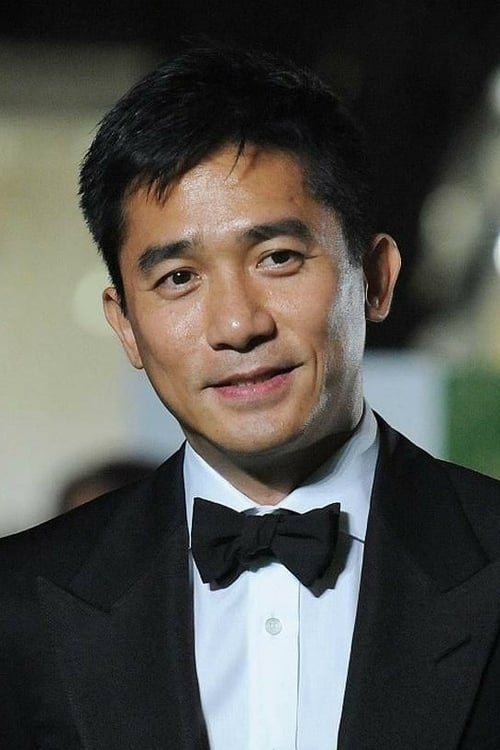
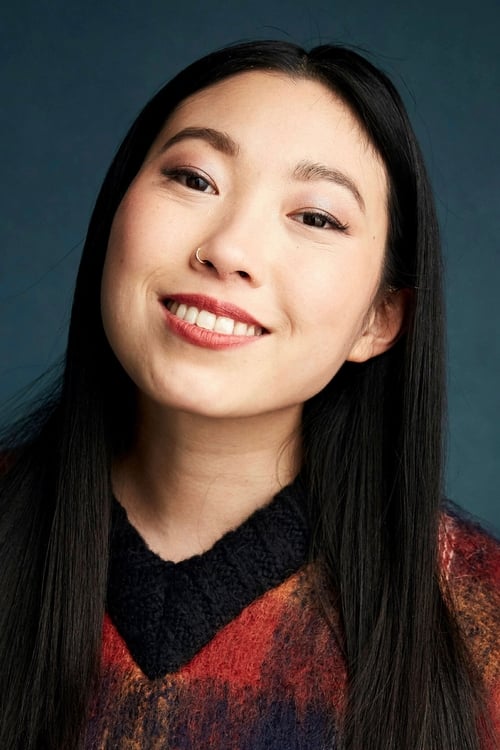
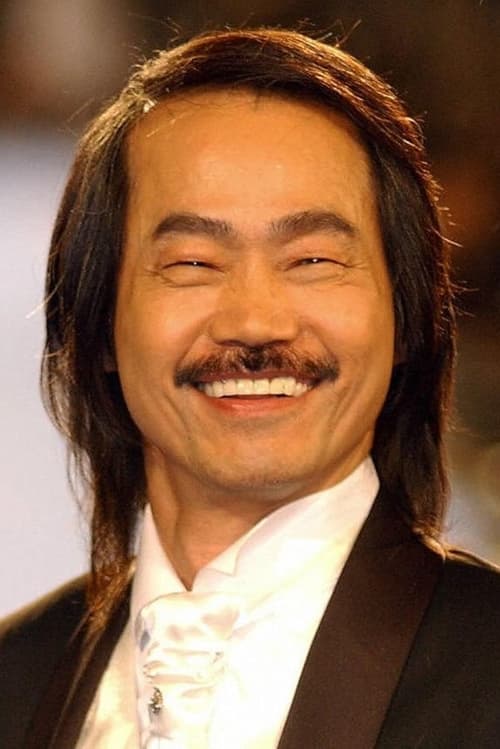
Marvel Studios began testing actors in their 20s for the role of Shang-Chi in mid-July 2019, including Lewis Tan and Simu Liu; Tan previously portrayed Zhou Cheng in Iron Fist. The studio was adamant that actors be of Chinese descent to audition for the character. Liu was considered earlier in the audition process and was brought back in for a second audition when the creatives were finding it difficult to cast the role. He tested again on July 14 and was officially cast on July 16. Awkwafina, who was the first actor cast for the film, had chemistry tests with the potential actors and said "it was apparent that [Liu] was Shang-Chi from the jump". Liu and Awkwafina's castings were announced by Cretton and producer Feige at Marvel Studios' San Diego Comic-Con panel on July 20, where the film's full title was announced to be Shang-Chi and the Legend of the Ten Rings. Feige noted the connection between this title and the Ten Rings organization that had appeared throughout the MCU. He said the group's leader, the Mandarin, would be introduced in this film and Tony Leung had been cast in the role. Cretton had wanted to cast Leung but was doubtful he would accept the part. Despite this hesitation, producer Jonathan Schwartz decided to contact Leung and he accepted the role after a meeting with Cretton.
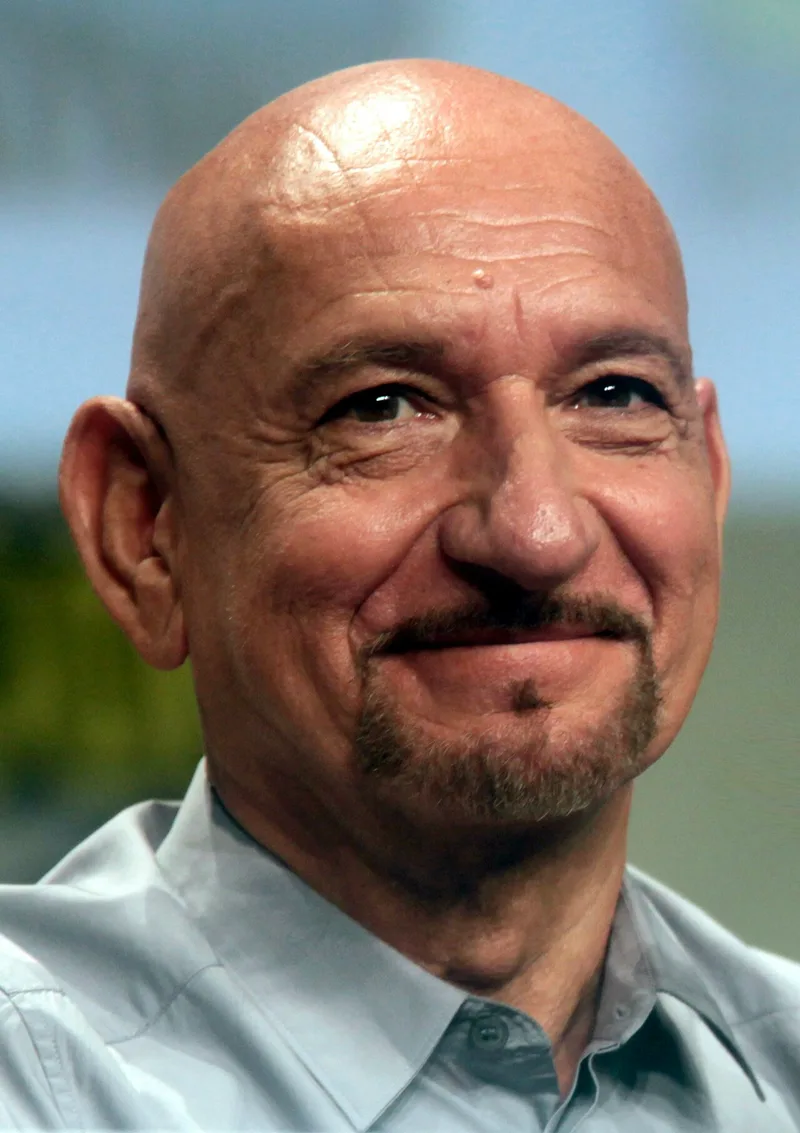
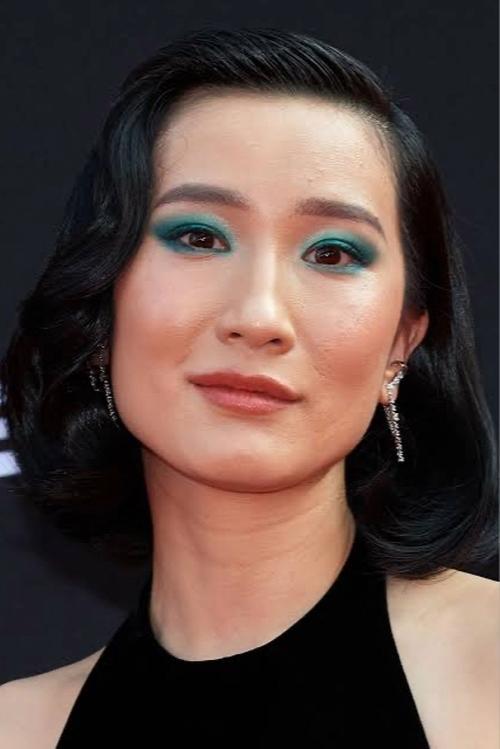
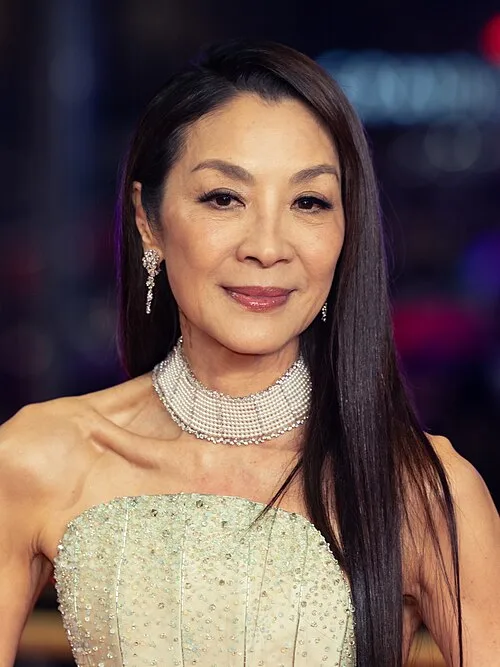
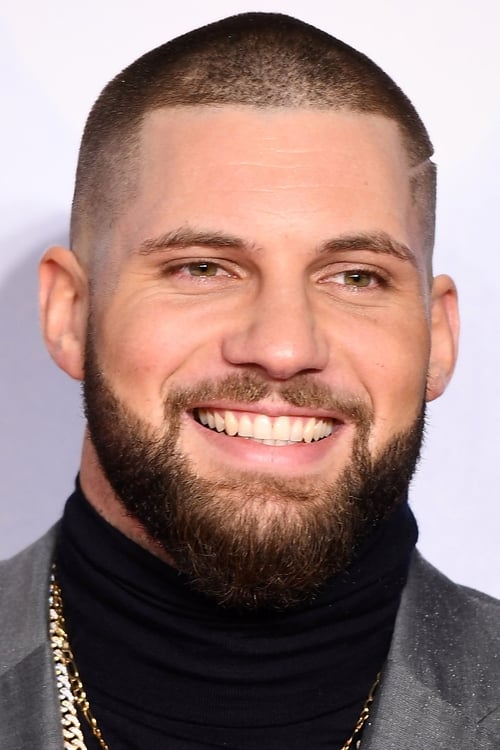
In December, Feige said the film would feature a predominantly Asian cast. A month later, Michelle Yeoh entered talks for a role in the film. This was for a different character than Aleta Ogord, who Yeoh had briefly portrayed in the MCU film Guardians of the Galaxy Vol. 2 (2017). Jessica Henwick, who previously portrayed Colleen Wing in Marvel's Netflix series, was asked to audition for the role of Xialing in the film, but was concurrently offered the role of Bugs in the film The Matrix Resurrections (2021). After being given an ultimatum to select one of the roles by the respective studios, Henwick chose the Resurrections part. This was partially because she hoped to reprise the role of Wing in a future MCU production. Newcomer Meng'er Zhang was eventually cast in the role. Kingsley reprises his role as Slattery in the film. The character's inclusion was planned early on to help fully explore the "context of who the Mandarin is in the MCU". Schwartz called Slattery a "secret weapon" whose introduction part-way through the film moves it in a different direction and provides comic relief.
In addition to Callaham, Cretton and Andrew Lanham also contributed to the screenplay for Shang-Chi and the Legend of the Ten Rings from a story by Callaham and Cretton. The film was described as a "sweeping superhero epic that combines emotional family drama with gravity-defying martial arts action". Schwartz said much of Shang-Chi's arc within Marvel Comics is a family drama, and Cretton wanted to focus on that element for the film, exploring Shang-Chi's broken and abusive family background. Liu noted that the comic book backstory for Shang-Chi is not widely known like those for comic book characters such as Batman or Spider-Man, and that gave the film's writers freedom to take more creative liberties with the story. Cretton and Callaham were cognizant of some of the racial stereotypes surrounding the character in the comics, with Liu saying everyone involved was "very sensitive to not have it go into stereotypical territory". Cretton believed the resulting script was a "really beautiful update" to the character from what began in the comics.
Cretton felt the film told an authentic story about Asian identity. Callaham said there is "no single Asian American voice", and he and Cretton contemplated how the film could speak to "the wider Asian diaspora" and would be generally entertaining but also "personal to all these people". Cast members Liu, Leung, and Zhang contributed their own experiences coming from Canada, Hong Kong, and mainland China, respectively, to add to the authenticity of the film. Some aspects that were discussed regarding each scene were whether characters should be speaking in Mandarin Chinese or English and the type of food served in the different households to ensure it felt authentic to whose house it was. The film's opening begins with narration entirely in Mandarin, which Nancy Wang Yuen, writing for io9, said was a striking decision for an MCU film to "begin in a language other than English and continue to do so for an extended period". Regarding the use of Mandarin in the film, Cretton said the choice of which language to use when was "always rooted in just the logic of the characters and who would naturally be speaking what language". Zhang, whose first language is Mandarin, served as a dialect coach for the other actors. Shang-Chi further deals with some of the negative characterization around Asian-Americans and languages by portraying its characters as having varied knowledge of Asian languages, as demonstrated by an exchange with Katy and the character Jon Jon when Jon Jon says he speaks "ABC" (American-born Chinese). Another such moment is when Shang-Chi teaches Katy how to pronounce his name, which serves as a meta moment to also aid the audience on learning the proper pronunciation of "Shang-Chi".
Cretton felt it was important to have "many strong women" around Shang-Chi that were "kicking his butt into gear" in contrast to the relationship between Shang-Chi and his father Wenwu (the film's version of the Mandarin). These supporting characters also have their own narrative arcs. Cretton's three sisters and his wife helped inspire the characters Katy, Xialing, Ying Nan, and Ying Li. Speaking to the relationship between Shang-Chi and Katy, Cretton enjoyed being able to show a strong, "deeply caring" friendship that is rarely seen in superhero films, adding that it would have felt forced to have the two characters end up in a romantic relationship together. Yeoh requested a scene be added between her character Ying Nan and Zhang's Xialing that would empower Xialing to "step out of the shadows for the first time"; this scene became an important part of Xialing's journey in the film and was one of the many scenes that also addressed the sexism presented in the story. Cretton felt seeing Xialing become the new head of the Ten Rings organization in the film's post-credits scene was reflective of her beginning to take control of her life. Various versions of the scene existed throughout the production before it was moved to be after the credits since they thought it was "a juicy idea for where the story might go in the future".
Sue Chan served as production designer for the film. The first location that she and the crew scouted was San Francisco, where Chan previously lived. She suggested Clement Street, "the old Chinatown of San Francisco", as the characters' home because it does not have the expected Chinatown cliches. The film's San Francisco apartment set was one of Chan's favorites due to its accuracy to real Asian-American houses. Another favorite was a restaurant set where Wenwu kills his enemies, for which Chan took inspiration from Hong Kong gangster films. Cretton wanted Xialing's fight club to be fun and show her character rather than be scary and dangerous. Chan noted that Xialing's office combines imagery of skulls with flowers and bold colors, and the sets incorporate the character's feminist views. The fighting arena is an octagon because the number eight is significant in Asian cultures.
For Ta Lo, Chan researched ancient Chinese culture and designs and took elements from many eras since the village is not from a specific time in Chinese history. These elements includes symbolism, styles, and colors from the Tang and Song dynasties. Key symbols for the village were the five Chinese elements of wood, water, fire, metal, and earth, with metal being replaced with dragon scales for the film. These elements were used as the basis of the village set, along with traditional construction elements such as bamboo (both real and artificial bamboo was used). The village itself was built in an open area by a reservoir outside of Sydney and all of the buildings in the village were planned, built, and dressed as they would be used by the inhabitants. These include a pottery shed, a cooking shed, and a schoolroom, all built around the central temple which is open on all sides and contains the history of Ta Lo. Ta Lo's universe is inhabited by various Chinese mythological creatures, including dragons, fenghuang, shishi, hundun, jiuwei hu, and qilin. Andy Park led Marvel Studios' visual development team for the film, and specifically designed Shang-Chi's hero costume. The costume combines elements of his own style with those from both his parents: the jacket is made from the Ta Lo dragon scales and is a gift from his mother, he receives the ten rings from his father at the end of the film, and he wears his own American shoes. Costume designer Kym Barrett also researched ancient Chinese designs and then adapted these to suit the film's stunt needs.
The Ten Rings logo that was originally designed for the MCU featured a circle of ten interlocked rings with characters from the Mongolian language. The logo's appearance in Iron Man 3 drew ire from the Mongolian government who felt the Mongolian scripts "offensively tied the country's intangible cultural heritage to a terrorist group". The logo was updated for Shang-Chi to use "inoffensive" Chinese characters instead, including synonyms for strength or power written in ancient seal script. Oyungerel Tsedevdamba, Mongolia's former minister of culture, sports and tourism, believed the change was more to appease the Chinese market than the Mongolian government. The actual ten rings are portrayed as bangles worn on the wrist rather than as finger rings like they are in the comics. Schwartz said multiple approaches to the rings were discussed, and the comic-accurate design looked "a little goofy in practice" and was too similar to the Infinity Stones that appear throughout the MCU. The Ten Rings compound goes through four stages in the film that reflect Wenwu's character: it begins as a "cold" fortress that prominently features the Ten Rings logo; the compound then becomes a family home with bright colors, gardens, design elements from the Ta Lo village, and a mosaic of a phoenix replacing the Ten Rings logo; the color was then stripped from the sets to make it a "desolate shell" as Wenwu mourns the death of his wife; and finally elements of Xialing's fight club are introduced in the post-credits scene as she takes over the compound and makes it her own.