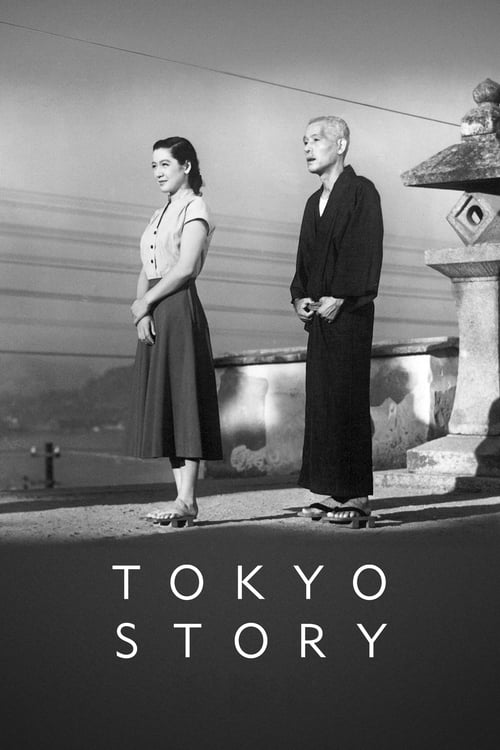
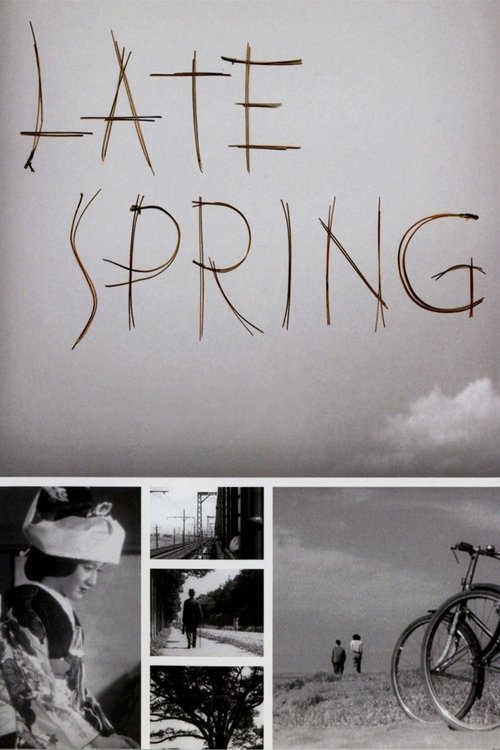
Setsuko Hara (原 節子, Hara Setsuko; born Masae Aida (会田 昌江); 17 June 1920 – 5 September 2015) was a Japanese actress. She is best known for her performances in Yasujirō Ozu's films Late Spring (1949), Tokyo Story (1953) and Tokyo Twilight (1957), amongst many others, and for working extensively with director Mikio Naruse. She is widely considered to be one of the greatest Japanese film actresses of all time.
Contents
Early life and work
Setsuko Hara was born Masae Aida (会田 昌江, Aida Masae) in what is now Hodogaya-ku, Yokohama in a family with three sons and five daughters. Her elder sister was married to film director Hisatora Kumagai, which gave her an entry into the world of the cinema: he encouraged her to drop out of school, which she did, and then she worked for Nikkatsu Studios in Tamagawa, outside Tokyo, in 1935. She debuted at the age of 15 with a stage name that the studio gave her in Do Not Hesitate Young Folks! (ためらふ勿れ若人よ, tamerafu nakare wakōdo yo).
She came to prominence as an actress in the 1937 German-Japanese co-production Die Tochter des Samurai (The Daughter of the Samurai), known in Japan as Atarashiki Tsuchi (The New Earth), directed by Arnold Fanck and Mansaku Itami. In the film, Hara plays a woman who unsuccessfully attempts to immolate herself in a volcano. She continued to portray tragic heroines in many of her films until the end of World War II, like The Suicide Troops of the Watchtower (1942) and The Green Mountains (1949), directed by Tadashi Imai, and Toward the Decisive Battle in the Sky, directed by Kunio Watanabe.