2020–present: pandemic, corporate development, and Trump tariffs
In March 2020, Pfizer joined the COVID-19 Therapeutics Accelerator funding vehicle to expedite development of treatments against COVID-19. The $125 million initiative was launched by the Bill & Melinda Gates Foundation in partnership with Mastercard and Wellcome Trust, with additional funding announced shortly after from Chan Zuckerberg Initiative, UK Foreign, Commonwealth and Development Office and Madonna.
The following month, the Foundation for the National Institutes of Health announced the Accelerating COVID-19 Therapeutic Interventions and Vaccines (ACTIV) public-private partnership to develop a coordinated research strategy for prioritizing and speeding up development of COVID-19 vaccines and pharmaceutical products. Pfizer joined the partnership as an industry "leadership organization", and participated as a collaborator in ACTIV-led clinical trials. CEO Albert Bourla attended the GAVI COVAX AMC 2021 Investment Opportunity Launch Event, otherwise named One World Protected, on April 15, 2021.
In Canada, Pfizer endorsed the use of a vaccine passport mobile app developed by CANImmunize in order to record and track status of COVID-19 vaccination.
As the scale of the COVID-19 pandemic became apparent, Pfizer partnered with BioNTech to study and develop COVID-19 mRNA vaccine candidates. Unlike many of its competitors, Pfizer took no initial research funds from the United States' Operation Warp Speed vaccine development program, instead choosing to invest roughly $2 billion of its own funds. Pfizer CEO Albert Bourla has said that he declined money from Operation Warp Speed to avoid government intervention, stating later that "when you get money from someone that always comes with strings. They want to see how we are going to progress, what type of moves you are going to do. They want reports. And also, I wanted to keep Pfizer out of politics, by the way."
In May 2020, Pfizer began testing four different COVID-19 vaccine variations using lipid nanoparticle technology provided by Canadian biotechnology company Acuitas Therapeutics. Vaccines were injected into the first human participants in the U.S. in early May. In July 2020, Pfizer and BioNTech announced that two of the partners' four mRNA vaccine candidates had won fast track designation from the FDA. The company began Phase II-III testing on 30,000 people in the last week of July 2020 and was slated to be paid $1.95 billion for 100 million doses of the vaccine by the US government. In September 2020, Pfizer and BioNTech announced that they had completed talks with the European Commission to provide an initial 200 million vaccine doses to the EU, with the option to supply another 100 million doses at a later date.
On November 9, 2020, Pfizer announced that BioNTech's COVID-19 vaccine, tested on 43,500 people, was found to be 90% effective at preventing symptomatic COVID-19. The efficacy was updated to 95% a week later, described as a "really a spectacular number" and made Pfizer and BioNTech the first companies to develop and test a working vaccine for COVID-19.
In November and December 2020, regulators in various countries approved Pfizer's vaccine for emergency use.
In November 2021, Pfizer launched a new COVID-19 oral antivirus treatment known as Paxlovid. In January 2022, the Pfizer CEO Albert Bourla confirmed that the trial results of a fourth dose were pending until March 2022. He said that the firm was setting up a collaboration to develop an anti-COVID pill treatment along with a French company, Novasep. He also said the COVID vaccine was "safe and efficient" for children. In May 2022, reports emerged of patients experiencing "rebound" symptoms after completing a five-day course of Paxlovid. The FDA responded by announcing they had performed additional analyses of the drug's clinical trial data, and decided against changing its recommendations. U.S. President Joe Biden and Dr. Anthony Fauci were both reported to experience this rebound syndrome in the months that followed, while continuing to recommend the drug for those who may benefit from it.
In September 2020, the company acquired a 9.9% stake in CStone Pharmaceuticals for $200 million (HK$1.55 billion), helping to commercialise its anti-PD-L1 monoclonal antibody, CS1001. In October 2020, the company acquired Arixa Pharmaceuticals. In November 2020, using a Reverse Morris Trust structure, Pfizer merged its off-patent branded and generic drug business, known as Upjohn, with Mylan to form Viatris, owned 57% by Pfizer shareholders.
On January 5, 2021, Pfizer introduced a new logo. In April 2021, Pfizer acquired Amplyx Pharmaceuticals and its anti-fungal compound fosmanogepix (APX001). In August, the company announced it would acquire Trillium Therapeutics Inc and its immuno-oncology portfolio for $2.3 billion.
In November 2021, gene therapy research was delayed by trial changes.
In March 2022, the company acquired Arena Pharmaceuticals for $6.7 billion in cash. In June 2022, the company acquired ReViral Ltd, for up to $525 million, gaining access to experimental drugs used to combat respiratory syncytial virus infections. In October 2022, the company acquired Biohaven Pharma and its calcitonin gene-related peptide programs for $11.6 billion. It also acquired Global Blood Therapeutics for $5.4 billion, boosting Pfizer's rare disease business.
In April 2023, Pfizer moved its world headquarters from 42nd Street in Midtown Manhattan to the Spiral at Hudson Yards.
In September 2023, CDC Endorsed Pfizer's Maternal RSV Vaccine to Shield Newborns.
In October 2023, the EMBARK trial showed improved metastasis-free survival in high-risk, non-metastatic prostate cancer patients, leading to the FDA approval of a combination therapy in 2023.
In December 2023, the company acquired Seagen, a pioneer of antibody–drug conjugates for the treatment of cancer, for $43 billion.
In December 2023, the EV-302 study investigated new treatments for advanced urothelial cancer, focusing on improving care for hard-to-treat patient groups.
In January 2024, omnichannel strategies were being used to provide tailored healthcare solutions for patients and professionals.
In February 2024, Saama and Pfizer reached an expanded multi-year agreement to integrate AI-driven solutions across Pfizer's R&D portfolio, building on their 2020 partnership. Initially the partnership focused on automating data review processes with the Smart Data Quality (SDQ) platform — developed during Pfizer's COVID-19 vaccine trials — the partnership as of 2024 scales to streamline data review and accelerate regulatory submissions across global studies. The expanded collaboration introduces Saama's Biometrics Research and Analysis Information Network, enabling faster statistical programming, biostatistics workflows, and submission-ready outputs.
In February 2024, Pfizer reported durable second-season efficacy for RSV vaccine.
In June 2024, Pfizer announced a collaboration with the Abu Dhabi Department of Health to analyze real-world data on Sickle Cell Disease using AI.
In July 2024, Lyme Disease Vaccine Reached Completion of the Primary Series
In July 2024, Pfizer and Flagship Pioneering announced an "Innovation Supply Chain" partnership to co-develop 10 drug candidates. Each party committed $50 million upfront, leveraging Flagship's ecosystem of over 40 startups to align with Pfizer's priorities. Pfizer will fund the selected programs and has the option to license or acquire assets, with potential success milestones and royalties reaching up to $700 million per commercialized drug. Two programs, focused on obesity and cardiovascular diseases, have already been initiated.
In July 2024, Pfizer advanced its obesity treatment research through the development of danuglipron, an oral glucagon-like peptide-1 (GLP-1) receptor agonist:
In August 2024, Pfizer introduced PfizerForAll, a digital platform designed to streamline access to healthcare and wellness resources in the United States.
In October 2024, Pfizer announced positive results from phase 3 TALAPRO-2 trial of Talzenna in combination with Xtandi in patients with mCRPC.
In October 2024, Pfizer announced a partnership with the Ignition AI Accelerator, a collaborative initiative by Nvidia, Tribe, and Digital Industry Singapore (DISG). The collaboration aims using artificial intelligence to expedite drug discovery and development processes, improve operational efficiency, and streamline stakeholder engagement. The initiative also focuses on optimizing manufacturing processes, including improving yields and reducing cycle times.
In March 2025, the company sold its entire stake in Haleon for $3.24 billion to institutional investors.
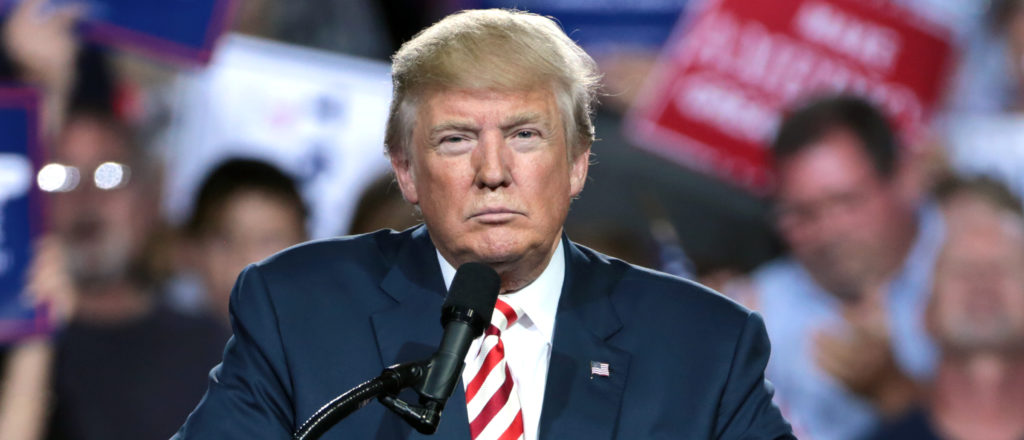
In October 2025, Pfizer entered an agreement with the Trump administration to voluntarily lower US drug prices, which included a three-year exemption from pharmaceutical-specific tariffs, as long as the firm further invests in domestic manufacturing. Pfizer pledged to put $70 billion into US manufacturing and research.
In November 2025, Pfizer acquired Metsera to expand its weight-loss drug portfolio in a deal that had the potential to exceed $10 billion.