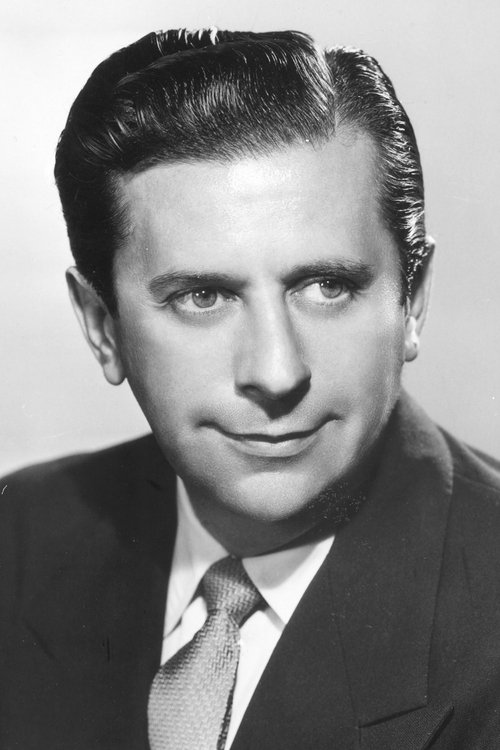
Moritz "Morey" Amsterdam (December 14, 1908 – October 28, 1996) was an American actor, comedian, writer, and producer. Between 1948 and 1950, he hosted his own TV sitcom The Morey Amsterdam Show. He played Buddy Sorrell on CBS's The Dick Van Dyke Show from 1961 to 1966.
Contents
Early life
Moritz Amsterdam (Yiddish: מאָריץ אַמסטערדאַם) was born in Chicago, Illinois, the youngest of the three sons of Max and Jennie (née Finder) Amsterdam, Jewish immigrants from Austria-Hungary.
He began working in vaudeville in 1922 as the straight man for his older brother's jokes. He was a cellist, a skill he used throughout his career. By 1924, he was working in a speakeasy operated by Al Capone.
After being caught in the middle of a gunfight, Amsterdam moved to California and worked writing jokes.
Career
Radio
In the late 1940s, Amsterdam had a program on CBS from 9:30 to 10 pm Eastern Time on Tuesdays and a daily program on WMGM in New York City.
Television
Amsterdam had a program on CBS that ended in early 1949.
In 1950, he briefly hosted the comedy-variety show Broadway Open House, TV's first late-night entertainment show, on NBC. One of the pioneering TV creations of NBC president Pat Weaver, it demonstrated the potential for late-night programming and led to the later development of The Tonight Show.
In February 1952, Amsterdam made his dramatic TV debut on an episode of the DuMont Television Network series Not for Publication. Also in 1952, he was host of Breakfast With Music, a 9:00 am, Monday-Friday program on WNBT-TV in New York City.
In 1957, he appeared as "Jack Connors" in the third episode ("The Three Pretenders") of the syndicated television sitcom How to Marry a Millionaire, with Barbara Eden and Merry Anders.
In 1958, he appeared as saloon manager Lucien Bellingham in an episode of the CBS Western series Have Gun – Will Travel entitled "The Moor's Revenge". He later guest-starred on the CBS sitcom Pete and Gladys, with Harry Morgan and Cara Williams.
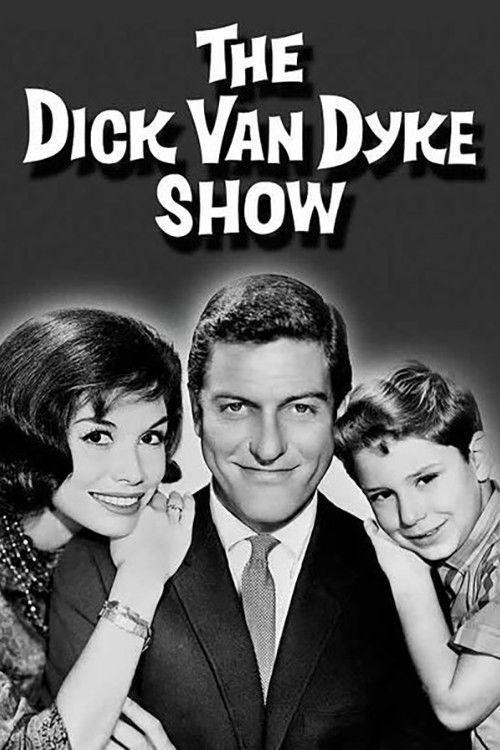
His best-known role was as comedy writer Buddy Sorrell on The Dick Van Dyke Show, a role suggested for him by his friend Rose Marie, who also appeared on the show.
The show's creator, Carl Reiner, based the character on his old friend Mel Brooks, with whom he worked on the writing staff of Your Show of Shows. Like Amsterdam himself, Buddy had a ready quip for any situation, and one of the show's most popular running gags was his insult-laden feud with producer Mel Cooley (Richard Deacon). One scene had Mel walking into the writers' room asking, "Well, what have you got for me?" Buddy immediately answered "Hatred!" Buddy was also one of the rare overtly Jewish characters on TV in that era, with one episode revolving around his belated decision to have a bar mitzvah. Amsterdam also wrote lyrics for the show's theme song, which were never heard on the air, but have been performed by Dick Van Dyke in concert. Van Dyke sang those lyrics on the October 23, 2010, edition of the NPR show Wait Wait... Don't Tell Me!. The composer of the tune, Earl Hagen, was made aware of the lyrics when David Van Deusen arranged it as a gift for Dick Van Dyke on his 70th birthday. Van Deusen, the other DVD, shared the story of the lyrics with Hagen after Amsterdam's death.
Films
In 1958, Amsterdam appeared in the low-budget film Machine-Gun Kelly with Charles Bronson, and he did a notable dramatic turn in the 1960 noir classic Murder, Inc. as Catskill nightclub owner Walter Sage, the first victim (according to the film) of the newly minted Murder, Incorporated.
Amsterdam played Cappy, owner of the local nightclub, in two Beach Party movies of the 1960s, which were produced by American International Pictures, of which he was vice president. Rose Marie and he also co-starred in the 1966 film Don't Worry, We'll Think of a Title, a comedy co-written and co-produced by Amsterdam. The film features Richard Deacon, their co-star on The Dick Van Dyke Show, with cameos by the show's co-producer Danny Thomas and co-star Carl Reiner as well as Steve Allen, Milton Berle, Irene Ryan, and Moe Howard of the Three Stooges. His later roles included appearances in The Horse in the Gray Flannel Suit (1968), Won Ton Ton, the Dog Who Saved Hollywood (1976), When Nature Calls (1985), and Side by Side (1988).
Personal life
Amsterdam married actress Mabel Todd in 1933; they divorced in 1945. He married his second wife Kay Patrick in 1949; they remained married until his death in 1996.
Rum and Coca-Cola
Morey occasionally delved into novelty-music writing, as well. Two of his credits are "Why Oh Why Did I Ever Leave Wyoming" and "I Can't Get Offa My Horse." While visiting Trinidad in September 1943 as part of a U.S.O. tour, Amsterdam obtained a local hit song, "Rum and Coca-Cola", composed by Lionel Belasco, with lyrics by Rupert Grant, a calypso musician who used the stage name Lord Invader. Amsterdam applied for and was issued a US copyright for the song, published in the United States with Amsterdam listed as lyricist and Jeri Sullivan and Paul Baron as composers. When the Andrews Sisters' recording of the song became a worldwide hit, Belasco and Lord Invader sued for copyright infringement of the song's music and lyrics, respectively. In 1948, after years of litigation, both plaintiffs won their cases, with Lord Invader receiving an award of $150,000 in owed royalties. However, Morey Amsterdam was allowed to retain copyright to the song.
Amsterdam is credited as the writer of the calypso song "True, Mon, True (Dot is the Actual Fact)" performed by Mary Tyler Moore in the "Somebody Has to Play Cleopatra" episode of The Dick Van Dyke Show (season two, episode 14, originally broadcast December 26, 1962). The song originated in the c. 1945 all-black revue Before Broadway, also known as The Wishing Tree.
Hanna-Barbera lawsuit
In 1963, Amsterdam filed a $12,000 lawsuit against Hanna-Barbera for breach of contract; he claimed that he had been cast and signed to the role of George Jetson on The Jetsons. Although his contract stipulated that he would be paid $500 an episode, with a guarantee of 24 episodes (i.e., a full season) of work, he recorded only one episode before being replaced by George O'Hanlon. The change may have occurred because of sponsor conflict with Amsterdam's role on The Dick Van Dyke Show. Hanna-Barbera won the lawsuit in early 1965.
Death
Amsterdam died at Cedars Sinai Hospital in Los Angeles on October 28, 1996, at the age of 87, due to a heart attack.
Filmography
Production credits
Writer
Hollywood Hobbies (1939)
Kid Dynamite (1943) (additional dialogue)
The Ghost and the Guest (1943) (screenplay)
Bowery Champs (1944) (additional dialogue)
The Morey Amsterdam Show (1948–1950) (3 episodes)
Columbia Animal Cavalcade 1: Chimp-Antics (1952) (narrative)
Don't Worry, We'll Think of a Title (1966) (screenplay)
Producer
The Morey Amsterdam Show (1949–1950) (two episodes)
Don't Worry, We'll Think of a Title (1966)
Black, Kloke & Dagga (1967) (uncredited)
Can You Top This (1970–1971) (46 episodes)