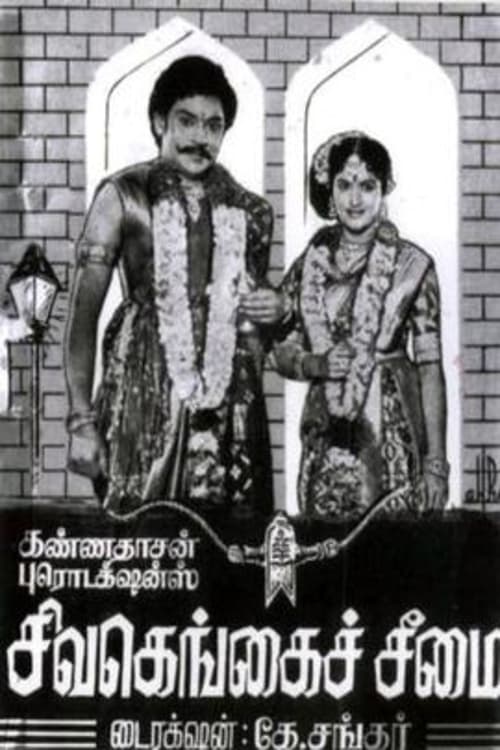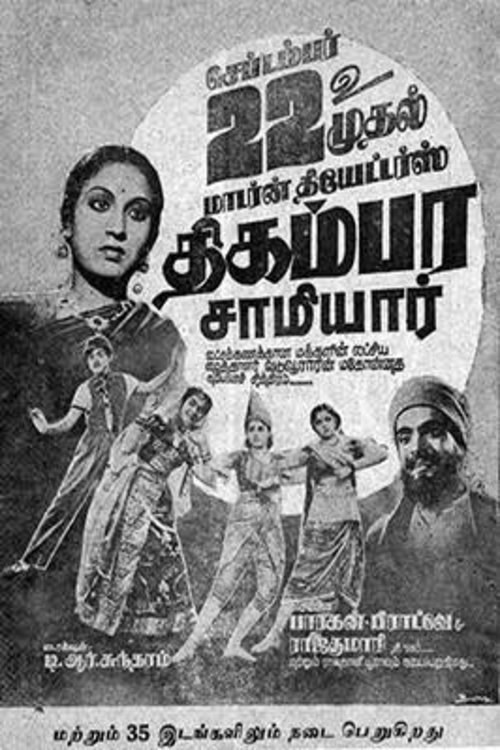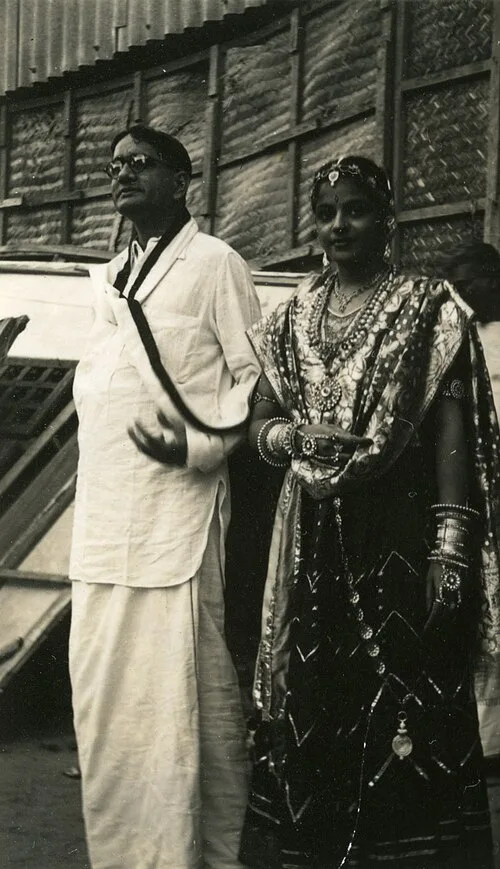



Kumari Kamala (16 June 1934 – 23 November 2025), also known as Kamala Lakshman, was an Indian dancer and actress. Initially featured as a child dancer, Kamala appeared in almost 100 Tamil, Hindi, Telugu and Kannada films throughout her career. In the 1970s, she became a teacher of the Vazhuvoor style of dance in which she specialised.
Contents
Early life and career
Kamala was born at Mayuram (now known as Mayiladuthurai), in what is now Tamil Nadu, India, and belonged to the Tamil Brahmin community. Her sisters Rhadha and Vasanti are also dancers. At an early age, Kamala began taking lessons in the Kathak dance style from Lachhu Maharaj in Bombay and Bharatnatyam. She also took lessons in Hindustani classical music from Shankar Rao Vyas. She was discovered at age four by Tamil film director A.N. Kalyanasundaram Iyer when he attended a dance recital. He cast her in small roles in his films Valibar Sangham (1938) and Ramanama Mahimai (1939) where she was billed as Kamala. Her dancing was noticed by other filmmakers and she moved to Hindi films with Jailor in 1938 and Kismet and Ram Rajya in 1943. Kamala's mother moved to Madras so her daughter could train under the Bharatanatyam teachers Kattumannarkoil Muthukumara Pillai and Vazhuvoor B. Ramaiyah Pillai. Kamala's first role in a successful Tamil film came in 1944 with Jagathalapratapan where she performed the Paampu attam. Kamala played a double role in her next film Sri Valli (1945) and also played Krishna in the film Meera. However, it was her film Nam Iruvar that would make an impact on Tamil cinema. Nam Iruvar was full of patriotism and Gandhian songs, and its dances helped to revitalize and legitimize Bharatanatyam. The film is credited with sparking a "cultural revolution" throughout the Tamil speaking areas of India.