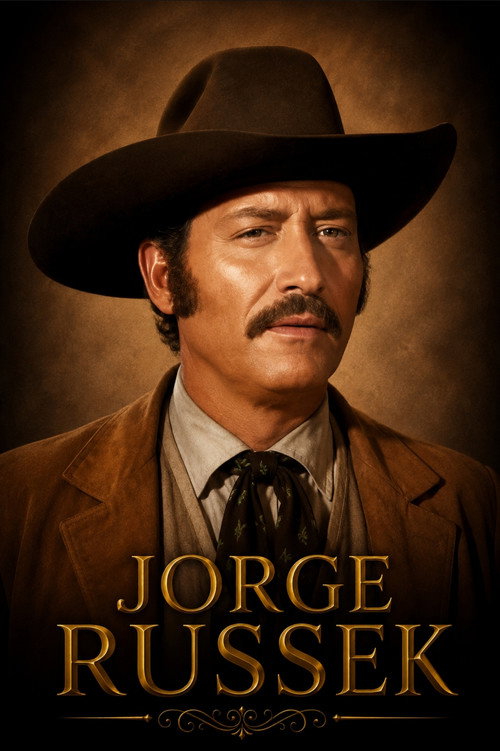


Jorge Antonio Russek Martínez (4 January 1932 – 30 July 1998) was a Mexican actor, whose career in film and television spanned over 40 years. A native of Guaymas, Sonora, he became one of the most prominent actors in Mexican cinema and appeared in more than 300 films in his career.
Russek appeared in Western films throughout the 1960s and 1970s, both in Mexican and American cinema, and won Ariel Awards for Best Actor in 1976 and Best Supporting Actor in 1989. He became known for playing norteños, or villainous characters such as gangsters, while simultaneously being recognized for his humility and pleasant personality off-set. Later in his career, Russek starred in several telenovelas and was a three-time winner of the TVyNovelas Award for Best Leading Actor.
Contents
Early life
Russek was born on 4 January 1932 in Guaymas, Sonora, to Marcos Russek Ramírez and Luisa Lily Martínez Bustamante and had three older brothers. His mother's side of the family hailed from Durango, where his great-grandfather served as a local government official during the presidency of Benito Juárez. His father's family was of Polish Jewish origin with roots in Bolesławiec, Poland. His grandfather Marcus (or Marcos) Russek emigrated to Chihuahua from Poland in the late 1800s. Russek was raised partly in the United States, and studied at the Harvard School for Boys (now Harvard-Westlake School) in North Hollywood, California.
Career
Film
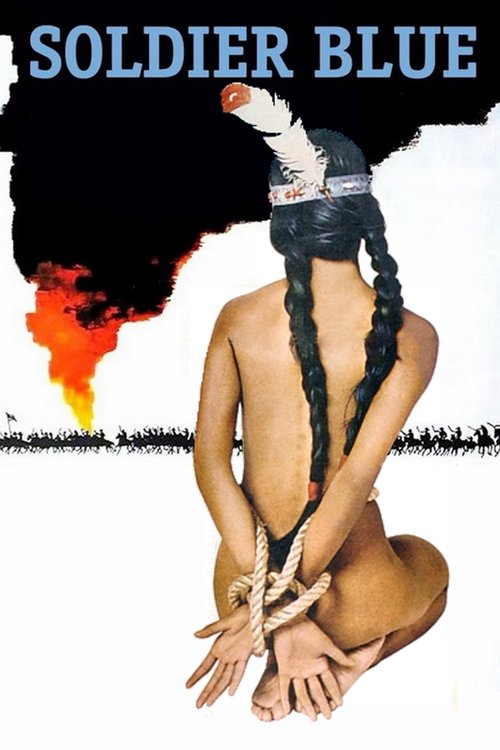
Russek entered the film industry as an extra in 1950. He also acted on stage early in his career, but quit because he felt asphyxiated in the dressing rooms. In 1954, Russek appeared in the Mexican-American film Sitting Bull. His first notable role was in the film La vida de Agustín Lara. Russek acted in films of many different genres, but became known for his roles in Western films in the late 1960s and early 1970s, both in Mexican and American cinema. He appeared in American television series such as I Spy and The High Chaparral, but he also landed roles in films such as The Wild Bunch (1969), Butch Cassidy and the Sundance Kid (1969), Soldier Blue (1970), Big Jake (1971), The Wrath of God (1972), and Pat Garrett and Billy the Kid (1973), all while remaining active in Mexico.
Russek won the Diosa de Plata for Best Actor in 1973 for his role in the film Todo por nada. At the 18th Ariel Awards held in 1976, he won Best Actor for his role in De todos modos Juan te llamas. Russek also won the Ariel Award for Best Supporting Actor at the 31st Ariel Awards in 1989 for his role in Los camaroneros.
Telenovelas
Russek earned his first main role in a telenovela in 1986 when he played the role of a Michoacán landowner named Don Fernando Vallarta in La gloria y el infierno, which aired on Televisa. His next main role on television was in the 1990 telenovela, Días sin luna, where he played the role of Rogelio Santamaría. For his performance, he won the TVyNovelas Award for Best Leading Actor at the 9th TVyNovelas Awards. Russek joined the cast of La fuerza del amor as Gustavo soon afterwards. He won his second TVyNovelas Award for Best Leading Actor for his performance as Samuel Aldapa in the 1996 hit telenovela, Cañaveral de Pasiones.
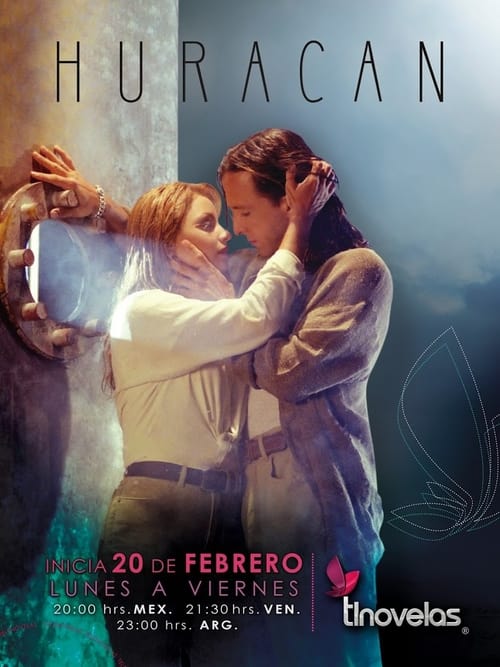
His final role was in Huracán, where he played the main antagonist, Néstor Villarreal, a wealthy businessman whose practices polluted the ocean. For his performance, he received the Award for Best Leading Actor at the 16th TVyNovelas Awards in May 1998.
Other work
Russek was a professional photographer whose pictures were shown at various exhibitions. He often brought his Zeiss Ikon Ikoflex camera to sets he worked on. Russek was known for his pictures of natural landscapes in Durango. He also served as an advisor to the Durango Directorate of Tourism and Cinematography from 1974 to 1980 and again from 1992 to 1998. In his final years, he worked on an autobiography, which was tentatively titled Una vida de película.
Personal life
Russek was married to July Elvira Sánchez. He had two children and five grandchildren.
Death
Russek died of a heart attack aged 66 on 30 July 1998 at a hospital in Mexico City. He was visited by friends such as Ernesto Alonso, Silvia Pinal, Norma Herrera, Raúl Araiza, José Rendón and José Ángel Espinoza. Per his wishes, Russek was cremated and his ashes were spread in Durango, where he filmed many of his movies.
Legacy
For years to follow after his death, cultural events were held every August in his honor in Durango. Additionally, a telesecundaria in Durango was named after Russek.
In 2007, a collection of almost 2,000 pictures taken by Russek was entered into the archives of the Cineteca Nacional.
In a 2013 interview, Mario Almada stated that Russek was one of the actors he most admired.
Filmography
Awards and accolades
Virginia Fábregas Medal (1990)
Durango Walk of Fame