








Jetsons: The Movie is a 1990 American animated science fiction comedy film produced and directed by William Hanna and Joseph Barbera and written by Dennis Marks, based on the animated television series The Jetsons by Hanna-Barbera. It stars the voices of George O'Hanlon and Mel Blanc, as well as Tiffany in her feature film debut as Judy Jetson and Brad Garrett in his animated film debut. Penny Singleton and Don Messick also reprised their roles in the film. The story follows George Jetson, who is tasked with running a new Spacely Sprockets facility by his boss Cosmo Spacely. However, after he brings his family along to support him, they uncover the tragic truth of the facility's location.
The film was released on July 6, 1990. The film received mixed reviews from critics and grossed $20.3 million on a budget of $8 million during its theatrical run but it is considered a box office failure due to a costly $12 million failed marketing campaign by Universal but the film was later a commercial success on home video sales. O'Hanlon and Blanc died during production of the film, which was dedicated to both their memories. Jetsons: The Movie was the last theatrical film to be directed by William Hanna and Joseph Barbera before their deaths in 2001 and 2006 respectively. It serves as the series finale to the television series which was cancelled three years prior to the film’s release, as no episodes were produced following the film's release. While the characters would make subsequent appearances in other media over the years, this film was also the final official Jetsons production until the direct to video release of The Jetsons & WWE: Robo-WrestleMania! in 2017.
Although Warner Bros. Discovery owns the rights to the majority of the Hanna-Barbera library, including most of The Jetsons media, the distribution rights to this film are still owned by Universal Pictures.
Contents
Plot
In the late 21st century, Spacely Sprockets and Spindles has opened a new mining colony called the "Orbiting Ore Asteroid". The proposed project is meant to increase productivity at 1/10 the cost of making the items on Earth. However, the factory is mysteriously and continuously sabotaged. During a meeting, Spacely Sprockets' president Cosmo Spacely (Mel Blanc) learns from the robotic plant engineer Rudy-2 (Ronnie Schell) that the latest head of the factory Alexander Throttlebottom has fled in fear, making four vice presidents of the new plant that Spacely has lost so far. Fearing for his company (and profits), Spacely asks robot assistant Gertrude to give him the name of someone who is loyal, expendable, and can push a button: George Jetson (George O'Hanlon) comes up as Throttlebottom's successor, the new Vice President. He then sends George and family to the plant.
While the family is thoroughly upset at being thrown from their normal lifestyle (and their upcoming weekly plans), they set up arrangements on the adjoining apartment community to the asteroid and its neighboring shopping complex, while it takes the family time to adjust. Rudy-2 shows George around the plant as they prepare for the grand re-opening of the plant.
Meanwhile, Jane (Penny Singleton) and Rosie (Jean Vander Pyl) befriend Rudy-2's wife Lucy-2 (Patti Deutsch). Judy Jetson (Tiffany) is having a hard time adjusting, and accepting the fact that she lost her chance at a date with rock star Cosmic Cosmo (Steve McClintock) which a friend of hers later takes, but soon feels better after meeting a teenage boy named Apollo Blue (Paul Kreppel). Elroy Jetson (Patric Zimmerman) meets Rudy-2's son Teddy-2 (Dana Hill) with whom he first is at odds, but eventually befriends.
Meanwhile, George, after orienting to his new job, figures that everything is ready; himself to start working, Mr. Spacely to see the plant working full-capacity, and its machines eventually able to churn out the one millionth Spacely sprocket. However, the opening-day festivities give way to panic and danger as the factory is sabotaged once again.
Over the next several days, George and Rudy-2 try to fix things, but issues persist to the point that, fed up and thinking George is responsible, Mr. Spacely charters a flight to the asteroid to check on things personally. George stays overnight in the factory hoping to catch the saboteurs in the act, only to accidentally fall asleep and be taken away by the mysterious creatures. Elroy, Teddy-2, and their neighbor Fergie Furbelow (Russi Taylor) sneak into the plant and meet Squeep (Frank Welker), a member of a small furry alien race known as Grungees (Frank Welker).
Voice cast
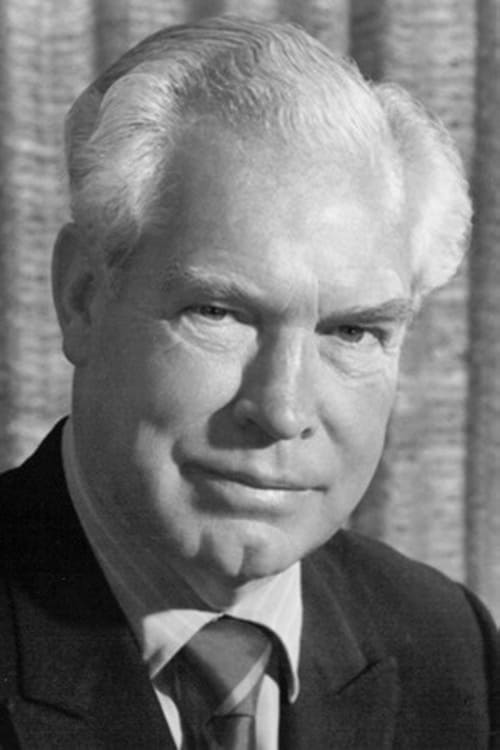
George O'Hanlon as George Jetson
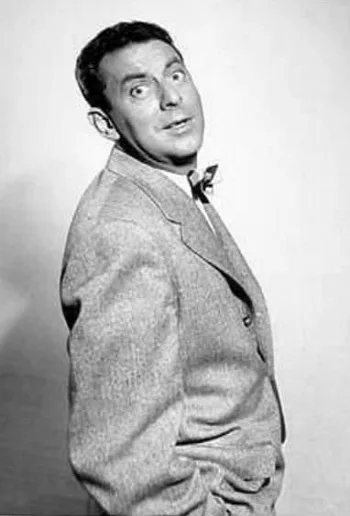
Mel Blanc as Mr. Cosmo Spacely
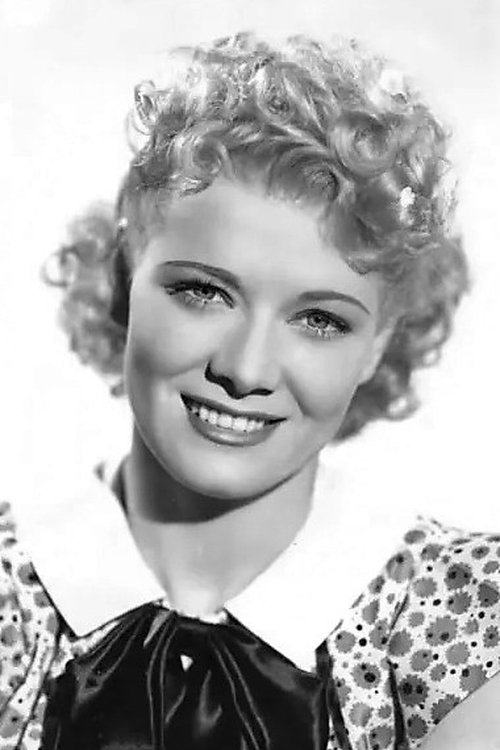
Penny Singleton as Jane Jetson
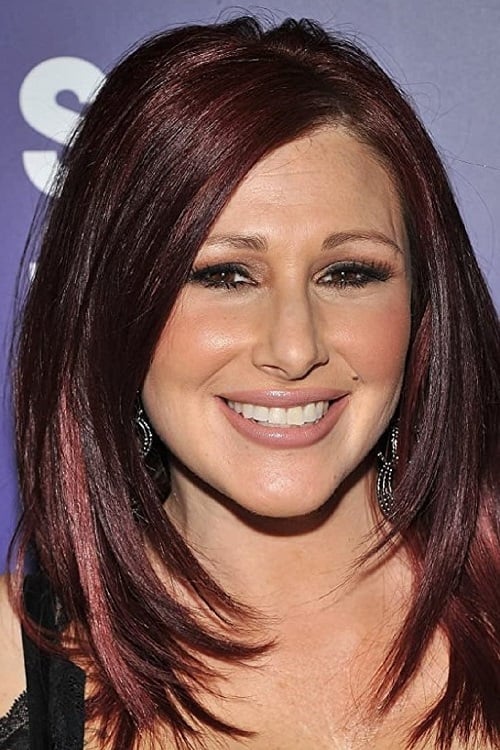
Tiffany as Judy Jetson
Patric Zimmerman as Elroy Jetson. Zimmerman replaced Elroy’s original voice actor Daws Butler after his death in 1988.
Don Messick as Astro the Space Mutt
Jean Vander Pyl as Rosie the Robot
Ronnie Schell as Rudy-2
Patti Deutsch as Lucy-2
Dana Hill as Teddy-2
Russi Taylor as Fergie Furbelow
Paul Kreppel as Apollo Blue
Rick Dees as Rocket Rick Ragnarok
Steve McClintock as Cosmic Cosmo
Additional voices
The following were credited under this section in the end credits:
Michael Bell as:
Basketball Coach
Board Member
Jeff Bergman as Board Member
Bergman also does additional uncredited dialogue for George Jetson and Mr. Spacely after the deaths of O'Hanlon and Blanc, both of whom died during the production of this movie.
Brian Cummings as "All My Asteroids" Announcer
Brad Garrett as Bertie Furbelow
Rob Paulsen as Board Member
Susan Silo as Gertrude
Janet Waldo as Robot Secretary
B.J. Ward as Gertie Furbelow
Jim Ward as Mac
Frank Welker as:
Squeep
Grungees
Basketball Coach
Astro (in some scenes)
Production
A Jetsons film started development when Paramount Pictures first tried to create a live-action version around 1985, which was to be executive produced by Gary Nardino. However, the project never got far into production, putting the film into a turnaround. Later on during the 1980s, Universal Pictures bought the film rights for The Jetsons from Hanna-Barbera Productions.
A problem that arose during the production of the film was the advanced age and poor health of several of the voice actors from the series, with Don Messick being the youngest at age 62. Daws Butler, the voice of Elroy, fell ill with a stroke and pneumonia in early 1988 and died on May 18, before he could record any lines for the film. Though Butler had been training Joe Bevilacqua and Greg Burson to succeed him, voice coordinator Kris Zimmerman brought in her then-husband Patric, then a relative unknown, to fill the role of Elroy. George O'Hanlon, who had already been ill throughout the 1980s revival, died of a stroke on February 11, 1989, after he finished recording his dialogue; voice director Andrea Romano later recalled that he could record for only an hour at a time and had his final stroke while at the studio. Mel Blanc also died during the production of the film on July 10, 1989. Voice actor Jeff Bergman would later step in and fill in for both O'Hanlon and Blanc as George Jetson and Mr. Spacely to complete their dialogue in additional scenes of the film.
Janet Waldo, the original voice of Judy Jetson, recorded the role for the film, but she was replaced by singer Tiffany, as studio executives hoped that Tiffany's involvement would result in a stronger box office performance. Waldo still provided the voice of a robot secretary and some of Judy's lines by Waldo remain in the film. Displeased with the casting change, Romano attempted to have her own name removed from the finished film. Tiffany said her singing voice was what initially drew the attention of Barbera. Tiffany sang three songs used in the film ("I Always Thought I'd See You Again", "You and Me" and "Home"), which are on the soundtrack album along with "Jetsons' Rap" by XXL and tracks by other artists. Tiffany did not write any of the songs, but she cited "I Always Thought I'd See You Again" as one of her favorites to sing.
Release
Jetsons: The Movie was originally slated for a December 1989 release, but it was delayed to avoid competition with Disney's The Little Mermaid, Don Bluth's All Dogs Go to Heaven (which were released on the same day), Universal's own Back to the Future Part II and Warner Bros.' National Lampoon's Christmas Vacation. Universal released The Wizard in its place.
Marketing
A behind-the-scenes featurette of the movie was showcased during the broadcast special Hanna-Barbera's 50th: A Yabba Dabba Doo Celebration that aired on TNT on July 17, 1989. The segment includes work in progress pencil tests, set designs of the environments and a recording session of the song "I Always Thought I'd See You Again" performed by Tiffany, the voice of Judy Jetson in the film.
During the summer of the film's release, Kool-Aid had a tie-in promotion in which Kool-Aid points could be redeemed for a red Jetsons toy car featuring the cast. However, the promotion was not carried by some theaters, and instead of a red Jetsons car, the points were redeemed for a miniature film poster. Wendy's restaurants had a Jetsons kids' meal tie-in. When clips were shown on television, scenes with George had re-dubbed lines from an unnamed voice actor. The commercials showed Wendy's founder Dave Thomas either in a theater watching the movie or at his restaurant promoting the film.
A tie-in simulator ride named The Funtastic World of Hanna-Barbera opened at Universal Studios Florida one month before the film's release. In the attraction, William Hanna and Joseph Barbera state that the Jetsons will star in their next project (presuming the film), which angers Dick Dastardly and Muttley and leads them to kidnap Elroy. Yogi Bear and Boo-Boo Bear must save Elroy by riding through the worlds of The Flintstones, Scooby-Doo, and The Jetsons. Merchandise based on the film and other Hanna-Barbera-related stuff was sold at the ride's gift shop. Also in 1990, Ralston released an apple and cinnamon–flavored Jetsons cereal.
Home media
The film was first released on home video on VHS, Betamax, and Laserdisc on October 25, 1990. In contrast to the theatrical release, the initial video release presented it in an open matte full screen format. It proved successful in the home video market, and finished in the top 40 best-selling videos of 1991 in the United States. On April 28, 2009, it received a region 1 DVD release in its original widescreen format, with a re-release in new packaging art on September 8, 2015. Prior to this, the film had only been released on DVD in international countries such as Europe and Australia in the early 2000s. It is also available via digital download on platforms such as the iTunes Store. A Region B Blu-ray was released on June 6, 2016, and in Region A on February 16, 2021, by Kino Lorber (under license from Universal). This release included a commentary track by author and film historian Lee Gambin, an audio interview with Jeff Bergman, the option for viewers to listen to John Debney's music score in 5.1 DTS-HD and in lossless stereo, and the film's theatrical trailer.
Reception
Box office
The film opened at fourth place, behind Die Hard 2, Days of Thunder and Dick Tracy, with a weekend gross of $5 million from 1,562 theaters. The film then lost 43% of its audience in its second weekend, falling to tenth place with a second weekend gross of $2.9 million, and bringing its ten-day gross to $10.9 million. It ended up grossing just $20.3 million in the United States. While the film was made on a modest budget of $8 million, Universal spent $12 million on a costly unsuccessful marketing campaign, which effectively prevented the film from turning a profit.
Critical response
On review aggregation website Rotten Tomatoes, the film has an approval rating of 27% based on 15 reviews, with an average rating of 4.4/10. On Metacritic, it has a score of 46 out of 100 based on 17 reviews indicating "mixed or average" reviews.
Charles Solomon of the Los Angeles Times criticized the filmmakers for not deciding "whether they're making a with-it musical for teen-agers or re-creating the ingenuous humor of a '60s TV show". He also criticized the film's use of CGI, claiming it makes the 2D characters "look as though they stumbled in from another film. Their prominent shadows give them an odd, plastic texture, but don't help them fit into the computerized world." Siskel & Ebert gave this film two thumbs down, citing both the story and the animation as having "no imagination whatsoever". Roger Ebert later named it one of the ten worst films of 1990.
Janet Maslin of The New York Times wrote the film would "appeal only to small children, and only to the most patient among them. On the positive side, it has a bright, perky look and a few amusing gadgets, like the machine that bathes and washes George Jetson after ejecting him from his bed...On the other hand, the film isn't any more fascinating than the television cartoon series that inspired it. It's only longer." William Thomas of Empire gave the film two out of five stars, stating "it's not nearly exciting enough and at an hour and twenty minutes is overlong for animation fans, yet by virtue of the fact it's a cartoon, it presents itself as too childish for older live action devotees."