Initial release
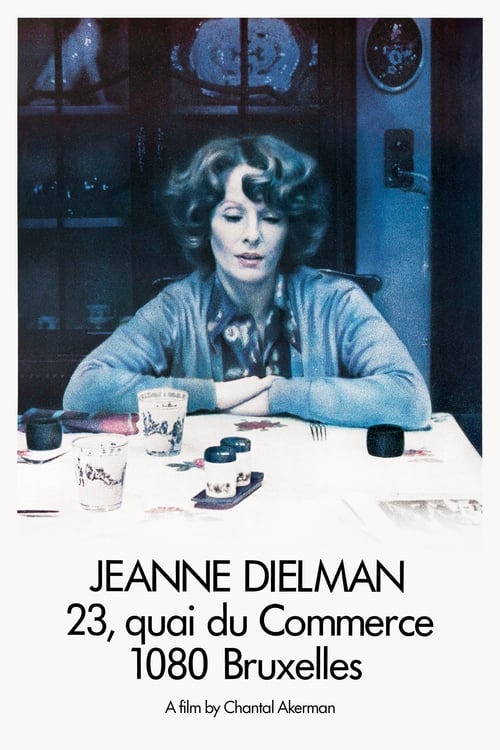
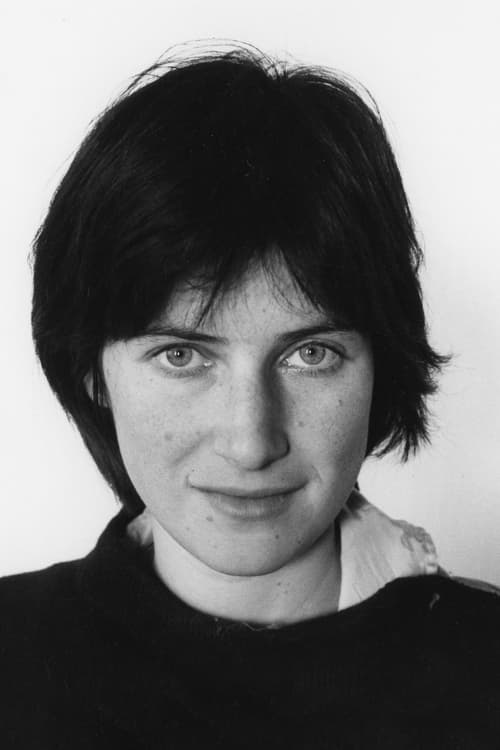
Jeanne Dielman, 23 quai du Commerce, 1080 Bruxelles premiered in the Directors' Fortnight of the 1975 Cannes Film Festival. It was initially met with mixed critical reception; many criticized it as a boring or meaningless exercise in minimalism, while others praised its visuals and use of time. The film's exposure and financial success in Europe helped Akerman to obtain funding for her 1978 film Les Rendez-vous d'Anna. Jeanne Dielman was not released in the United States until 1983.
Upon its release, critic Louis Marcorelles called it the "first masterpiece of the feminine in the history of the cinema". Jonathan Rosenbaum defended the film's length and pace, saying that it "needs its running time, for its subject is an epic one, and the overall sweep ... trains one to recognize and respond to fluctuations and nuances. If a radical cinema is something that goes to the roots of experience, this is at the very least a film that shows where and how some of these roots are buried". Critic Gary Indiana said that "Akerman's brilliance is her ability to keep the viewer fascinated by everything normally left out of movies". B. Ruby Rich said that "never before was the materiality of woman's time in the home rendered so viscerally ... She invents a new language capable of transmitting truths previously unspoken". Marsha Kinder called it "the best feature that I have ever seen made by a woman". Akerman was reluctant to be seen as a feminist filmmaker, stating that "I don't think woman's cinema exists".
The film has been characterized as an exemplar of the slow cinema genre, in which time is foregrounded and narrative action is downplayed. Critic Richard Brody called it a "tour de force of cinematic modernism [that] puts time onscreen as it was never seen before". Critic Jessica Winter wrote that "the film's strength derives in significant part from its austerity, patience, and extreme discipline", calling attention to its use of fixed shots, long takes, and absence of closeups or reaction shots. Winter asserted that "as the minutes and hours pass, Akerman rewards the viewer's attention by recalibrating it". In a 2009 essay, Ivone Marguilies observed that the film was "fully in tune" with the European women's movement of the time, and that feminist critics welcomed its "rigorous alignment of sexual/gender politics with a formal economy—showing cooking and hiding sex—... as an impressive alternative to well-intentioned but conventional political documentaries and features".
Jeanne Dielman, 23 quai du Commerce, 1080 Bruxelles has garnered a cult following and praise from the film community with filmmakers Todd Haynes, Gus Van Sant, and Céline Sciamma have drawn explicit influence from the film; Van Sant named it an inspiration for his own similar films Gerry (2002) and Elephant (2003). The film has also been subject to spoofs and parodic versions. With the release of the DVD edition by The Criterion Collection in 2009, the company held a contest that invited fans to create cooking videos inspired by the film, and to post them on YouTube. On the review aggregator website Rotten Tomatoes, 95% of 64 critics' reviews are positive, with an average rating of 9/10. The website's consensus reads: "Jeanne Dielman, 23 Quai du Commerce, 1080 Bruxelles offers a lingering, unvarnished, and ultimately mesmerizing look at one woman's existence." Metacritic, which uses a weighted average, assigned the film a score of 94 out of 100, based on 16 critics, indicating "universal acclaim".