Isabelle Yasmine Adjani (French pronunciation: [izabɛl adʒani]; born 27 June 1955) is a French actress and singer, known for portraying tragic and emotionally complex characters across various genres, particularly psychological films. She has received various accolades, including five César Awards, a Lumière Award and a Best Actress Award at the Cannes Film Festival, along with nominations for two Academy Awards. Adjani was made a Chevalier of the Légion d'honneur in 2010 and a Commandeur of the Ordre des Arts et des Lettres in 2014.
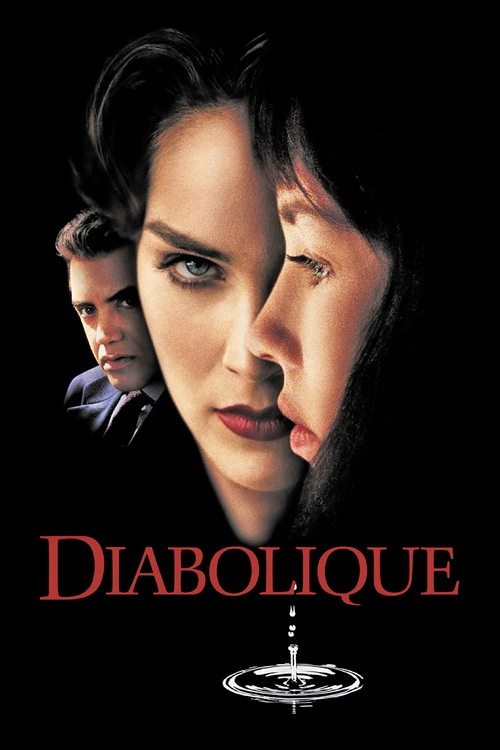
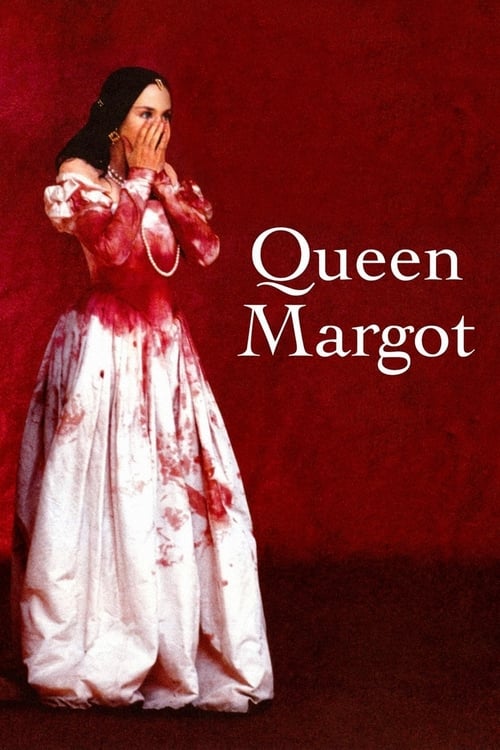
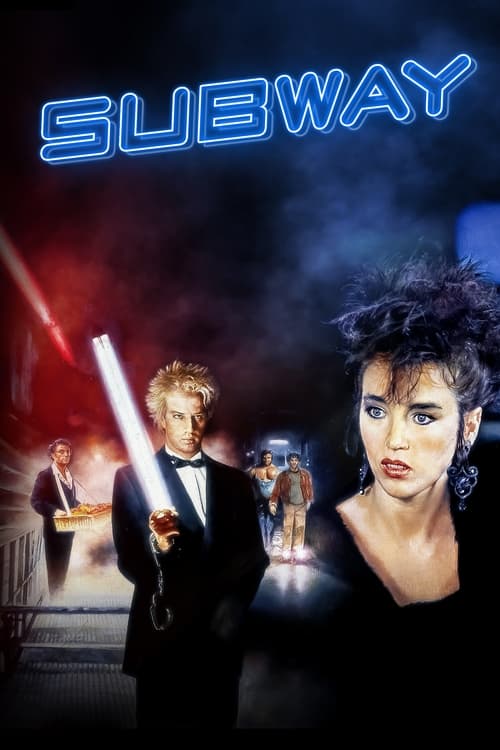
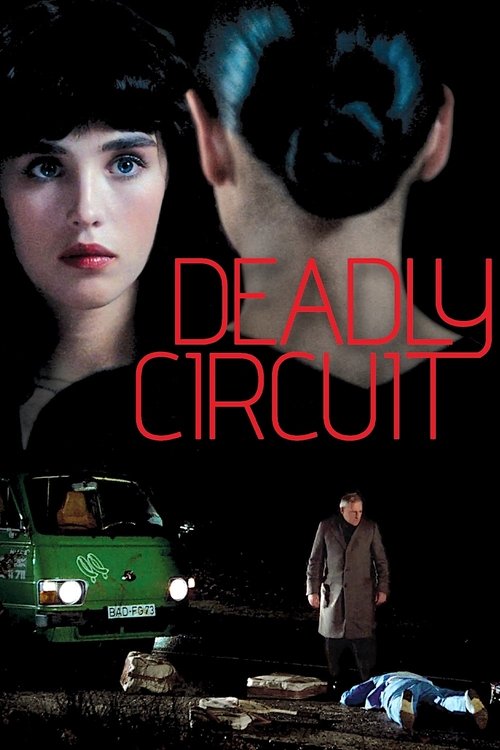
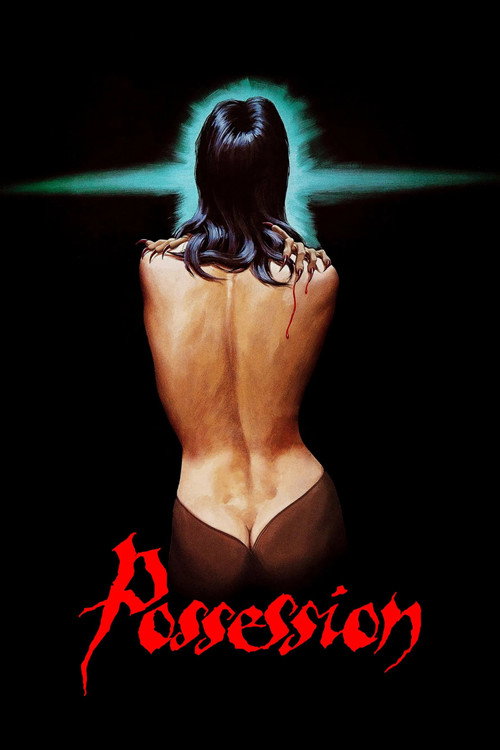
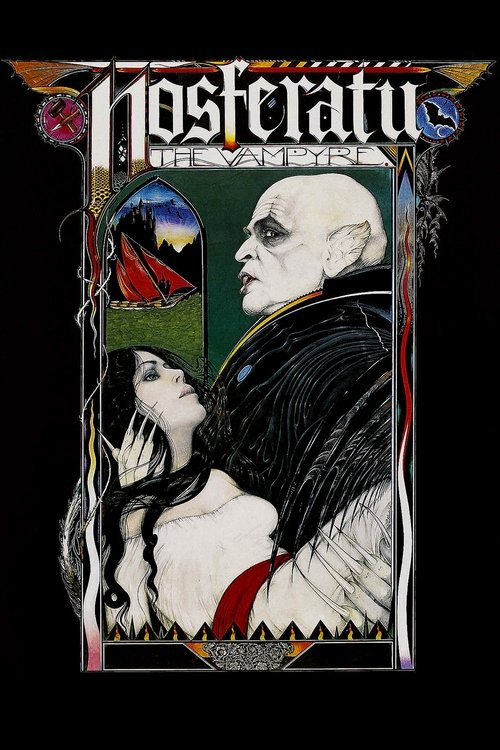
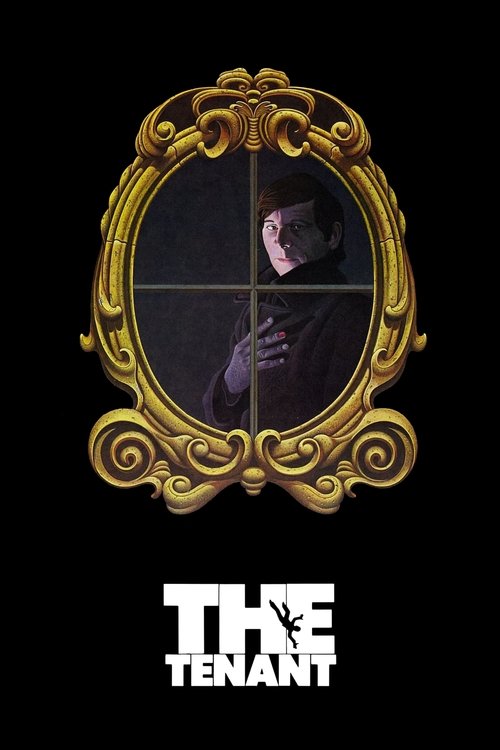
Adjani has won a record five Césars for Best Actress for Possession (1981), One Deadly Summer (1983), Camille Claudel (1988), La Reine Margot (1994), and La Journée de la jupe (2009). Her other César-nominated roles were in The Story of Adèle H. (1975), Barocco (1976), Subway (1985), and The World Is Yours (2018). Other notable films include The Slap (1974), The Tenant (1976), The Driver (1978), Nosferatu the Vampyre (1979), All Fired Up (1982), Deadly Circuit (1983), Ishtar (1987), Diabolique (1996), Adolphe (2002), Bon voyage (2003), French Women (2014), and Peter von Kant (2022).
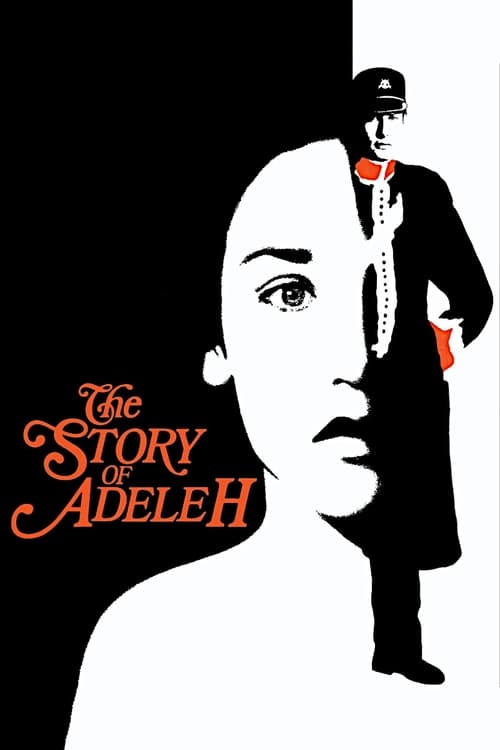
Adjani came to international prominence for her portrayal of Adèle Hugo in The Story of Adele H., for which she was nominated for the Academy Award for Best Actress at age 20, becoming the youngest nominee in the category at the time. She later collected a second Best Actress nomination for portraying Camille Claudel in Camille Claudel, thus becoming the first French actress to receive two Academy Award nominations for foreign-language films. Adjani also won the Cannes Film Festival's Best Actress Award for her performances in Possession and Quartet (1981), which makes her the only actress to win a joint award for two films in the same competition slate, and the Berlinale's Silver Bear for Best Actress for Camille Claudel.
Contents
Early life and education
Isabelle Yasmine Adjani was born on 27 June 1955 in the 17th arrondissement of Paris, to Mohammed Cherif Adjani, an Algerian Muslim from Constantine, and Emma Augusta "Gusti" Schweinberger, a German Catholic from Bavaria.
Adjani's parents met near the end of World War II, when her father was in the French Army and stationed in Germany. They married and her mother returned with him to Paris, despite not speaking a word of French. She asked him to take Cherif as his first name as she thought it sounded more "American".
Isabelle grew up bilingual, speaking French and German fluently, in Gennevilliers, a northwestern suburb of Paris, where her father worked in a garage. After winning a school recitation contest, Adjani began acting by the age of 12 in amateur theater. She successfully passed her baccalauréat and was auditing classes at the University of Vincennes in 1976.
Adjani had a younger brother, Éric, who was a photographer. He died on 25 December 2010, aged 53.
Acting career
At the age of 14, Adjani starred in her first motion picture, Le Petit Bougnat (1970). She first gained fame as a classical actress at the Comédie-Française, which she joined in 1972. She was praised for her interpretation of Agnès, the main female role in Molière's L'École des femmes. She soon left the theatre to pursue a film career.
After minor roles in several films, she enjoyed modest success in the 1974 film La Gifle (The Slap), which François Truffaut saw. He immediately cast her in her first major role in The Story of Adèle H. (1975), a project that he had finished writing five years prior but had waited to cast the right actress for the part. Critics unanimously praised her performance, with the American critic Pauline Kael describing her acting talents as "prodigious".
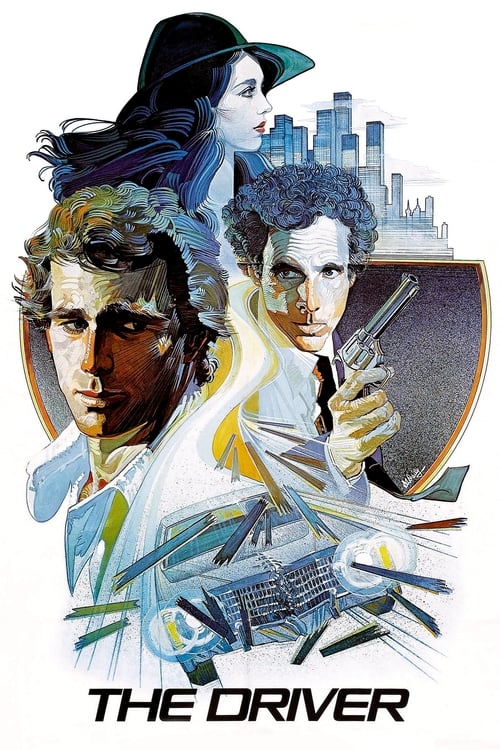
Only 19 when she made the film, Adjani was nominated for the Academy Award for Best Actress in a Leading Role, becoming the youngest Best Actress nominee at the time (a record she held for almost 30 years). She quickly received offers for roles in Hollywood films, such as Walter Hill's 1978 crime thriller The Driver. She had previously turned down the chance to star in films like The Other Side of Midnight. She had described Hollywood as a "city of fiction" and said, "I'm not an American. I didn't grow up with that will to win an award." Truffaut on the other hand said, "France is too small for her. I think Isabelle is made for American cinema." She agreed to make The Driver because she was an admirer of Hill's first film Hard Times. Adjani said:
I think he is wonderful, very much in the tradition of Howard Hawks, lean and spare. The story is contemporary but also very stylized, and the roles that Ryan and I play are like Bogart and Bacall. We are both gamblers in our souls and we do not show our emotions or say a lot. For us, talk is cheap. I am really quite a mysterious girl in this film, with no name and no background. And I must say that it is restful not to have a life behind me; this way, I don't have to dig deep to play the part. All I know is that life for me is gambling and I am a loser. I have what people call a poker face.
The film was seen more than 1.1 million times in Adjani's native France but did not do as well in the US.
Personal life
In 1979, Adjani had a son, Barnabé Saïd Nuytten, with the cinematographer Bruno Nuytten. She later hired Nuytten to direct her project Camille Claudel, a biopic of the sculptor who was the lover of Rodin.
During the mid-eighties, she had a relationship with Warren Beatty. He convinced her to appear with him in the epic comedy Ishtar, directed by Elaine May, co-starring Dustin Hoffman, and shot in Morocco.
From 1989 to 1995, she had a relationship with Daniel Day-Lewis, which ended before the birth of their son, Gabriel-Kane Day-Lewis, in 1995.
Adjani was later engaged to the composer Jean-Michel Jarre; they broke up in 2004.
On 14 December 2023, Adjani was handed a two-year suspended sentence for tax fraud.
Views
Adjani has been vocal against anti-immigrant and anti-Algerian sentiments in France. In 2009, she criticized statements by Pope Benedict XVI, who claimed that condoms are not an effective method of AIDS prevention.
In September 2009, she signed a petition in support of Roman Polanski, calling for his release after he was arrested in Switzerland in relation to his sexual abuse case.
In 2017, Adjani was interviewed by Vincent Josse on the French public radio station France Inter. During the interview, she expressed her vaccine hesitancy and opposition to mandatory vaccination.
In 2018 Adjani signed a letter calling to act "firmly and immediately" for stopping climate change and biodiversity loss.
Performances and works
Discography
1983: Pull Marine (Mercury/Universal)
1983: Journal by Alice James (Audiobook Éditions des Femmes)
1986: Princesse au petit pois / Léon dit (Mercury)
2003: Bon voyage (original film soundtrack Bon voyage by Jean-Paul Rappeneau)
2004: On ne sert à rien, by and with Pascal Obispo (album Sidaction, Ensemble contre le Sida, 10 ans ensemble)
2005: Je ne peux plus dire je t'aime, by and with Jacques Higelin (album Higelin Entre 2 Gares) (EMI)
2008: Wo wo wo wo, by and with Christophe (album Aimer ce que nous sommes)
2018 : Albert Camus et Maria Casarès, Correspondance (1944-1959) with Lambert Wilson (Audiobook Gallimard)
2018: D'accord, by and with Pascal Obispo, with Youssou N'Dour (album Obispo)
2019: Meet me by the Gates, by and with The Penelopes
2021: Revolution #49 (album Hey Clockface / La Face de pendule à coucou by Elvis Costello)
2021: Sous le soleil exactement (album Les Pianos de Gainsbourg by André Manoukian)
2021: Quelques mots, by and with Malik Djoudi (album Troie)
2022: The Last Goodbye, with The Penelopes
2022: Jeder tötet was er liebt (original film soundtrack Peter von Kant by François Ozon)
Bibliography
2024: Du côté de chez Marilyn, written with Olivier Steiner (L'Observatoire)
Accolades and honours
Adjani was made a Knight of the Legion of Honour on 14 July 2010 for her contributions to the arts. She was appointed Commander of the Ordre des Arts et des Lettres in 2014.