

Category 3 Isaias Nears Alabama-Florida Coast
The National Hurricane Center is monitoring a broad low-pressure area that may form over the southwestern Gulf of Mexico, with development expected to be slow and a 30% chance of becoming a tropical depression or storm within seven days. It is too early to assess possible Gulf Coast impacts; if a storm forms, it would be named Isaias, in a season that has yet to produce an Atlantic hurricane.
Weather · 904 sources · 16mRead it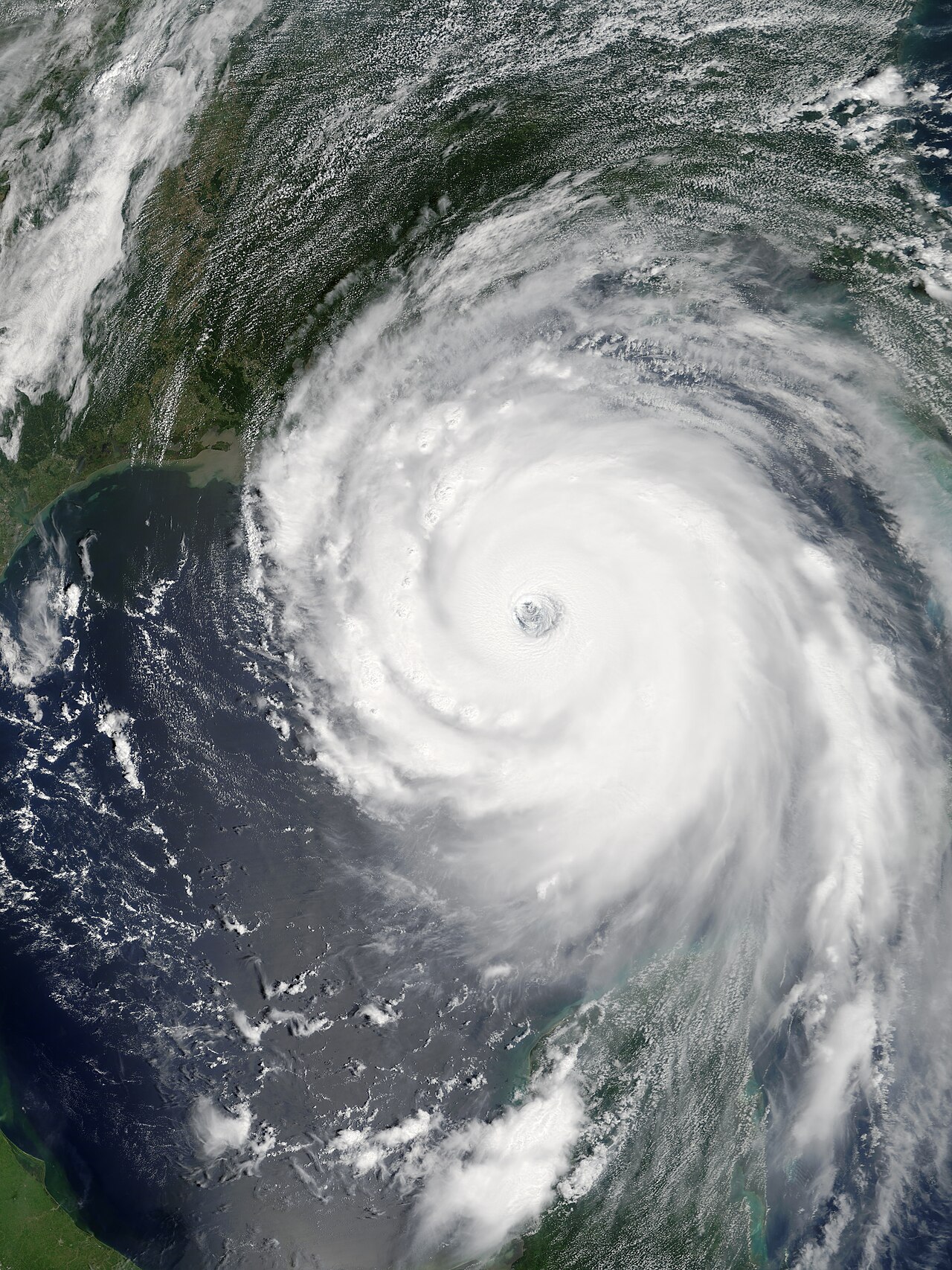

The journal
Open the journal →The conversation starts in the journal — be the first to post.
About Hurricane Isaias
Hurricane Isaias was a destructive tropical cyclone that caused extensive damage across the Caribbean and the East Coast of the United States while also giving rise to the strongest tropical cyclone-spawned tornado since Hurricane Rita in 2005. The ninth named storm and second hurricane of the extremely active and record-breaking 2020 Atlantic hurricane season, Isaias originated from a vigorous tropical wave off the coast of Africa that was first identified by the National Hurricane Center on July 23. The tropical wave gradually became more organized and obtained gale-force winds on July 28 before organizing into Tropical Storm Isaias on July 30. Isaias marked the earliest ninth named storm on record, surpassing 2005's Hurricane Irene by eight days. Isaias strengthened into a Category 1 hurricane on the next day, reaching an initial peak of 85 mph (140 km/h), with a minimum central pressure of 987 mbar. On August 1, the storm made landfall on North Andros, Bahamas and subsequently weakened to a tropical storm, before paralleling the east coast of Florida and Georgia. As Isaias approached the Carolina coastline, it reintensified back into a hurricane. Soon afterward, Isaias reached its peak intensity, with maximum 1-minute sustained winds of 90 mph (150 km/h) and a minimum central pressure of 986 millibars (29.1 inHg), before making landfall near Ocean Isle Beach, North Carolina, at 03:10 UTC on August 4, at the same intensity. The storm proceeded to accelerate up the East Coast of the United States as a strong tropical storm, before transitioning into an extratropical cyclone over Quebec on August 4. Isaias's extratropical remnants persisted for another day, before dissipating on August 5.
Everything about Hurricane Isaias →