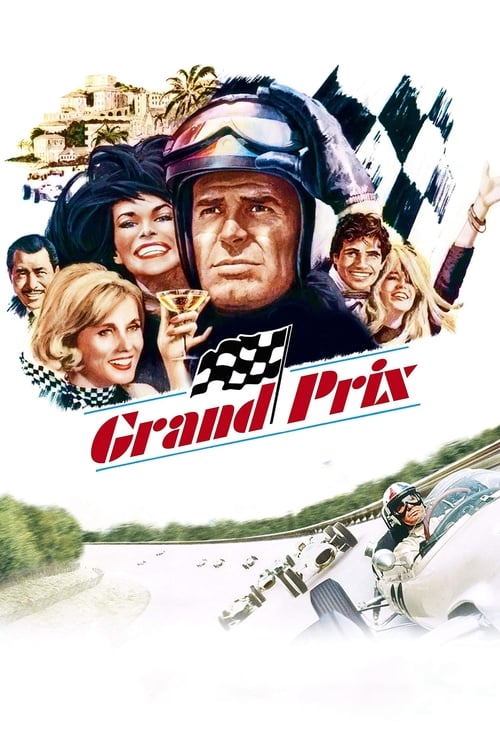
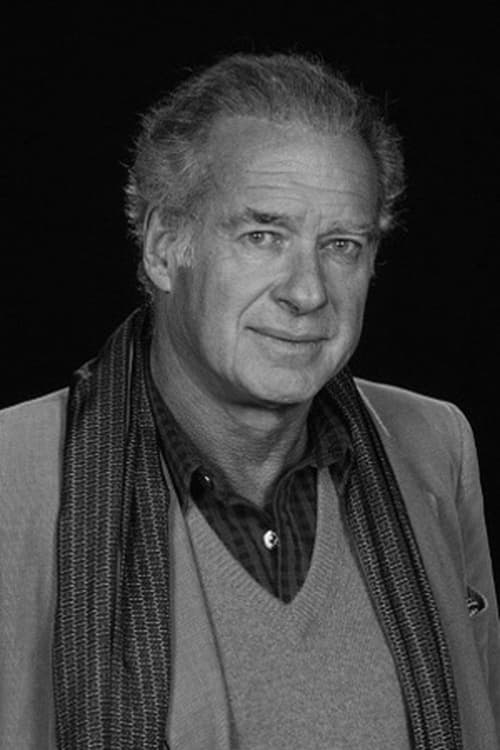
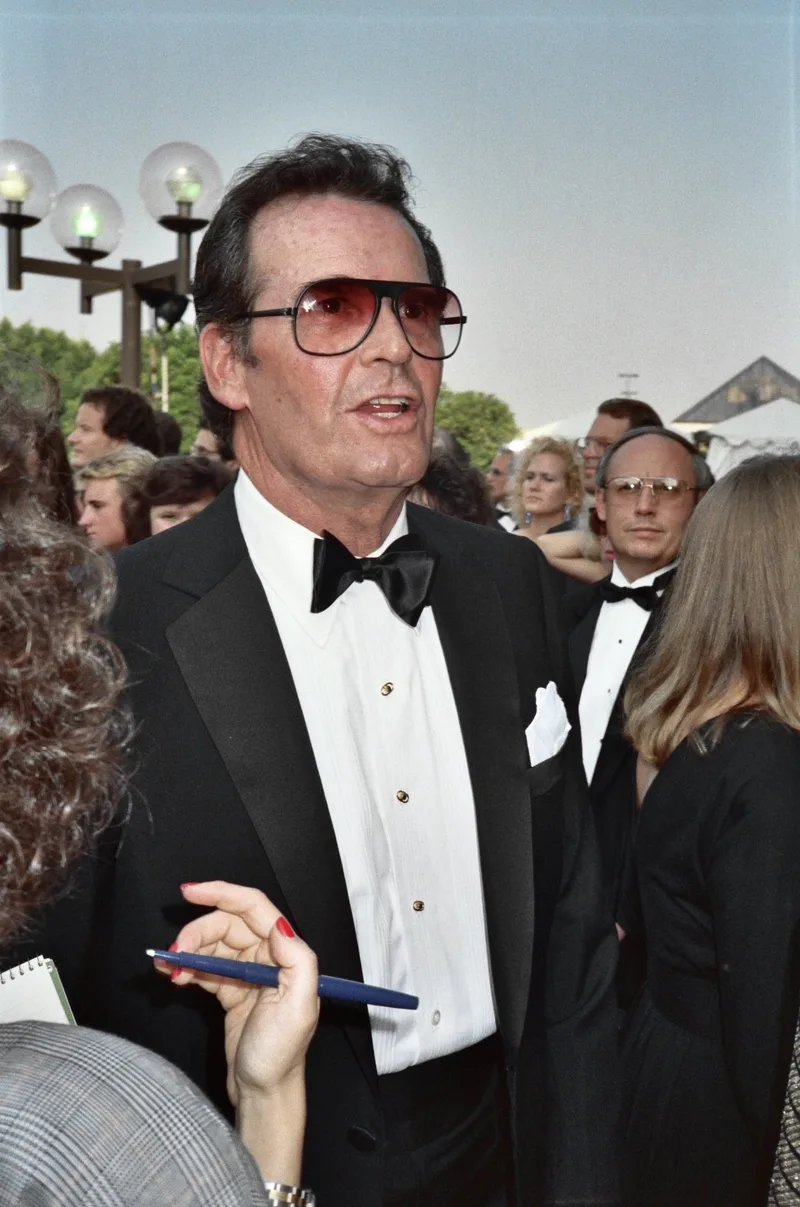

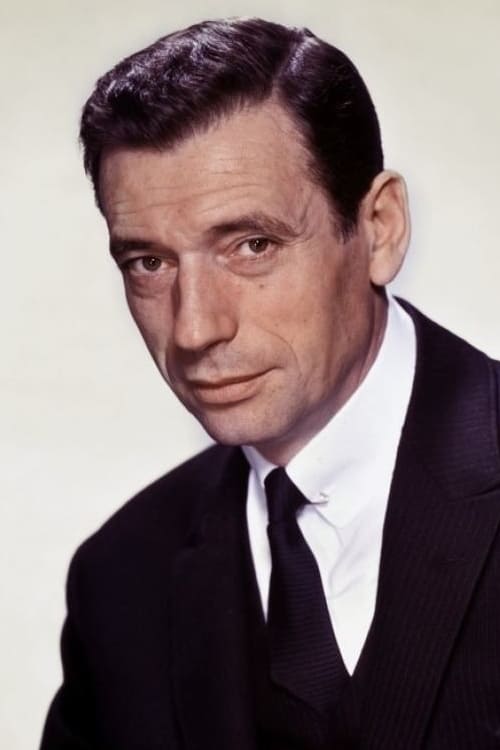

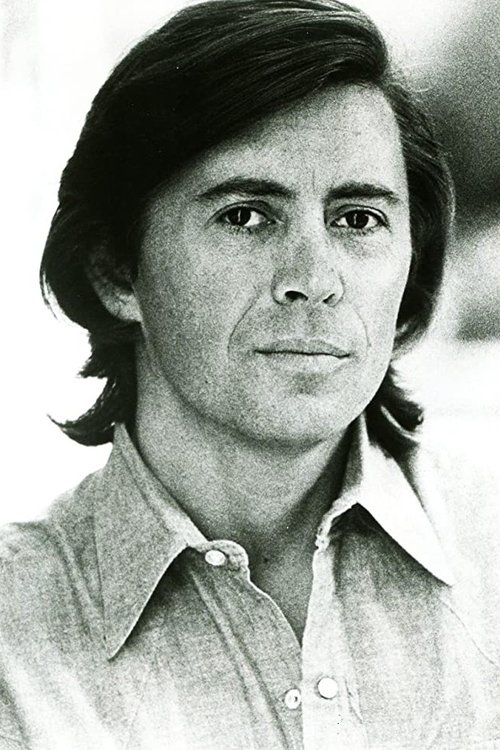
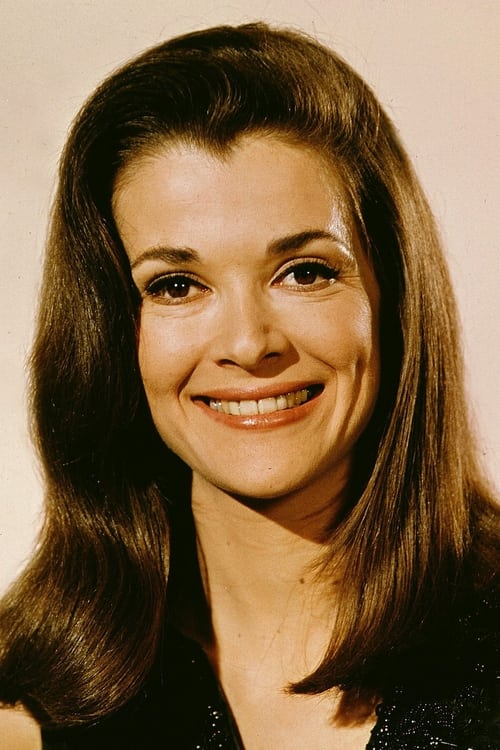
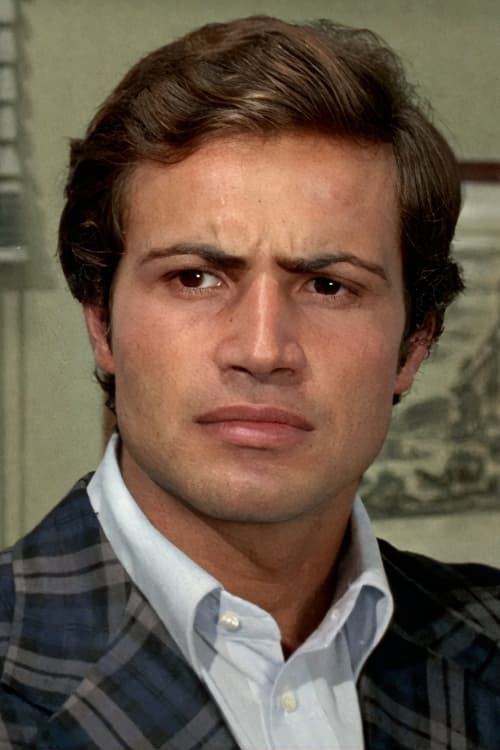
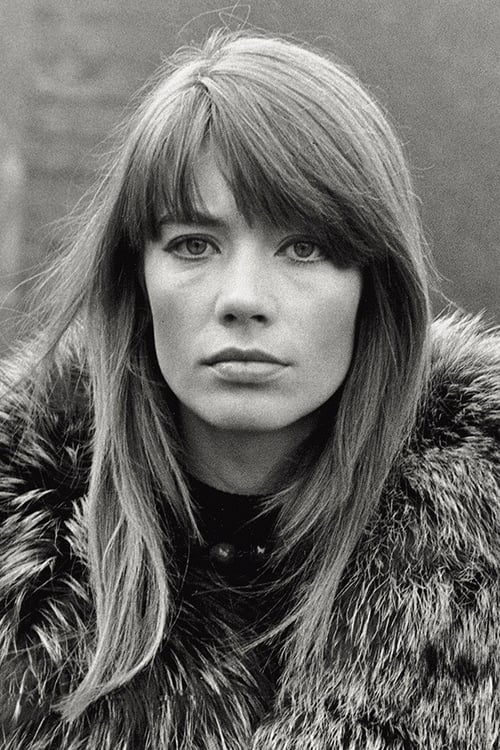

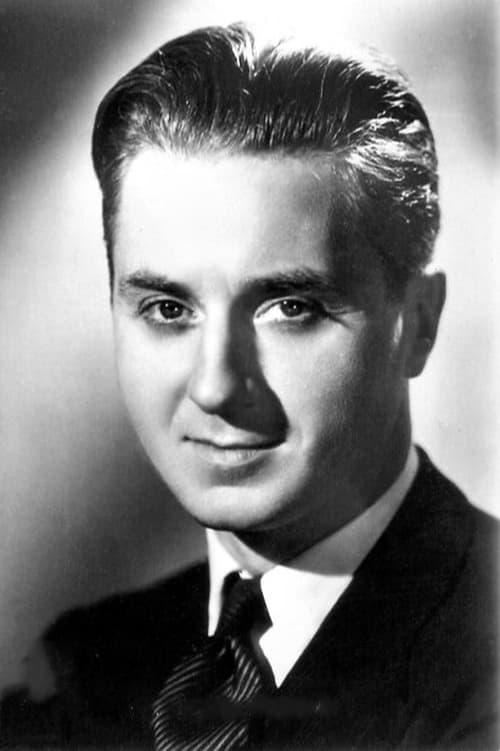

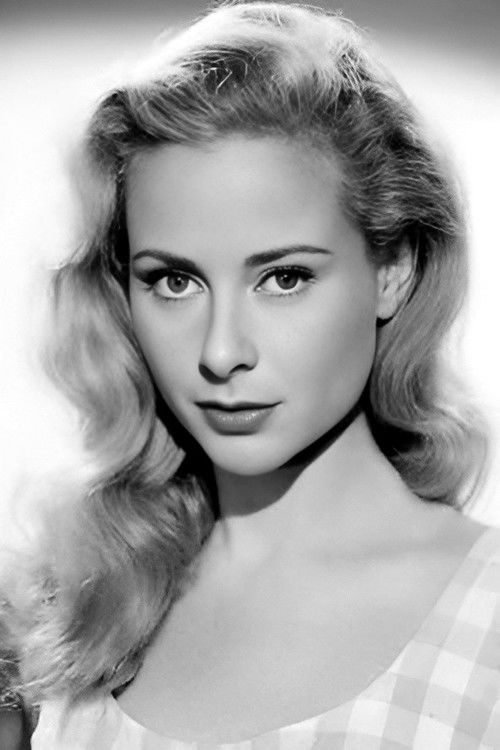
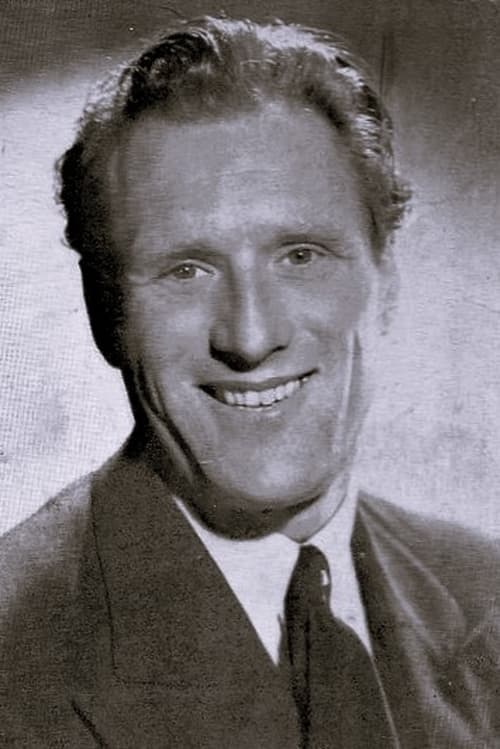
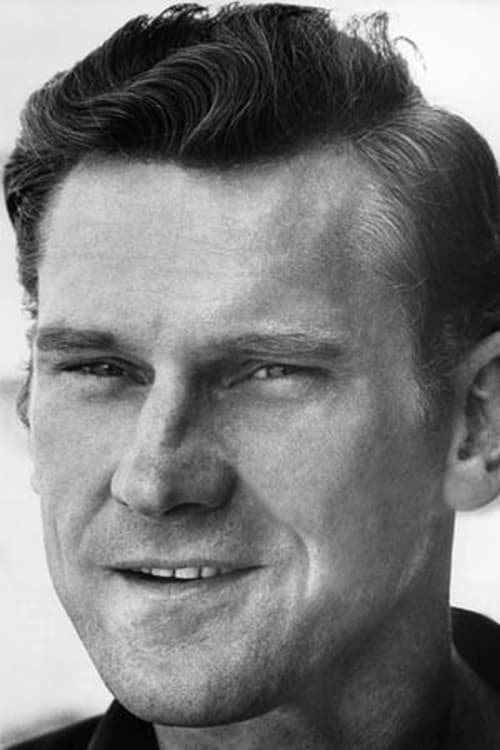
Grand Prix is a 1966 American sports drama film about Formula One racing, directed by John Frankenheimer, produced by Edward Lewis, and written by Robert Alan Aurthur with uncredited story contributions by Frankenheimer and rewrites by William Hanley. It stars an international ensemble cast, including James Garner, Eva Marie Saint, Yves Montand, Toshiro Mifune, Brian Bedford, Jessica Walter, Françoise Hardy and Antonio Sabàto.
The film includes real-life racing footage and cameo appearances by drivers including Formula One World Champions Phil Hill, Graham Hill, Juan Manuel Fangio, Jim Clark, Jochen Rindt and Jack Brabham. Other drivers who appeared in the film include Dan Gurney, Lorenzo Bandini, Bob Bondurant, Ludovico Scarfiotti, Richie Ginther, Joakim Bonnier, Bruce McLaren and Jo Siffert. The film was photographed in Super Panavision 70 by Lionel Lindon and presented in 70mm Cinerama in premiere engagements. Its unique racing cinematography is one of the main draws of the film.
One of the ten highest-grossing films of 1966, Grand Prix won three Academy Awards for its technical achievements.
Contents
Plot
The story follows four Formula One drivers through a fictionalized version of the 1966 Formula One season:
Jean-Pierre Sarti (Ferrari) – A Frenchman who has been World Champion twice, is nearing the end of his career and is feeling increasingly cynical about racing itself.
Pete Aron (first Jordan BRM, then Yamura) – An American attempting to repeat past successes and overcome his reputation as a reckless, second-tier driver; he signs with the newcomer Yamura Motors.
Scott Stoddard (Jordan BRM) – A British driver recuperating from a bad crash that left him hospitalized; he becomes dogged by recurrent pains while dealing with the emotional turmoil of his rocky marriage.
Nino Barlini (Ferrari) – A charismatic yet arrogant Italian racer, he's Ferrari's No. 2 driver, being a promising rookie and former world motorcycle champion.
The film's plot involve three women who have close relationships with the four drivers. The married Sarti begins an affair with American magazine writer Louise Frederickson, who initially has little interest in motorsports. Aron has a brief romantic affair with Stoddard's unhappy wife Pat while Stoddard deals with living in the shadow of his family's history, being unsure if he can live up to the prestigious racing legacy of his late brother.
The story concludes at the Italian Grand Prix, its winner likely to become World Champion. Sarti's wife Monique shows up just before it begins; she comes face-to-face with Louise and tells Sarti that she'll never grant him a divorce, even as Sarti wishes to end their unhappy union. Sarti's car has technical difficulties at the race's start, with the other drivers facing a close contest for first. Sarti is killed in a spectacular crash. In recognition, his Ferrari teammate, Barlini, is flagged off the course by team leader Manetta, resulting in a tight race between Aron and Stoddard to the finish line, Aron getting the checkered flag. While a jubilant Aron magnanimously invites Stoddard to the winner's platform to join him, the shock of Sarti's death takes its toll on the celebration. The film ends with Aron alone, walking along the circuit of the final racetrack.
Cast
James Garner as Pete Aron
Yves Montand as Jean-Pierre Sarti
Brian Bedford as Scott Stoddard
Antonio Sabàto as Nino Barlini
Toshiro Mifune as Izo Yamura
Paul Frees as Yamura's voice
Adolfo Celi as Agostino Manetta
Claude Dauphin as Hugo Simon
Jack Watson as Jeff Jordan
Donald O'Brien as Wallace Bennett
Albert Rémy as a field doctor
Eva Marie Saint as Louise Frederickson
Jessica Walter as Pat Stoddard
Françoise Hardy as Lisa
Enzo Fiermonte as Guido
Geneviève Page as Monique Delvaux-Sarti
Rachel Kempson as Mrs. Stoddard
Ralph Michael as Mr. Stoddard
Production
Director John Frankenheimer later said when he made the film he had the "choice of making a Grand Hotel type picture or a Test Pilot type picture" and he chose the former. Swedish actress Harriet Andersson was originally cast as the female lead, but was replaced by Eva Marie Saint after the first week of filming.
The making was a race itself as fellow Hollywood icons Steve McQueen and John Sturges planned to make a similar movie exploring the life of racers, with the McQueen/Sturges team initially using the title Day of the Champion. Due to the McQueen/Sturges production's exclusivity contract with the German Nürburgring race track, Frankenheimer had to turn over 27 reels shot there to Sturges. Frankenheimer got ahead in schedule terms anyway, however, and McQueen's project ran into a wide variety of financial and other problems, causing a five-year delay until the 1971 release of the retitled film, Le Mans.
The production team began by using connections to Grand Prix drivers such as Dan Gurney, Carroll Shelby and former Grand Prix World Champion Phil Hill, who all assisted them in trying to break through an otherwise reluctant European establishment. The filming process meant disrupting vital practice runs and otherwise getting in the way of the actual racers' activities. The Grand Prix team initially faced a particularly lukewarm response from Ferrari, with the firm concerned that the movie would overly sensationalize their work. Frankenheimer spliced together approximately thirty minutes of detailed footage after filming in Monte Carlo, temporarily halted the movie's production, and sent the short piece over to the company's management. He received such a positive response that he gained unprecedented access, being allowed to shoot inside Ferrari's production floor alongside the real racing vehicles. The director used this budding relationship to push other entities to help with the film-making process. Many real-life drivers of the era ended up making cameo appearances in Grand Prix, several even briefly speaking alongside the actors.
The F1 cars in the film are mostly mocked-up Formula Three cars made to look like contemporary Formula One models, although the film also used footage from actual F1 races. Because Yamura Motors is a fictional race team, the producers struck a deal with Bruce McLaren's newly formed McLaren team to have his car, the McLaren M2B, painted with Yamura's colors. The paint scheme used was designed to resemble that used on the contemporary Honda RA272 cars competing during this period. On two occasions, because the McLaren could not take part in these races, another car was painted in the same colours: Bob Bondurant's BRM at Spa, and at Zandvoort for the Dutch GP, the Lotus 25 BRM entered by Reg Parnell for Mike Spence.
Reception
Box office
The film grossed $20.8 million in the United States and Canada. It was one of the ten highest-grossing films of 1966. Theatrical rentals generated $9.3 million for the studio.
Critical
Upon its 1966 release, New York Times critic Bosley Crowther called the film "a smashing and thundering compilation of racing footage shot superbly at the scenes of the big meets around the circuit, jazzed up with some great photographic trickery ... Mr. Frankenheimer belts you with such a barrage of magnificent shots of the racing cars, seen from every angle and every possible point of intimacy, that you really feel as though you've been in it. The octane pace race editing, interspersed with proper high speed car-to-car camera angles; long drivers' Point-of-View (POV) angles (try to stop your head moving in sync with the turns...); and a revolutionary split-screen device motif, further introducing car racing footage not seen before in modern film. Furthermore, the director and Saul Bass fill that mammoth screen from time to time with these split-screens and montages that made the racing sequences fairly jump with pure octane . Triple and quadruple panels and even screen-filling checkerboards ... hit the viewer with stimulations that optically generate a sort of intoxication with racing. It's razzle-dazzle of a random sort, but it works." However, Crowther concluded "the big trouble with this picture ... is that the characters and their romantic problems are stereotypes and clichés... You come away with the feeling that you've seen virtually everything there is to see in grand-prix racing, except the real guys who drive those killer cars."
Variety called the film "one of those rare pictures that draws its basic strength, excitement and interest-arresting potential through the visual (the pure art of cinema) and if it lacked brilliant virtuosity in the action department it would be just another flimflam." Philip K. Scheuer of the Los Angeles Times called it "the new, definitive, great film about auto racing", adding that after three hours "if one emerged with the feeling that maybe there has been just too much, here is one case in which I can state happily that it is better than too little." Leo Sullivan of The Washington Post wrote, "John Frankenheimer's 'Grand Prix' is brought alive with cinematic innovations and is frequently set ablaze with excitement." Brendan Gill of The New Yorker described the film as "big, brave, eye-bedazzling, earsplitting, and sometimes almost heart-stopping." The Monthly Film Bulletin wrote, "The cars, of course, steal all the thunder, but one is a little disappointed to find the drivers and their private lives so little elevated beyond the level of pulp fiction. Still, as a spectacle Grand Prix is on the whole such a success that the fact it isn't anything more than a spectacle hardly matters."
Forty-five years later, upon its release on Blu-ray Disc, The New York Times reviewed the film again, with Dave Kehr saying in 2011 "considered purely from a technical point of view, the new disc is a beauty, with crisp, richly textured images that do justice to the original 65-millimeter Super Panavision format, and a roaringly dimensional soundtrack ... As a movie, though, Grand Prix was never that grand. First shown as a reserved-seat, road-show attraction in Cinerama theaters, it is little more than a 176-minute version of the roller-coaster ride This Is Cinerama that introduced the format in 1952, a high-speed tour of the principal stops on the Formula One tour, with the spectator, as often as possible, strapped into the driver's seat."
Accolades
At the 39th Academy Awards, Grand Prix won Oscars for Best Sound Effects (Gordon Daniel), Best Film Editing (Henry Berman et al.) and Best Sound (Franklin Milton). John Frankenheimer was nominated for Outstanding Directing by the Directors Guild of America.


