Critical response
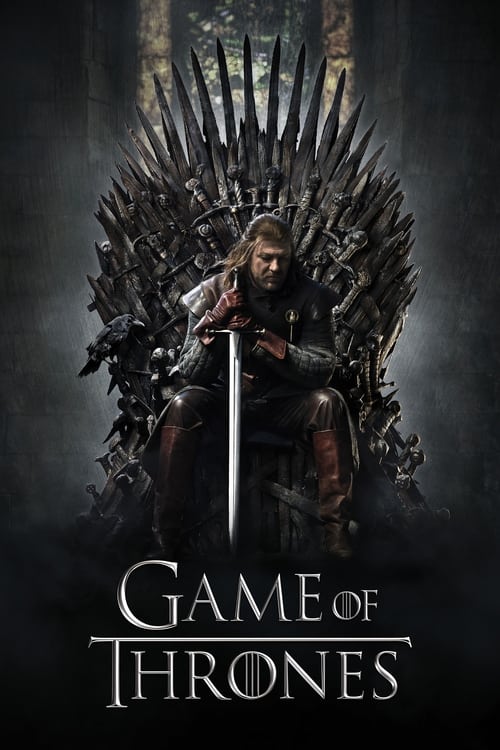
Game of Thrones, particularly the first six seasons, received critical acclaim, although the series's frequent use of nudity and violence were criticized. The series has an overall rating of 89% on Rotten Tomatoes and a score of 86 on Metacritic. Some critics and publications have called the show among the best HBO series of all time. James Poniewozik said the pilot episode set "a very large table", while Ti Singh of Den of Geek said the show "is here to stay".
Reviewers of the first season said the series had high production values, a fully realized world and compelling characters. According to Variety, "There may be no show more profitable to its network than 'Game of Thrones' is to HBO. Fully produced by the pay cabler and already a global phenomenon after only one season, the fantasy skein was a gamble that has paid off handsomely." The second season was also well received. Entertainment Weekly praised its "vivid, vital, and just plain fun" storytelling and, according to The Hollywood Reporter, the series made a "strong case for being one of TV's best series"; its seriousness made it the only drama comparable to Mad Men or Breaking Bad.
The critical response for the middle seasons were also positive. Matt Fowler of IGN said the series was "still quite marvelous" praising the character development. TV Guide named the third season's penultimate episode "The Rains of Castamere" as number three on their 65 Best Episodes of the 21st Century. The critical acclaim continued into season four, with Darren Franich of Entertainment Weekly calling the season " the height of the show's icon-generating powers". The Independent stated that the show deviated significantly from the novels however the "changes benefited the show and condensed the substantial source text admirably well". The critical response to season five was again positive, however, some commentators criticized the sexual assault in the "Unbowed, Unbent, Unbroken" episode. Season six also received favorable reviews. Time criticized the repetitive story lines early in the season, but its reviewer praised the "Battle of the Bastards" episode as "one of the show's very best". One reviewer also said there were "more woman-friendly" themes throughout the season, with another singling out Arya Stark's story arc.
Towards the final two seasons, due to lack of new material from the books, the series became less character-driven and more reliant on big twists and spectacle. These seasons, especially season eight, received more criticism. Season seven was praised for its action sequences and focused central characters, but received criticism for its pace and plot developments that were said to have "defied logic". Writing for Vox, Emily VanDerWerff cited the departure from the source material as a reason for the "circular storytelling". Critical reception for season eight was mixed. The Guardian said there was the "rushed business" of the plot which "failed to do justice to its characters or its actors". Writing for The Hollywood Reporter, Maureen Ryan condemned the season's reductive treatment of women, and "decisions set up and executed with little or no foresight or thoughtfulness", declaring the penultimate episode as "Game of Thrones at its worst". Fan reaction was mixed for the final season. A petition on Change.org started by some fans requested that the final season be remade with different writers. Casey Bloys, HBO's president of programming, said at a Television Critics Association event "the petition shows a lot of enthusiasm and passion for the show but it wasn't something we seriously considered". In 2023, Game of Thrones was included on The Guardian's list of worst TV endings of all time. Despite the criticism of the writing, the music and visual effects were praised.
The cast performances were praised throughout the show's run. Peter Dinklage's "charming, morally ambiguous, and self-aware" portrayal of Tyrion, which earned him Emmy and Golden Globe awards, was acclaimed. "In many ways, Game of Thrones belongs to Dinklage", wrote Mary McNamara of the Los Angeles Times before Tyrion became the series's central figure in season two. Several critics highlighted performances by actresses and children. Lena Headey's portrayal of the "riveting" Cersei Lannister also received praise. Maisie Williams was singled out as well and her season two work with veteran actor Charles Dance (Tywin Lannister). Stephen Dillane received positive reviews for his performance as Stannis Baratheon, especially in the fifth season, with one critic noting "Whether you like Stannis or not, you have to admit that Stephen Dillane delivered a monumental performance this season." The series was also praised for the portrayal of handicapped and disabled characters. One commentator stated that Tyrion Lannister is a "departure from the archetypal dwarf" often found in other fantasy stories like The Lord of the Rings.
Darren Franich of Entertainment Weekly gave the series a 'B' rating, saying that it was ultimately "okay". With both "transcendent moments" and "miserable phases", it was "beloved enough to be criticized by everyone for something". Franich described seasons three and four as "relentless", seasons six's ending having a "killer one-two punch", while seasons seven and eight were "indifferent". The New York Times gave the series a mixed review after the season three finale, criticizing the number of characters, their lack of complexity and a meandering plot. The show, however, appeared on many "best of" lists for the end of the 2010s. Alan Sepinwall, writing for Rolling Stone, placed the series on his "50 Best TV Shows of the 2010s" list, saying its "ability to most of the time keep all of its disparate threads feeling vital and tied to one another, remains a staggering achievement".
Despite its otherwise enthusiastic reception by critics, Game of Thrones has been criticized for the amount of female nudity, violence, and sexual violence it depicts, and for the manner in which it depicts these themes. George R. R. Martin responded that he felt obliged to be truthful about history and human nature, and that rape and sexual violence are common in war; and that omitting them from the narrative would have rung false and undermined one of his novels' themes, its historical realism. HBO said that they "fully support the vision and artistry of Dan and David's exceptional work and we feel this work speaks for itself". The show has reportedly been censored or banned for sexual or violent content in countries like China, India, Iran, Jordan, Singapore, Turkey, United Arab Emirates, and Vietnam.
The amount of sex and nudity in the series, especially in scenes incidental to the plot, was the focus of much of the criticism aimed at it in its first and second seasons. Stephen Dillane, who portrays Stannis Baratheon, likened the series's frequent explicit scenes to "German porn from the 1970s". The series's use of "sexposition", plot delivery accompanied by sex or nudity, was criticized as distracting. Saturday Night Live parodied this aspect of the adaptation in a sketch that portrayed a 13-year-old boy as a Game of Thrones consultant, whose main concern was showing as many breasts as possible.
The episode "The Bear and the Maiden Fair" in the third season featured the lengthy torture and eventual emasculation of Theon Greyjoy, which prompted criticism. New York magazine called the scene "torture porn". According to one commentator, although the series' violence tended to serve a narrative purpose, Theon's torture in the episode was excessive as well. One commentator noted that Greyjoy's emasculation was one of the few sexual assault scenes where a male was the victim. A scene in the fourth season's episode "Breaker of Chains", in which Jaime Lannister rapes his sister and lover Cersei in the tomb of their dead son, triggered a broad public discussion about the series' depiction of sexual violence against women. According to Dave Itzkoff of The New York Times, the scene caused outrage, in part because of comments by director Alex Graves that the scene became "consensual by the end". Game of Thrones has been criticized for adding scenes of rape that were not included in the novels, such as the rape of Craster's daughters by the mutinous members of the Night's Watch. Sonia Saraiya of The A.V. Club wrote that the series's choice to portray this sexual act, and a similar one between Daenerys Targaryen and Khal Drogo in the first season—both described as consensual in the source novels—as a rape appeared to be an act of "exploitation for shock value".
In the fifth season's episode "Unbowed, Unbent, Unbroken", Sansa Stark is raped by Ramsay Bolton. Most reviewers and publications found the scene gratuitous and artistically unnecessary. In response to the scene, pop culture website The Mary Sue announced that it would cease coverage of the series because of the repeated use of rape as a plot device, and US Senator Claire McCaskill said that she would no longer watch it. The episode was the lowest rated on Rotten Tomatoes until the season eight episode "The Bells". As the later seasons saw Daenerys, Sansa, and Cersei assume ruling positions, Alyssa Rosenberg of The Washington Post noted that the series could be seen as a "long-arc revenge fantasy about what happens when women who have been brutalized and raped gain power". Much of the criticism after the series finale was centered around the handling of the female character storylines. One commentator cited the male gaze as one of main sources of the "romanticized female rape" and general nudity throughout the series. Another commentator stated the use of both sex and violence helps perpetuate misogyny within the Game of Thrones universe. Sophie Turner, who portrayed Sansa Stark, has spoken about the long-term impact she believed filming the "heavy" scenes would have on her and revealed that she developed coping mechanisms to help her through filming.
The lighting, or lack of light, in darker scenes has been a recurring point of criticism since season six of the series. In 2016, Bustle's Caitlyn Callegari listed 31 examples of scenes where the lighting caused viewers problems ranging from not being able to tell a character's hair color to being unable to see what was going on. Some reviewers have noted this is part of a wider trend among shows that are made by people who have experience working primarily on films, suggesting they "haven't grasped the nuances (or lack thereof)" of television as a medium, especially the differences between watching a scene on a television screen versus watching it on the big screen in a movie theater.
In a 2017 interview, Robert McLachlan, a cinematographer working on the show, explained the lack of lighting as an artistic choice saying "we're trying to be as naturalistic as possible". The criticism reached a high point during "The Long Night", the third episode of season eight. Barely minutes into the episode, viewers took to social media sites such as Twitter to express their discontent over the fact that they were having severe difficulties watching the battle and trying to figure out what was going on.






.jpg?width=400)


.jpg?width=400)
.jpg?width=400)


