Frank Orth (February 21, 1880 – March 17, 1962) was an American actor. He is probably best remembered for his portrayal of Inspector Faraday in the 1951-1953 television series Boston Blackie.
Contents
Career
Orth was born in Philadelphia to a family that did not include professional entertainers. When he was 8 years old, he said that he wanted to be a "wandering minstrel". He attended Thaddeus Stevens School in Philadelphia.
By 1897, he was performing in vaudeville with his wife, Ann Codee, in an act called "Codee and Orth". In 1909, he expanded into song writing, with songs such as "The Phone Bell Rang" and "Meet Me on the Boardwalk, Dearie". Orth did not know how to read or write music notes, so he hummed his compositions while skilled music writers put them on paper.
His first contact with motion pictures was in 1928, when he was part of the first foreign-language shorts in sound produced by Warner Bros. He and his wife also appeared together in a series of two-reel comedies in the early 1930s. Orth's first major screen credit was in Prairie Thunder, a Dick Foran western, in 1937. From then on, he was often cast as bartenders, pharmacists, and grocery clerks.
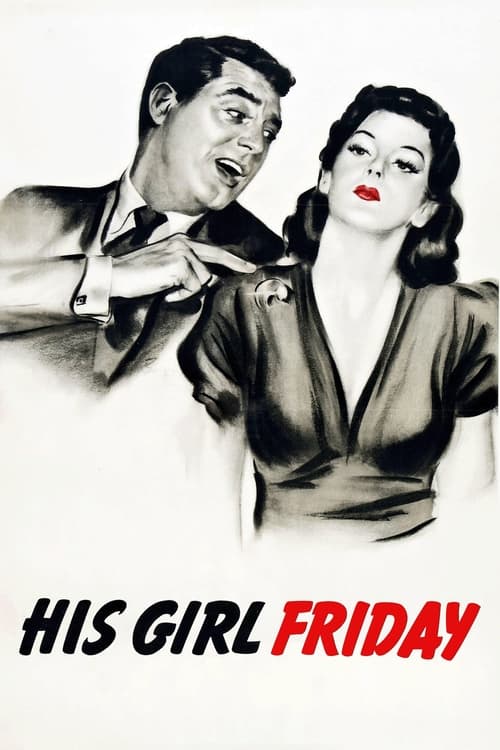
He had a recurring role in the Dr. Kildare series of films and also in the Nancy Drew series as the befuddled Officer Tweedy. Among his better roles were the newspaper man Cary Grant telephones early in His Girl Friday, one of the quartet singing "Gary Owen" in They Died with Their Boots On (thereby giving Errol Flynn as Gen. Custer the idea of associating the tune with the 7th Cavalry), and as the little man carrying the sign reading "The End Is Near" throughout Colonel Effingham's Raid. However, Orth is probably best remembered for his portrayal of Inspector Faraday in the 1951-1953 television series Boston Blackie. A short, plump, round-faced man, often smoking a cigar, Orth as Faraday wore his own dark-rimmed spectacles, though rarely in feature films.