Delegate to Congress
Norton was elected in 1990 as a Democratic delegate to the House of Representatives. She defeated city council member Betty Ann Kane in the primary despite the last-minute revelation that Norton and her husband, both lawyers, had failed to file D.C. income tax returns between 1982 and 1989. The Nortons paid over $80,000 in back taxes and fines. Her campaign manager was Donna Brazile. The delegate position was open because Del. Walter Fauntroy was running for mayor rather than seeking reelection. Norton received 39 percent of the vote in the Democratic primary election, and 59 percent of the vote in the general election. Norton took office on January 3, 1991, and has been reelected every two years since.
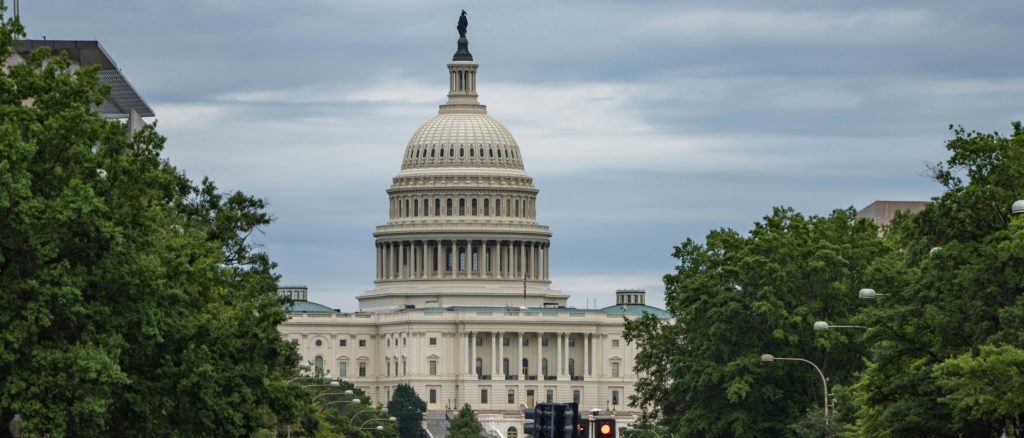
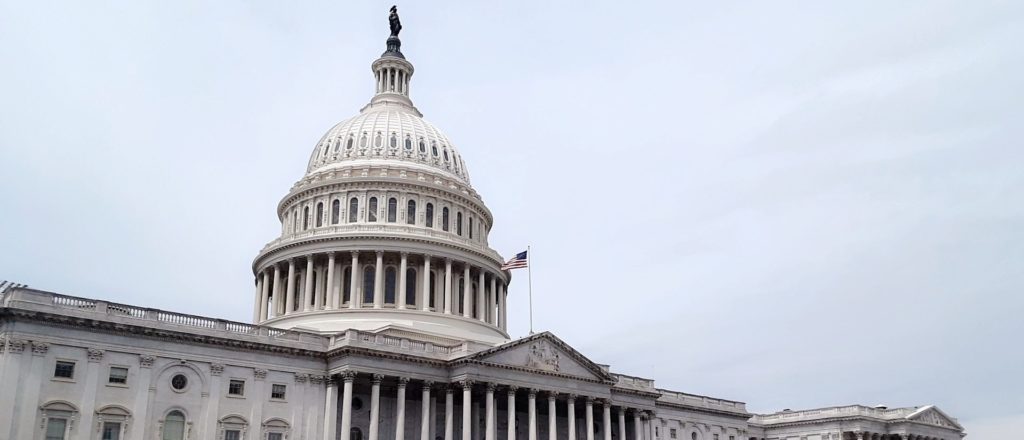
Delegates to Congress are entitled to sit in the House of Representatives and vote in committee, and to offer amendments in the Committee of the Whole, but are not allowed to take part in legislative floor votes. The district and four U.S. territories—Guam, American Samoa, the Northern Mariana Islands, and the U.S. Virgin Islands—send delegates to Congress; the Resident Commissioner of Puerto Rico has the same rights as delegates.
William Thomas and the White House Peace Vigil inspired Norton to introduce the Nuclear Disarmament and Economic Conversion Act, which would require the United States to disable and dismantle its nuclear weapons at such time as all other nations possessing nuclear weapons do likewise. Norton has been introducing a version of the bill since 1994.
Legislation strongly supported by Norton that would grant the District of Columbia a voting representative in the House, the District of Columbia House Voting Rights Act of 2009, was passed by the United States Senate on February 26, 2009. However, the legislation stalled in the House and failed to pass prior to the end of the 111th Congress.
The legislation proposed in 2009 did not grant Norton the right to vote in the 111th Congress, as she would have had to remain in her elected office of delegate for the duration of her two-year term.
In September 2010, the national press criticized Norton after the release of a voice message in which she solicited campaign funds from a lobbyist representing a project that she oversaw. Norton countered that the message was typical of appeals made by all members of Congress and that the call was made from campaign offices not paid for by taxpayers. In March 2012, the public radio series This American Life featured the voicemail message at the start of a program on lobbying titled "Take the Money and Run for Office".
In May 2012, Norton was blocked from testifying on an anti-abortion bill in her district—the second time she has been blocked from speaking about abortion. She insisted that it was a denial of a common courtesy. Representative Jerrold Nadler supported Norton's protest, saying "Never in my 20 years as a member of Congress have I seen a colleague treated so contemptuously."
In August 2014, after the D.C. Board of Elections voted to put a question about marijuana legalization on the ballot in November 2014, Norton vowed to defend against any congressional attempt to stop the district from voting on the issue and to, if approved, fight any attempt to prevent implementation.
She has been a member of the Congressional Progressive Caucus and the Congressional Black Caucus.
In June 2025, some colleagues and D.C. officials questioned Norton's ability to carry out her duties, citing a noticeable decline in her public activity and increased reliance on aides. Norton, the oldest member of the House, initially said she would seek a nineteenth term but later stated she was "still considering [her] options" for the 2026 election.
In late January 2026, Norton's campaign office announced that she will not seek re-election to the House of Representatives in 2026.