Leading roles on stage and screen
After peace returned, Gwenn's leading roles in the West End during the 1920s included Old Bill in Bruce Bairnsfather's Old Bill, M.P. (1922); Christian Veit in Lilac Time (1922–23); the title role in A. A. Milne's The Great Broxoff (1923); Leo Swinburne in Good Luck by Seymour Hicks and Ian Hay (1923); and Hippolyte Gallipot in Lehár's Frasquita (1925). Looking back at Gwenn's career, The Times considered, "Out of scores of other parts which he played in England and in America, the best remembered are probably Hornblower in Galsworthy's The Skin Game, the Viennese paterfamilias in Lilac Time and Samuel Pepys in Fagan's And So to Bed in 1926."
Gwenn began his film career in 1916, playing Macbeth in The Real Thing at Last, a satire of the American film industry written by Peter Pan playwright J. M. Barrie. A notable early role was a recreation of his stage character Hornblower in the 1921 Anglo-Dutch silent film of The Skin Game, which he reprised ten years later in Alfred Hitchcock's early sound version of The Skin Game. His debut in a talking picture was in an adaptation of Shaw's How He Lied to Her Husband, made at Elstree in 1931. Of Gwenn's many British film roles, The Times considered his best known to be Jess Oakroyd in The Good Companions with John Gielgud and Jessie Matthews (1933) and Radfern in Carol Reed's Laburnum Grove with Cedric Hardwicke (1936). His final British film role, as a capitalist trying to take over a family brewery in Cheer Boys Cheer (1939) is credited with being the first authentic Ealing comedy.
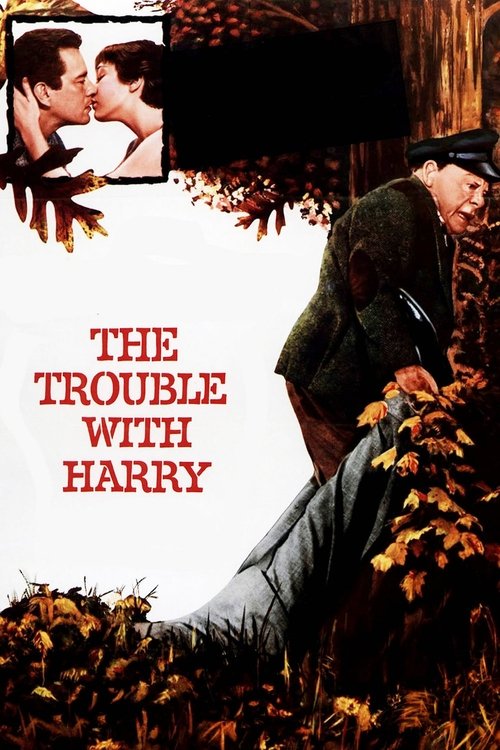
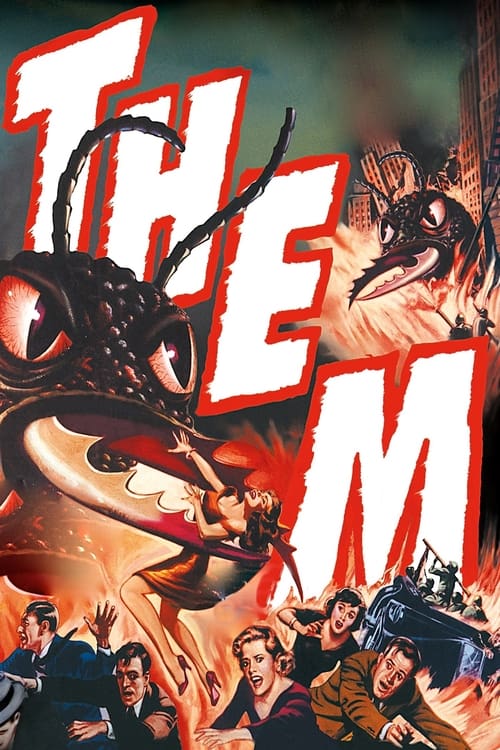
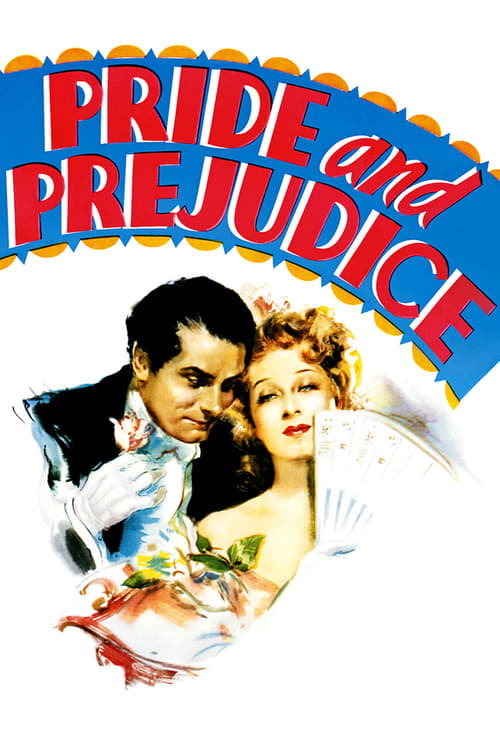
Gwenn appeared in more than eighty films, including Pride and Prejudice (1940), Cheers for Miss Bishop, Of Human Bondage and The Keys of the Kingdom. George Cukor's Sylvia Scarlett (1935) was his first appearance in a Hollywood film, as Katharine Hepburn's father. He settled in Hollywood in 1940 and became part of its British colony. He had a small role as a Cockney assassin in a Hitchcock film, Foreign Correspondent in 1940. For his Santa Claus role in Miracle on 34th Street he won an Academy Award for Best Supporting Actor. He received a second Oscar nomination for his role in Mister 880 (1950). Near the end of his career, he played one of the main roles in Them! (1954) and in Hitchcock's The Trouble with Harry (1955). His last film role was in the Spanish satire The Rocket from Calabuch (1956), directed by Luis García Berlanga.
On Broadway Gwenn starred in the acclaimed 1942 production of Chekhov's Three Sisters, starring Katharine Cornell (who was also the producer), Judith Anderson, and Ruth Gordon. Time proclaimed it, "a dream production by anybody's reckoning – the most glittering cast the theatre has seen, commercially, in this generation."