Critical reception
Before the film's release, estimations of Bergman were lowered by The Rite (1969) and The Touch (1971). In Sweden, Svenska Dagbladet critic Åke Janzon and Dagens Nyheter critic Hanserik Hjerten assessed Cries and Whispers as a poetically rendered psychological study. Critic O. Foss wrote a less-positive review in Fant, calling it "a rhapsody of petrified Bergman themes". The Swedish cultural magazine Ord och Bild considered the film as Bergman's personal view on women and argued that the film was both static and ahistorical.
The film was generally praised in the United States. In The New York Times, Vincent Canby called it a "magnificent, moving, and very mysterious new film". He included the film in his list of the 10 Best Films of 1972. Roger Ebert gave Cries and Whispers four stars (out of four) in his initial review: "We slip lower in our seats, feeling claustrophobia and sexual disquiet, realizing that we have been surrounded by the vision of a film maker who has absolute mastery of his art". and named it "the best film of 1973". Variety staff praised the direction for "a hypnotic impact". In New York, Judith Crist called it "a work of genius— certainly the most complex, the most perceptive and the most humane of Bergman's works to date". François Truffaut made a theatrical comparison, saying that the film "begins like Chekhov's Three Sisters and ends like The Cherry Orchard and in between it's more like Strindberg".
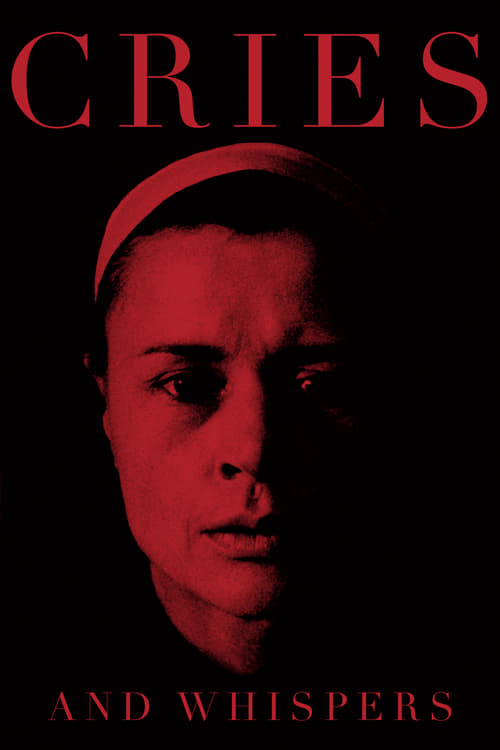
Empire critic David Parkinson gave Cries and Whispers five stars in 2000, writing that the film fit a subset of "character study" at which Bergman was adept. Reviewing the DVD in The New Yorker, Richard Brody said that despite its period setting, the emotional drama resonated with modern audiences. Ebert added it to his "Great Movies" list in 2002, writing that to watch the film "is to touch the extremes of human feeling. It is so personal, so penetrating of privacy, we almost want to look away". That year, James Berardinelli praised Andersson's performance as "so powerful that we feel like intruders watching it. She screams, whimpers, begs, and cries. She craves death and fears it". Berardinelli considered Bergman's use of crimson effective in creating mood; the "natural associations one makes with this color, especially in a story like this, are of sin and blood". Zendry Svärdkrona's 2003 Aftonbladet review called it a masterpiece with wonderful aesthetics but unpleasant subject matter, citing Nykvist and Andersson. Emanuel Levy praised the film's cinematography and the performances of the female leads, calling the result a masterpiece in 2008. Cries and Whispers ranked 154th in the British Film Institute's 2012 Sight & Sound critics' poll of the greatest films ever made. Leonard Maltin gave the film three stars in his 2014 Movie Guide, praising its visuals but cautioning viewers about the large amount of dialogue. Reviewing the Blu-ray in 2015, SF Gate critic Mick LaSalle called Cries and Whispers a "masterpiece" in which the colour red had an important effect. Los Angeles Times critic Andy Klein placed the film "solidly in the existential/emotional angst mode of [Bergman's] best work", called it a triumphant comeback from The Touch, and joked about the resurrection scene: "Yes, technically this is a zombie film". Peter Bradshaw of The Guardian gave the film five stars out of five writing "This film burns, like ice held to the skin."
Don Druker wrote a negative review in the Chicago Reader, criticising a lack of substance, and Time Out's review called the film a "red herring" compared to Bergman's purer psychological dramas.
On the review aggregator website Rotten Tomatoes, Cries and Whispers has an approval rating of 92% based on 36 reviews. The site's critical consensus reads: "Visually stunning and achingly performed, Ingmar Bergman's chamber piece is a visceral rumination on death and sisterhood."
The February 2020 issue of New York Magazine lists Cries and Whispers as among "The Best Movies That Lost Best Picture at the Oscars."

.jpg?width=400)