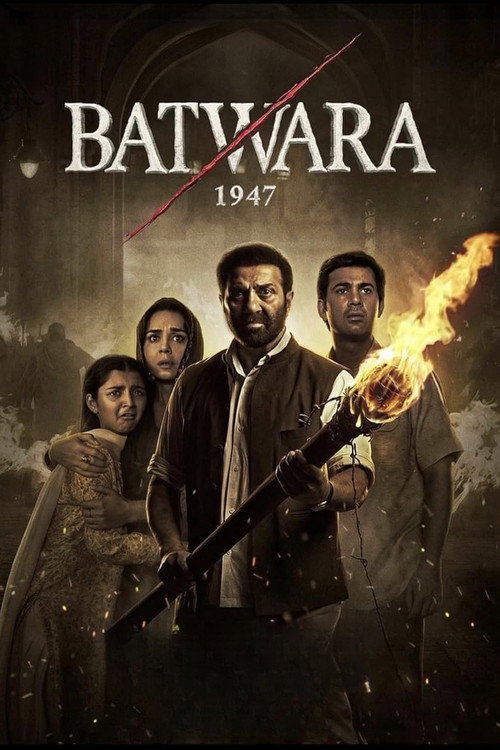
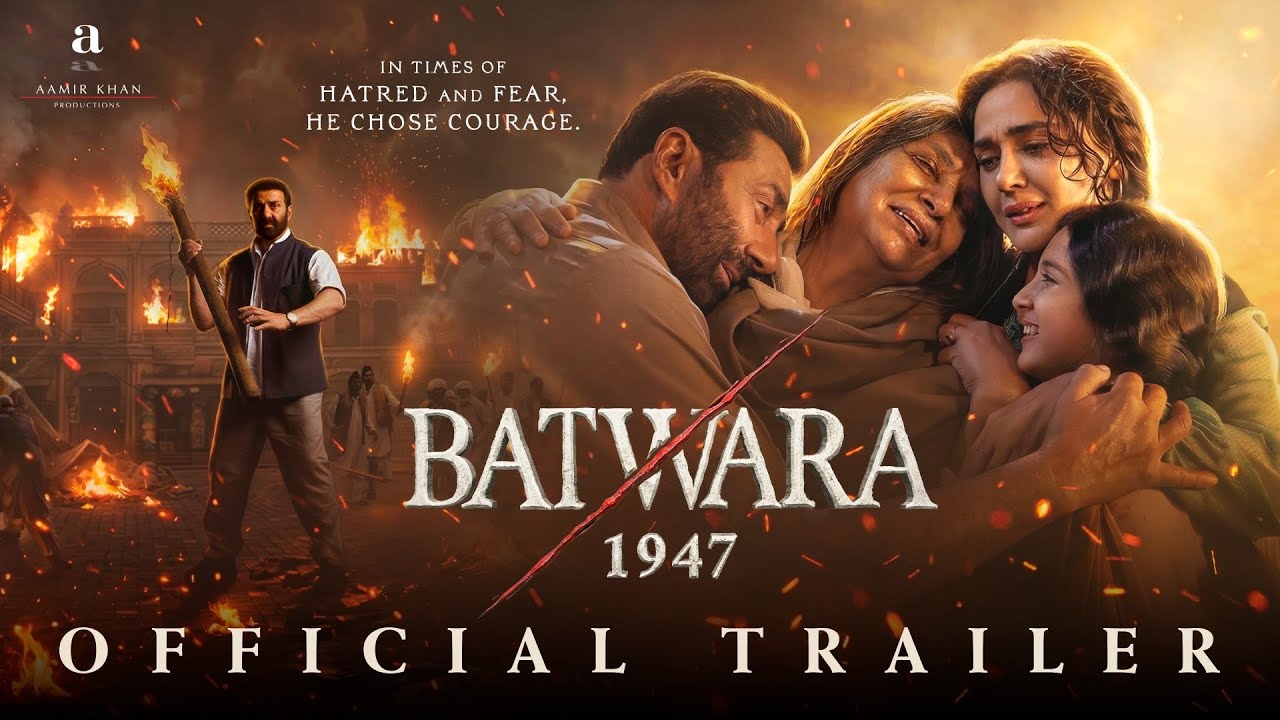
Critical response
On the review aggregator website Rotten Tomatoes, 60% of 15 critics' reviews are positive, with an average rating of 5.90/10.
Devesh Verma of Filmfare gave the film 4 out of 5 stars and wrote, "Deol and Santoshi have always brought out something special in each other, and their reunion after several years makes you wonder why they stayed apart for so long". Anuj Kumar of The Hindu stated, "The Sunny-Shabana symphony and the film’s core message remain deeply impactful. As for the bigger message, in 2001, Gadar changed the way popular Indian cinema approached the Partition; with Batwara 1947, Sunny flips that 25-year-old legacy on its head. Santoshi tunes his typical high-pitched directorial style to slow-burning, emotionally driven storytelling and, along the way, strips away Sunny’s post-Gadar screaming archetype to mould him as a vulnerable Muslim migrant".
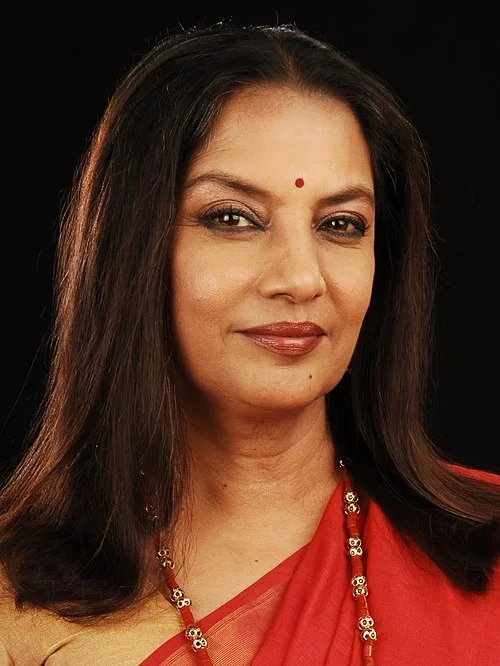
Rishabh Suri of Hindustan Times wrote, "Shabana Azmi is absolutely remarkable as Mai. There is a quiet heartbreak in her performance. Then there is Sunny Deol, who has been the face of patriotism in Indian cinema for decades. His scenes with Shabana are among the film’s most beautiful". Simran Singh of DNA rated the film 3.5 out of 5 stars, and stated, "Sunny will leave you astonished because here he has tried something different from the usual and passed with flying colours. Shabana Azmi makes you feel her pain, and like a part of your family".
Piya Roy of The Telegraph wrote, "The imagery of Batwara 1947 is poignant, powerful and intense, reminding audiences of the cruelty and immorality of religious bigotry and the beauty of unity, tolerance, mutual respect and peaceful coexistence." Saibal Chatterjee of NDTV gave the film 3 out of 5 stars and wrote, "Sunny Deol makes the most of the film's quieter moments and emotive scenes to add a kind of weight that is far more powerful than his fists of fury. Shabana Azmi delivers an absolute tour de force. She does in Batwara 1947 what Naseeruddin Shah did in Main Vaapas Aaunga".
Abhishek Srivastava of News18 awarded the film 3.5 out of 5 stars and wrote, "Batwara 1947 uses a deeply human story from Partition to deliver a powerful message against communal hatred. Sunny Deol and Shabana Azmi lead a moving drama that reminds us that humanity must come before religion. Sunny Deol brings the character the warmth and conviction it needs. Preity Zinta is convincing as Hamida, a wife willing to stand by her husband through difficult times. Shabana Azmi is excellent as Mai". Bollywood Hungama awarded the film 3 out of 5 stars and wrote, "Sunny Deol rocks the show. Watch out for him when he breaks down and also in the climax. It's sure to touch the viewers' hearts. Shabana Azmi comes next; her performance is so endearing that audiences will connect with her from the very first scene".
Zinia Bandyopadhyay of Firstpost awarded the film 3 out of 5 stars and stated, "Sunny Deol shoulders much of the film with the familiar screen presence that has made him so recognizable over the years. But this isn't the Sunny Deol of Gadar or Border, and audiences expecting an endless stream of roaring dialogues and larger-than-life action sequences may be surprised". Arfa Javaid of ABP News noted that "At its best, Batwara 1947 is a film with a beating heart", adding that the first half takes time to find momentum, but the second half "rights the ship", giving the film enough "heart and heft" to make it a decent, watchable outing. Regarding the performances, she opined, "Deol brings real heft to Mirza, and the character earns you over slowly, scene by scene. Shabana Azmi is a masterclass in presence."
Sana Farzeen of India Today rated the film 2.5 stars out of 5 and wrote "The irony is that Batwara 1947 is terrific as a text. Adapted from the play Jis Lahore Nai Vekhya, O Jamya E Nai, the writing has ideas, the conversations have weight, and the central metaphor is powerful. But cinema needs emotional texture, lived-in relationships and performances that make you believe in the people on screen. It has all the right things to say but doesn't know how to, and that makes this potentially moving story feel surprisingly cold." Deepa Gahlot of Rediff rated the film 2.5 stars out of 5 and stated "The dramatic moments underlined by old-style background songs make the film look even more dated. Coming so soon after Main Vaapas Aaunga, also a Partition era tale with a message of compassion, the flaws in Batwara 1947 are even more grating."
Dhaval Roy of The Times Of India rated the film 2.5 stars out of 5 and wrote "Though Batwara 1947 has its moments, its uneven treatment and overstretched narrative dilute the impact of its powerful message." Shubhra Gupta of The Indian Express rated the film 2 stars out of 5 and stated "The message is loud and clear: no religion is evil, only humans are; nafrat can be conquered through pyaar, siyasat se mazhab ko na milao; and above all, maanvata se bada koi dharam nahin. But they come as a listicle, instead of making you feel."