Reception and legacy
The language used during the film startled Chicago Mayor Richard J. Daley, and his police commissioner. As a result, the film was temporarily banned in the heavily Catholic city. Preminger filed a motion in federal court in Illinois and the mayor's decision was overturned. The film was allowed to be exhibited after the court determined that the clinical language during the trial was realistic and appropriate within the film's context. Variety claimed that the film contained words never before heard in American films with the Motion Picture Production Code seal such as "contraceptive", (sexual) "climax" and "spermatogenesis".
In another federal lawsuit in Chicago, the daughter of the real-life murder victim from the 1952 case sued Dell Publishing and Columbia Pictures in July 1960 for libel over accusations that the book and movie "followed [the actual trial] too closely" and portrayed the two women in an unflattering light; the suit was dismissed less than a year later in May 1961.
Anatomy of a Murder has been well received by members of the legal and educational professions. In 1989, the American Bar Association rated this as one of the 12 best trial films of all time. In addition to its plot and musical score, the article noted: "The film's real highlight is its ability to demonstrate how a legal defense is developed in a difficult case. How many trial films would dare spend so much time watching lawyers do what many lawyers do most (and enjoy least) – research?" The film has also been used as a teaching tool in law schools, as it encompasses (from the defense standpoint) all of the basic stages in the U.S. criminal justice system from client interview and arraignment through trial. The film was listed as No. 4 of 25 "Greatest Legal Movies" by the American Bar Association.
The film grossed an estimated $11 million generating $5.5 million in theatrical rentals in the U.S. and Canada. It earned rentals of $8 million worldwide.
Film critics have noted the moral ambiguity, where a small town lawyer triumphs by guile, stealth and trickery. The film is frank and direct. Language and sexual themes are explicit, at variance with the times (and other films) when it was produced. The black and white palette is seen as a complement to Michigan's harsh Upper Peninsula landscape. The film is "made in black-and-white but full of local color".
Bosley Crowther, film critic for The New York Times said, "After watching an endless succession of courtroom melodramas that have more or less transgressed the bounds of human reason and the rules of advocacy, it is cheering and fascinating to see one that hews magnificently to a line of dramatic but reasonable behavior and proper procedure in a court. Such a one is Anatomy of a Murder, which opened at the Criterion and the Plaza yesterday. It is the best courtroom melodrama this old judge has ever seen... . Outside of the fact that this drama gets a little tiring in spots—in its two hours and forty minutes, most of which is spent in court—it is well nigh flawless as a picture of an American court at work, of small-town American characters and of the average sordidness of crime."
Time felt that it was well-paced, well-acted, and that the explicit language was warranted within the film's context.
In June 2008, the American Film Institute revealed AFI's 10 Top 10, the best 10 films in 10 "classic" American film genres, after polling over 1,500 people from the creative community. Anatomy of a Murder was selected as the seventh best film in the courtroom drama genre.
The February 2020 issue of New York Magazine selected Anatomy of a Murder as among "The Best Movies That Lost Best Picture at the Oscars."
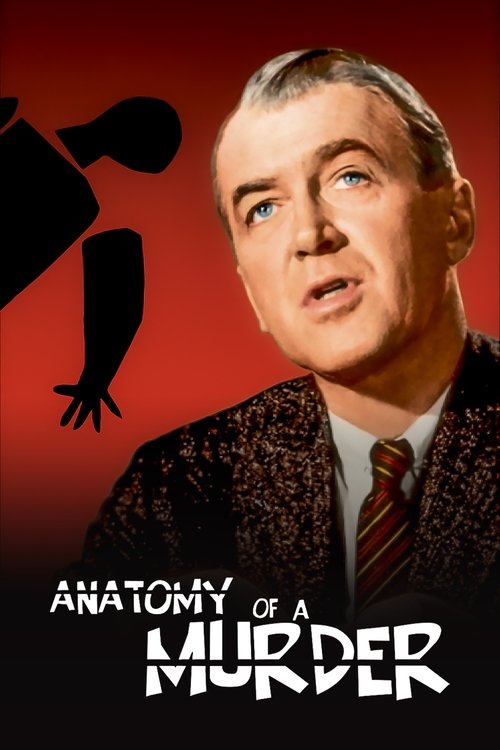
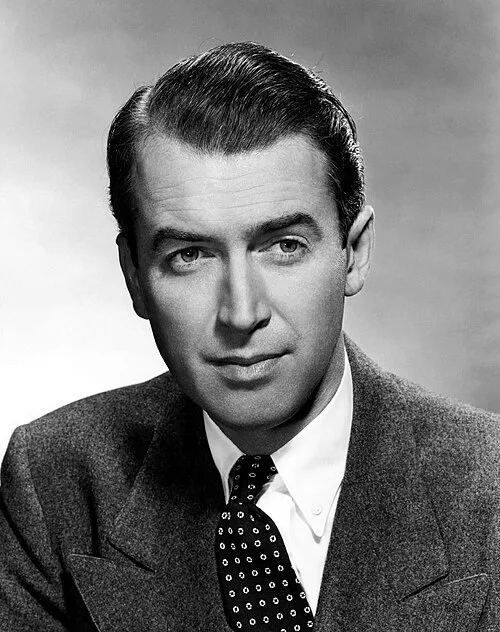
Rotten Tomatoes, a review aggregator, reports that 100% of 50 surveyed critics gave the film a positive review; the average rating was 8.70/10. The site's consensus states, "One of cinema's greatest courtroom dramas, Anatomy of a Murder is tense, thought-provoking, and brilliantly acted, with great performances from James Stewart and George C. Scott."














_-_08.png?width=400)